Q:When choosing a TMR mixer wagon, how do you determine if its mixing uniformity meets standards?
A:A preliminary "sensory test" can be done by sampling feed from different parts of the wagon to check for even distribution of long/short fibers and concentrate without clumps. A more professional method is the Penn State Particle Separator test, which evaluates if the material proportion on each sieve meets the standard.
Q:How does the automatic washing (CIP) system of a rotary milking parlor work?
A:After milking, the system automatically runs a preset program: first rinsing pipes with warm water, then circulating a hot alkaline detergent, followed by an acidic solution to neutralize and sanitize. This ensures all milk-contact surfaces are clean and sterile in a fully automated process.
Q:How often should tunnel ventilation fans in livestock housing be maintained?
A:It's recommended to monthly check blades for cleanliness/balance and belt tension; lubricate motor bearings quarterly; and conduct a full annual inspection of electrical connections and motor insulation. Increase cleaning frequency in high-dust environments to maintain optimal airflow and energy efficiency.
Q:When using a solid-liquid separator for pig manure, how can screen clogging be prevented?
A:The key is controlling feed consistency—avoid overly thick slurry or material with excessive long fibers. Pre-dilution and homogenization with a mixer can help. Some models have high-pressure backflush nozzles for periodic automatic screen cleaning. Always thoroughly rinse the equipment with clean water after shutdown.
Q:What is the core work of operators in an automated layer cage system?
A:The core tasks are monitoring and inspection: observing flock behavior, feed intake, and droppings multiple times daily; checking automated systems (feeding, egg collection, manure belts) for proper operation; promptly removing trapped birds or eggs; and recording key data like mortality, feed consumption, and egg production.
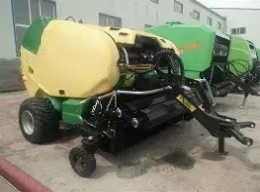
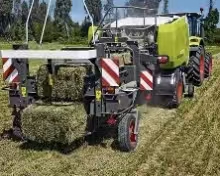
Q:What is the main difference between round balers and square balers?
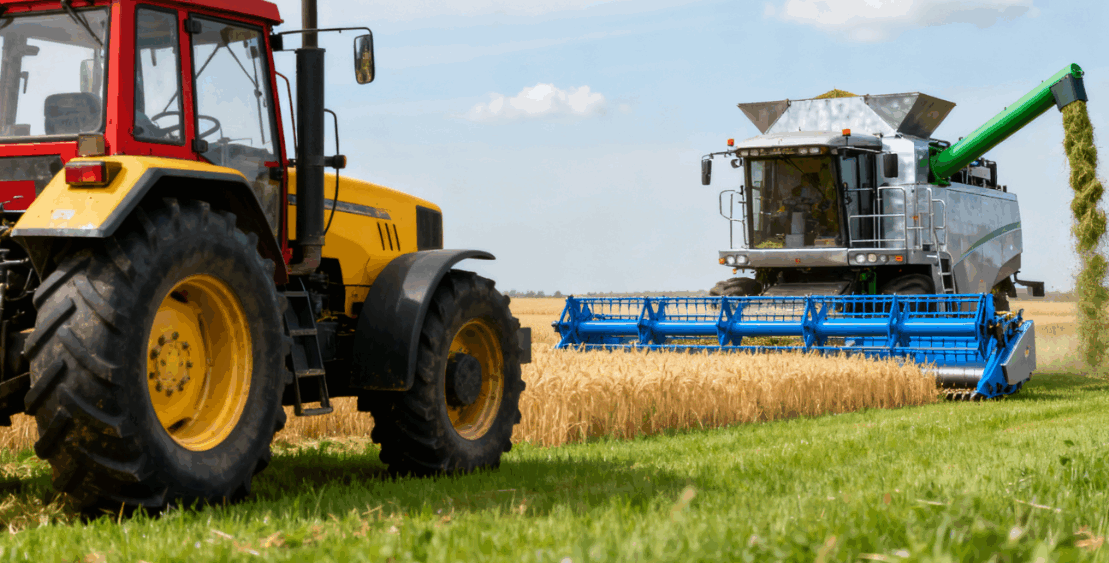
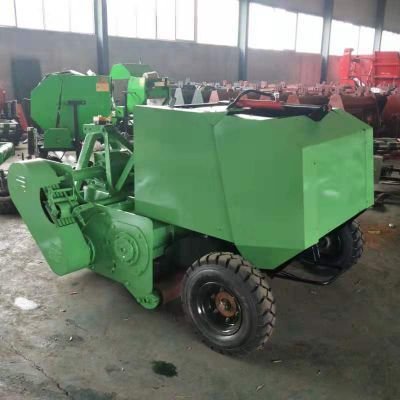
A:The key differences lie in bale shape and storage.Round balers produce cylindrical bales with a weather-resistant outer layer,suitable for outdoor storage.Square balers produce dense,uniform rectangular bales that optimize storage and transport space,ideal for commercial straw handling.
Q:How efficient are large round balers,and what is their fuel consumption?
A:Large round balers can cover 60-100 acres daily.Fuel consumption typically ranges from 1-2 liters of diesel per acre,depending on crop yield and density.Advanced hydraulic systems and knotter mechanisms help reduce energy use per unit of work.
Q:What horsepower tractor is needed for a medium square baler?
A:A medium square baler typically requires a 90-150 HP tractor.Sufficient Power Take-Off(PTO)horsepower and hydraulic output are crucial for reliable knotter operation and consistent bale density.
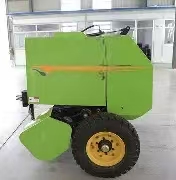
Q:Are small round balers suitable for hilly terrain or small fields?
A:Yes,very suitable.Compact with a small turning radius,they adapt well to hills.They require less traction power(a 70-100 HP tractor suffices)and have lower investment/operating costs,making them practical for small farms or scattered plots handling hay or straw.
Q:Can the bale density of a square baler be adjusted?How?
A:Yes.Density is primarily adjusted by controlling the pressure in the pre-chamber and main chamber via the hydraulic system.The operator can change pressure settings on the control panel or via adjustment valves.Higher density means heavier bales and better transport economics but requires greater tractor power.
 ALL CATEGORIES
 Global B2B Deals, One Click Away
 Connect, Trade, Grow Globally
 Jinan Fu Xiang Engineering Technology Co., Ltd.

 China
China
 Main products:
Machinery and industrial equipment.
Main products:
Machinery and industrial equipment.





 Post RFQ









 ALL CATEGORIES