Basic Info
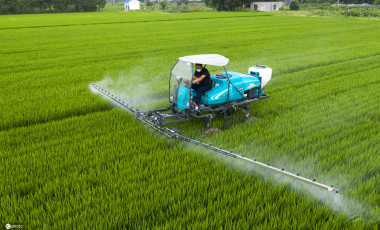
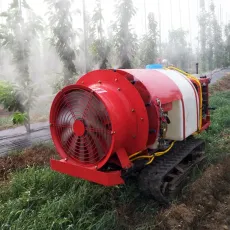
An efficient orchard spraying technology using special shrouds to envelop the tree canopy during spraying.Excess spray not deposited on trees is collected in recovery troughs,filtered,and pumped back to the tank for reuse,significantly saving chemicals and reducing environmental pollution.
Product Description
Product Features
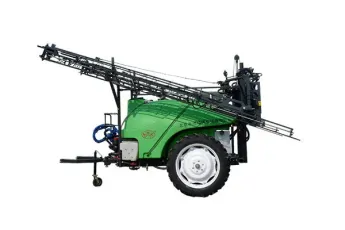
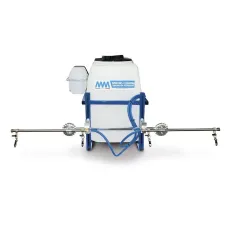
Key components are recovery shrouds(plastic or canvas)conforming to canopy shape and a liquid recovery system.Nozzles are inside the shroud for direct targeted spraying.Recovered liquid is filtered and reused.Dramatically reduces chemical loss to air and soil.
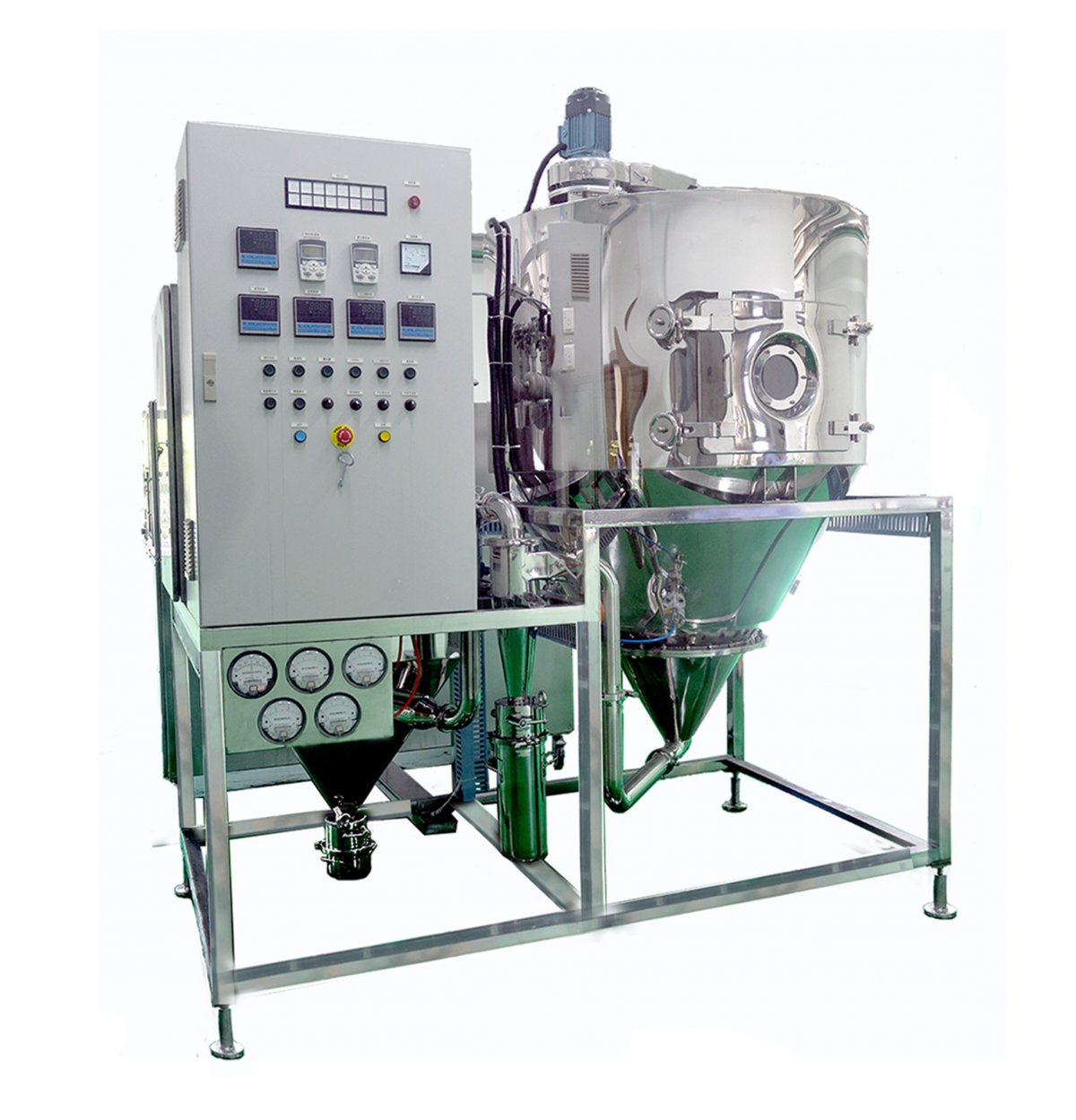
Product Specifications
Shroud dimensions often customized to tree spacing and shape.Recovery efficiency is a critical metric,affected by wind speed and shroud seal.Complex system with higher maintenance requirements.
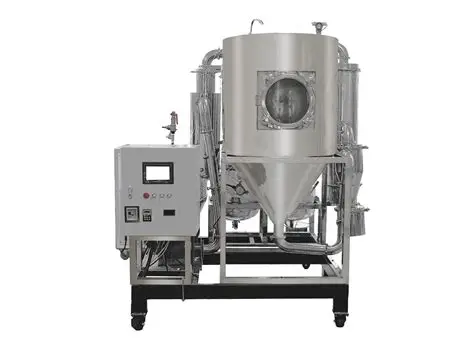
Product Application
Primarily for orchards with stringent requirements on pesticide residue and environmental protection,such as organic orchards,green food certified orchards,and orchards near water sources or residences.Particularly suitable for precise application in trellised orchards(apples,pears,kiwifruit).An important technology for future orchard plant protection towards precision and environmental sustainability.
Frequently Asked Questions (FAQ)
Q:How does the recycling sprayer achieve chemical recovery?
A:Special-shaped recovery shrouds are installed behind the spray boom. Spray mist not intercepted by the crop canopy condenses inside the shroud and is pumped back to the tank through a filtration system for reuse, significantly reducing waste.
Q:How much chemical can typically be saved by using a recycling sprayer?
A:Through efficient recovery, chemical utilization can be increased to over 90%. Compared to traditional spraying methods, it can achieve chemical savings of 30%-50% for row crops,significantly reducing application costs.
Q:Which crops is the recycling sprayer mainly used for?
A:Particularly suitable for vineyards, trellised orchards (apples, pears), shrub hedges, nurseries, and wide-row crops (e.g., sugarcane), enabling precise, targeted application between rows.
Q:Will the recovered chemical cause cross-contamination or affect efficacy?
A:The recovered liquid undergoes precision multi-layer filtration to remove impurities. The system design ensures rapid reflow and mixing, maintaining stable concentration without affecting subsequent application effectiveness.
Q:What role does the recycling sprayer play in reducing environmental pollution?
A:By drastically reducing chemical runoff into the soil and drift into the air, it effectively minimizes the risk of non-point source pollution and drift damage, representing an important technology for environmentally friendly crop protection.
Q:Is its operational efficiency lower than that of traditional sprayers?
A:While travel speed might be slightly slower, overall efficiency remains high due to less frequent refilling and the ability to treat multiple rows simultaneously. It is especially suitable for high-value cash crops requiring precise application.












 Post RFQ


 Chat
Chat


 ALL CATEGORIES