Basic Info
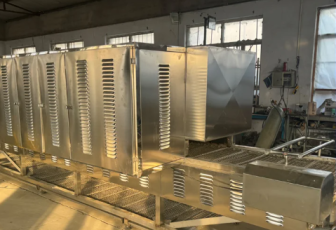
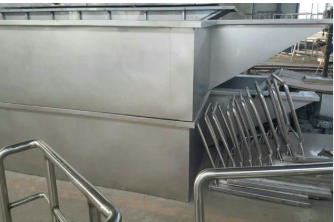
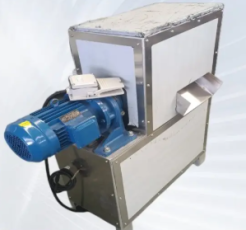
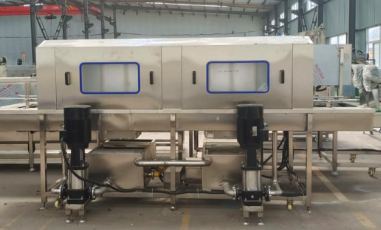
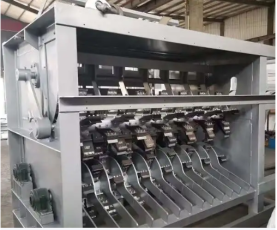
The CTW-500 is a professional automated washing machine designed for cleaning bovine omasum (commonly known as honeycomb tripe). By combining high-pressure warm water spray, physical brushing, and continuous conveying, it efficiently removes residual stomach contents, mucus, and odor from the intricate folds of the tripe. It enables high-volume, high-standard cleaning operations and is a key piece of equipment for enhancing the hygiene quality and processing efficiency of bovine by-products.
Product Description
Product Features:
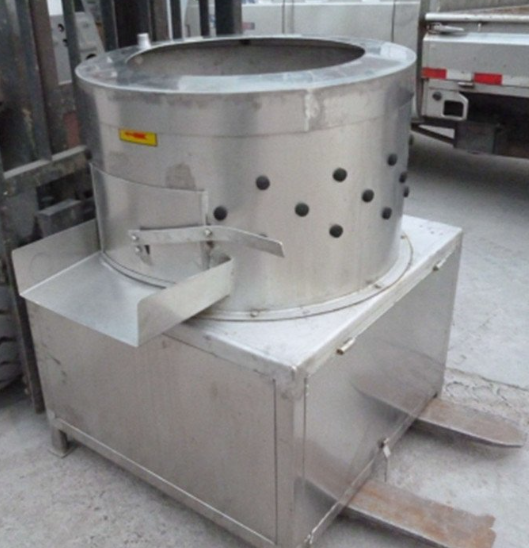
This machine is optimally designed for the unique structure of honeycomb tripe. Multiple sets of high-speed rotating spray bars direct high-pressure hot water deep into the numerous folds, flushing away most loose material. Following this, flexible nylon brush rollers use physical friction to effectively detach stubbornly adhered contaminants and some of the inner membrane. Gentle heated water aids in fat dissolution and deodorizing without cooking the tissue. A closed-loop water recirculation system with multi-stage filtration significantly conserves water while maintaining cleaning efficacy. All-stainless steel construction with seamless welding ensures hygiene with no dead spots, allowing for thorough cleaning and disinfection. PLC program control standardizes the washing process for consistent quality.
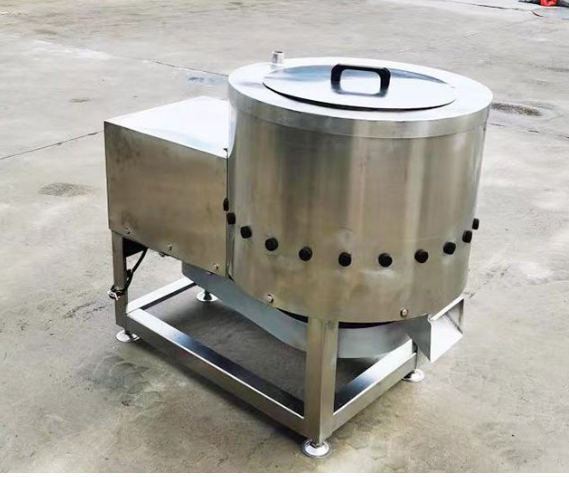
Product Specifications:
The machine's tunnel length is typically 4-6 meters, with a processing capacity of 500-1000 kg/hour. Operating water temperature can be precisely set according to process requirements. Conveyor belt speed is infinitely variable to control washing time. It is equipped with an optional automatic chemical dosing pump for adding food-grade detergents or neutralizers. The machine includes drain valves and access panels for easy maintenance. The compact design complies with food processing equipment hygiene regulations.
Product Application:
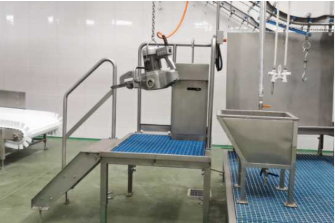
This machine is located in the bovine by-products processing area. Tripe that has been initially trimmed, opened, and freed of large content chunks is evenly spread on the infeed conveyor belt. The tripe moves slowly through the washing tunnel, sequentially undergoing powerful pre-rinsing, brush scrubbing, and clean water rinsing stages. The washed tripe becomes clean with a natural color, meeting the raw material hygiene standards for subsequent processes like blanching, cooling, cutting, packaging, or further processing (e.g., stewing). By transforming traditional labor-intensive manual washing into an efficient, controllable industrial process, this equipment greatly improves product consistency and processing capacity, making it essential for modern beef processing plants aiming for high-value by-product utilization.
Frequently Asked Questions (FAQ)
Q:What are the cleaning advantages compared to traditional manual washing?
A:Mechanical washing, using high-pressure water and physical brush action, penetrates deep into the tripe folds for more thorough cleaning. It increases efficiency by 5-10 times and ensures consistent hygiene standards, eliminating human variance.
Q:Why is the operating water temperature controlled between 35-45°C?
A:This warm water range effectively softens fat, dissolves some mucus aiding in decontamination and deodorizing, without cooking the protein. This preserves the optimal raw material quality, preventing texture hardening and discoloration.
Q:Is the water consumption high? Are there water-saving features?
A:The machine includes a three-stage filtered water recirculation system. Most wash water is recycled and reused, saving up to 70% compared to direct-flow washing, significantly reducing operational costs.
Q:Do the nylon brush bristles wear out easily? Are they easy to replace?
A:The bristles are made from wear-resistant, food-grade material with a long service life. The brush rollers have a modular design, allowing individual bristle blocks to be replaced quickly and independently without dismantling the entire shaft.
Q:Can it process other offal, like beef rumen (reticulum)?
A:This model is specifically designed for the fine folds of the omasum. For structurally different offal like the rumen (honeycomb tripe), we recommend a separate drum-type heavy-duty washer with a more suitable cleaning principle.
Q:Does operating the machine require special training?
A:Operation is simple. The fully automatic PLC control system has an intuitive touchscreen interface. Standard training of half a day is sufficient to master daily operation, parameter setting, and basic troubleshooting.









 Post RFQ


 Chat
Chat




 ALL CATEGORIES