Basic Info
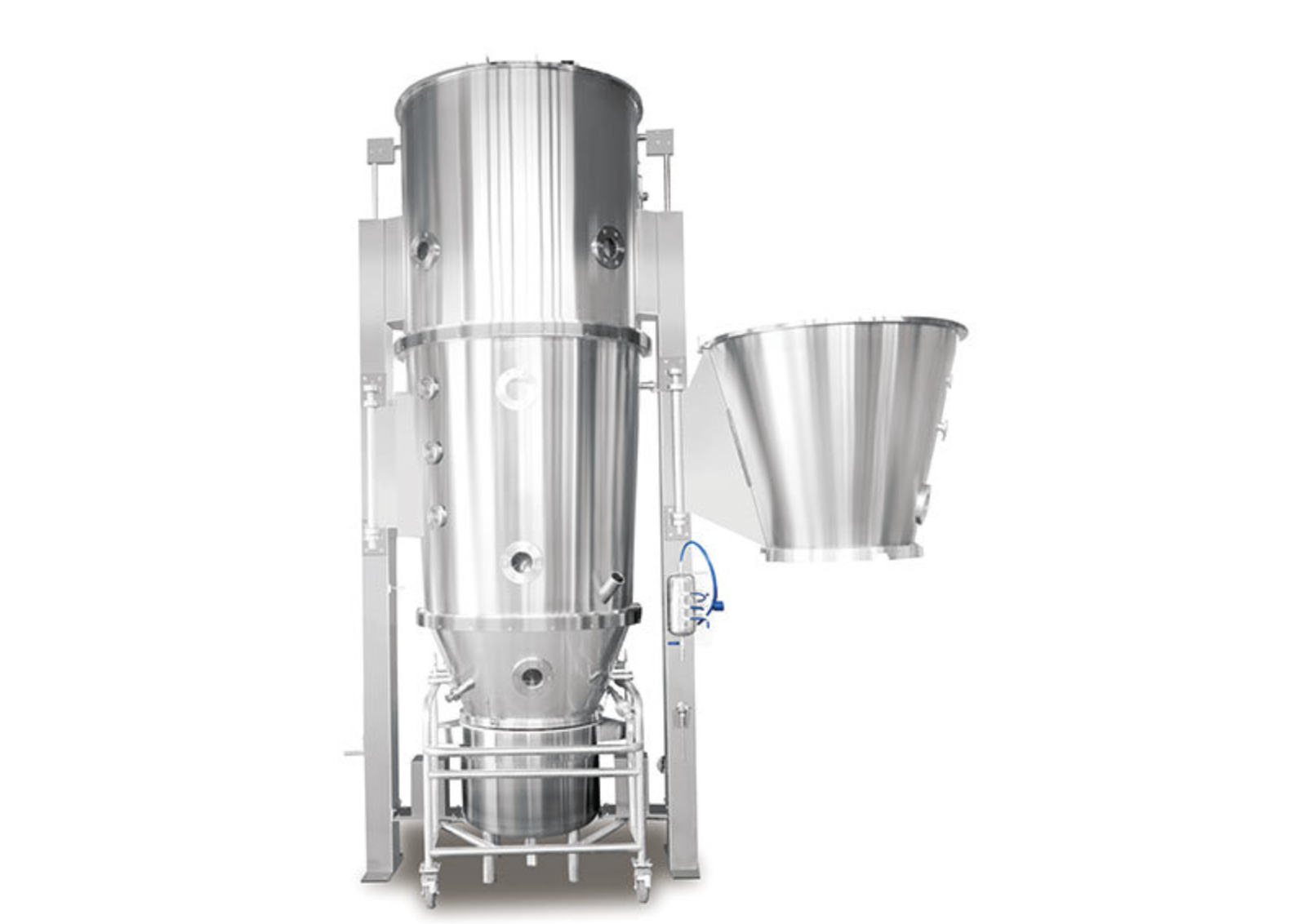
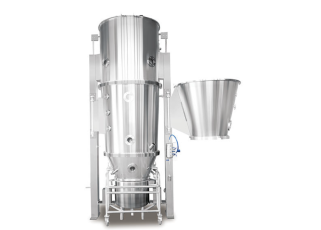
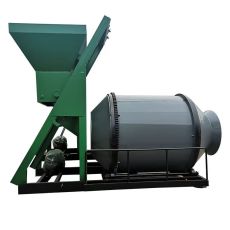
A device that rapidly cools fertilizer granules by fluidizing them with airflow. It is mainly used to cool high-temperature fertilizers after granulation to prevent caking and ensure storage stability, and is a core post-processing device for compound fertilizer production lines.
Product Description
Product Features:
High cooling efficiency (cooling energy consumption ≤5kW·h per ton of material), cooling rate ≥10°C/min; uniform fluidization that minimizes local overheating and caking; negative pressure operation, dust emission concentration ≤30mg/m³; temperature interlock control automatically adjusts air volume to match material temperature; can integrate drying function (drying + cooling integrated machine).
Product Specifications:
Typical model (ZLG-7.5×1.2): Annual processing capacity 80,000t (≈10t/h), inlet air temperature ≤45°C, outlet material temperature ≤40°C, vibration power 11kW, fan power 18.5kW, dimension 7.5×1.2×2.8m; customizable processing capacity (max. 80t/h) and stainless steel material.
Product Applications:
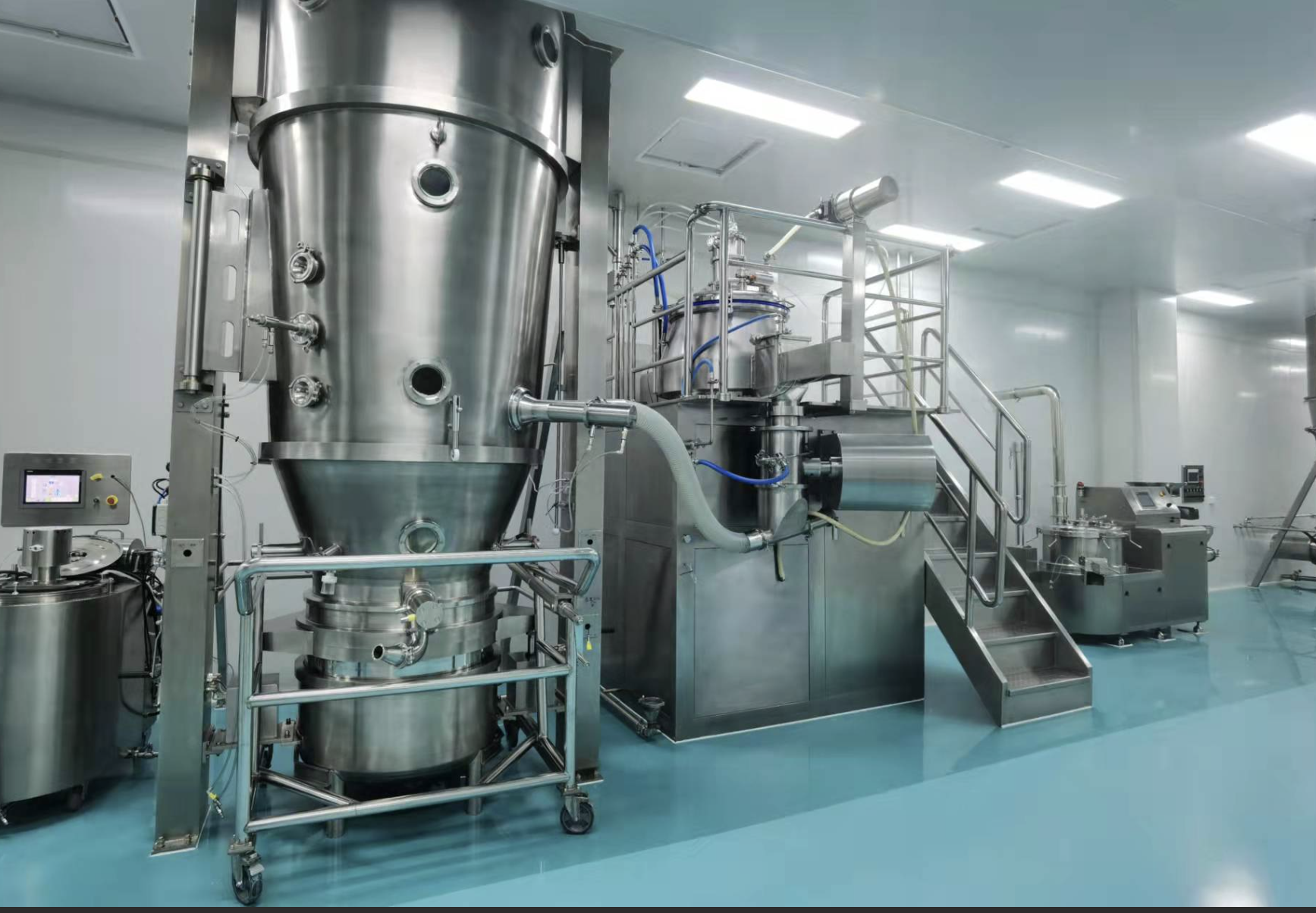
Used for cooling compound fertilizers after granulation; cooling urea and monoammonium phosphate crystals; temperature control of slow-release fertilizers before coating; compatible with post-processing of granules in large fertilizer plants and BB fertilizer blending stations, and can also be used for drying and cooling organic fertilizer granules.
Frequently Asked Questions (FAQ)
Q:What is the core principle of the fluidized bed cooler?
A:The cooler uses airflow to make fertilizer granules in a fluidized state, so that the granules are fully contacted with the cooling air, and the heat exchange is rapid and uniform, so as to achieve the purpose of cooling the granules.
Q:What is the cooling effect of the cooler on compound fertilizer granules?
A:The cooler can reduce the temperature of high-temperature granules after granulation from 80–100℃ to below 40℃ (close to room temperature) in a short time, and the caking rate of compound fertilizer is reduced to below 0.5%.
Q:Can the cooler be integrated with a drying function?
A:Yes. The integrated drying and cooling machine can realize two processes of drying and cooling in one equipment, which saves the floor space of the production line and reduces the equipment investment cost.
Q:How to control the dust emission of the cooler?
A:The cooler adopts negative pressure operation, and the tail gas is discharged after being filtered by the baghouse dust collector, with the dust emission concentration ≤30mg/m³, which meets the national environmental protection standards.
Q:What factors affect the cooling efficiency of the cooler?
A:The main influencing factors include air volume, air temperature, bed height, and material particle size. The PLC control system can automatically adjust the air volume according to the material temperature to ensure the cooling effect.
Q:Is the cooler suitable for cooling high-salt fertilizers?
A:Yes. The contact parts of the cooler can be made of 304 stainless steel, which has good corrosion resistance and can adapt to the cooling of high-salt fertilizers such as ammonium chloride and potassium sulfate.












 Post RFQ


 Chat
Chat


 ALL CATEGORIES