Basic Info
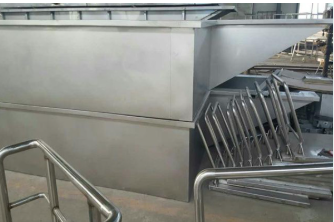
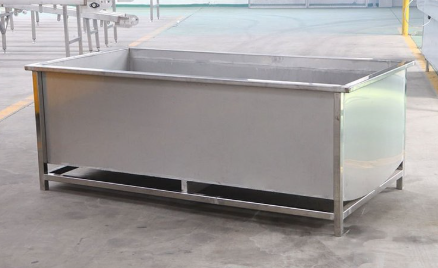
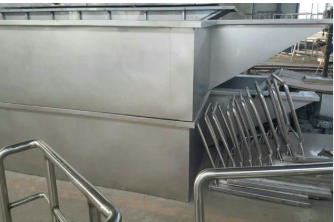
The MRS-2000 is a sanitary-grade, multi-purpose cleaning sink specifically designed for slaughterhouse use. It is used for washing edible offal (e.g., heart, liver, tripe, intestines), small cut meat pieces, tools, utensils, and for operator handwashing. Its all-stainless construction, logical zoning, and sanitary design aim to prevent cross-contamination and meet HACCP system requirements for equipment sanitation and specific product handling.
Product Description
Product Features:
The core principles of this sink are versatility, cross-contamination prevention, and ease of cleaning. Monolithic or seamlessly welded stainless steel ensures smooth, crevice-free interior and exterior surfaces that resist corrosion and withstand frequent cleaning and sanitizing. Clearly defined functional zones (e.g., dirty/clean separation) or a dual-compartment design create physical separation to avoid cross-contact between clean and soiled items, and between clean and dirty water—a key food safety principle. The mixing faucet and high-pressure spray gun connection provide versatile cleaning options from gentle rinsing to powerful jetting. Integrated accessories like the cutting board and draining basket allow for offal trimming and product staging directly at the sink, streamlining workflow. The integrated handwashing facility encourages and facilitates frequent operator hand hygiene.
Product Specifications:
Standard basin capacity ranges from 300 to 1000 liters. Drain outlet diameter is typically no less than 80mm to ensure rapid drainage of debris-laden water without clogging. Water supply connections are 1/2” or 3/4”. The basin rim is usually designed with a drip-proof lip to prevent water runoff onto the floor. The height of floor-standing models is typically 850-900mm for ergonomic operation. An optional steam heating coil can be installed in the base to maintain water temperature for soaking/disinfection. All accessories feature removable, easy-to-clean designs.
Product Application:
This equipment has multiple points and purposes within a slaughter facility. In the offal room, it's used for rinsing and trimming freshly harvested stomachs (tripe), intestines, hearts, lungs, and livers to remove contents and blood. In the cutting room, it rinses meat trimmings, bone chips, or cleans tools and knives. As a handwash station, it's installed near critical process points for operators to clean hands between tasks or after contamination. Its application strictly follows SSOP clauses regarding "separation of clean and dirty areas," "utensil cleaning and sanitizing procedures," and "personnel hygiene practices." A well-designed and properly used sink is fundamental infrastructure in any slaughterhouse or meat plant for maintaining daily sanitation control, preventing microbial contamination, and ensuring product safety.
Frequently Asked Questions (FAQ)
Q:How fast is the drainage? Does it clog easily?
A:It features a large central drainpipe (≥80mm) and perimeter drainage channels on the tabletop for rapid drainage. A standard lift-out strainer basket easily traps solid debris, preventing pipe blockages.
Q:Can it be used for soaking and disinfecting offal? How is temperature maintained?
A:Yes. The sink can designate a specific soaking zone. We offer optional steam coils or electric heating elements to maintain a constant temperature for the disinfecting hot water, ensuring effectiveness.
Q:What material are the attached cutting board and draining basket made of?
A:The removable cutting board is made of high-density polyethylene (HDPE), which is cut-resistant and easy to clean. The draining basket is made of woven 304 stainless steel wire, making it sturdy and sanitary. All accessories are removable for thorough cleaning.
Q:Does installation require special floor preparation?
A:Floor-standing models come with adjustable leveling feet to accommodate slightly uneven floors. It is recommended that the installation area has a waterproof floor finish and a floor drain to ensure proper surrounding drainage.
Q:How should it be cleaned and maintained after daily use?
A:At the end of each workday, rinse the interior and exterior with hot water and clean the strainer basket. Use a food-grade descaling agent periodically to remove limescale. Check the drain plug seal regularly to ensure no leaks.
Q:Are there sinks with larger capacities or custom configurations beyond the standard model?
A:Yes. In addition to the standard MRS-2000, we offer various sizes with capacities ranging from 500 liters to over 2000 liters. We can also customize special configurations such as L-shaped sinks, models with extended work surfaces, or units integrated with dedicated blood-draining troughs based on your workshop layout.









 Post RFQ


 Chat
Chat




 ALL CATEGORIES