Basic Info
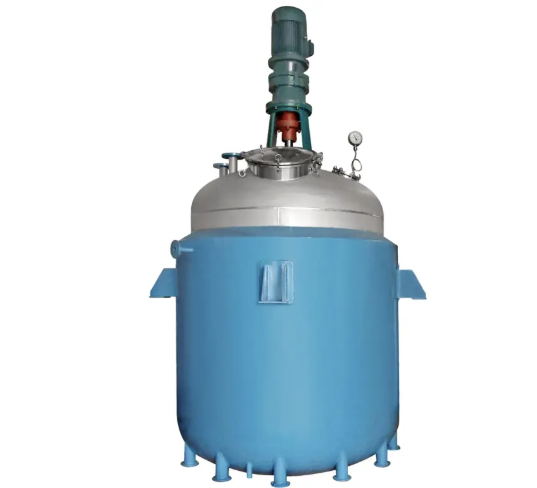
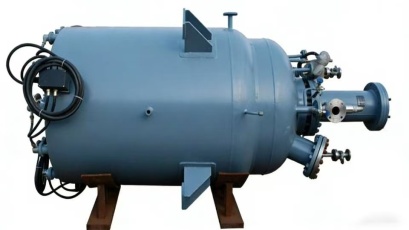
A core device for chemical fertilizer synthesis (e.g., urea, monoammonium phosphate), it enables chemical reactions in high-temperature and high-pressure environments to convert raw materials into fertilizer intermediates. It is compatible with large-scale fertilizer production lines and is essential for chemically synthesized fertilizers.
Product Description
Product Features:
Excellent corrosion resistance, suitable for acidic/alkaline media in fertilizer production; high mixing uniformity (mixing deviation ≤2%) to ensure sufficient reactions; precise interlocked control of temperature and pressure to avoid side reactions; supports continuous/batch production with customizable explosion-proof structures; polished inner walls reduce material residue, complying with chemical equipment safety standards.
Product Specifications:
Typical model (5000L): Working pressure 2.5MPa, temperature 200°C, agitation power 15kW, dimension 6.2×2.8×3.5m, weight ~12t; customizable volume (max. 50000L), material (Hastelloy for strong corrosion conditions), and supporting heat exchange systems.
Product Applications:
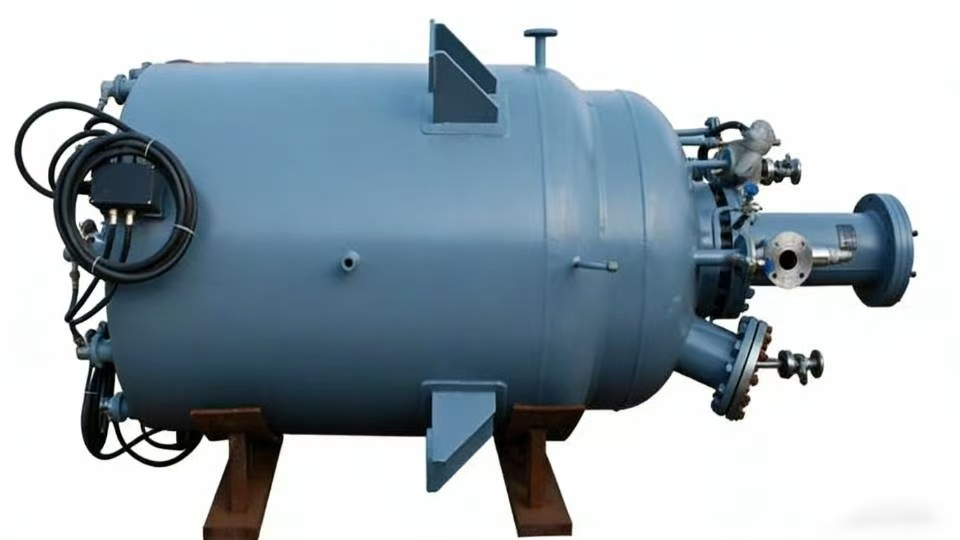
Used in urea synthesis, ammonium phosphate neutralization reactions, and chelation processes for compound fertilizers; compatible with NPK compound fertilizer and slow-release fertilizer production lines; also applicable to humic acid activation reactions in organic fertilizers; widely used in large fertilizer plants and chemical intermediate manufacturers.
Frequently Asked Questions (FAQ)
Q:How to ensure the sealing performance of the reactor during operation?
A:The reactor adopts mechanical seal or magnetic seal technology. The sealing surface is precision polished, and it is equipped with temperature and pressure interlock protection. When abnormal pressure occurs, the system will automatically alarm and shut down to avoid leakage.
Q:Can the reactor be customized for continuous or batch production?
A:Yes. The reactor supports both continuous and batch production modes. The PLC control system can be programmed to adjust the reaction time, temperature, and stirring speed according to different production processes.
Q:What is the service life of the 316L stainless steel reactor?
A:Under normal maintenance and operation conditions, the service life of the 316L stainless steel reactor is 8–12 years. The enamel reactor has a service life of 5–8 years, and the Hastelloy reactor can reach 15 years due to its strong corrosion resistance.
Q:Is the reactor equipped with explosion-proof functions?
A:Yes. The reactor can be customized with an explosion-proof structure, including explosion-proof motors, flame arresters, and pressure relief valves, which meet the explosion-proof standards of chemical plants and are suitable for flammable and explosive reaction environments.
Q:Is the reactor equipped with explosion-proof functions?
A:Yes. The reactor can be customized with an explosion-proof structure, including explosion-proof motors, flame arresters, and pressure relief valves, which meet the explosion-proof standards of chemical plants and are suitable for flammable and explosive reaction environments.
Q:How to clean the reactor after production?
A:The reactor has a polished inner wall to reduce material residue. After production, you can use high-pressure water cleaning or chemical cleaning agents (compatible with the reactor material) for cleaning. The system is equipped with a cleaning port and a discharge port for convenient operation.











 Post RFQ


 Chat
Chat


 ALL CATEGORIES