Basic Info
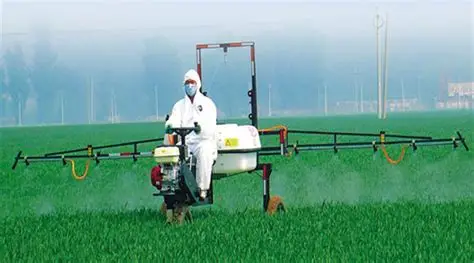
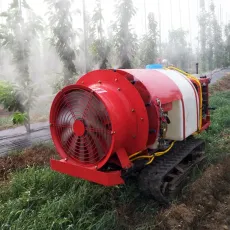
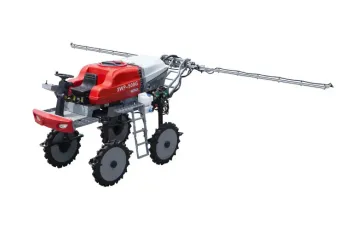
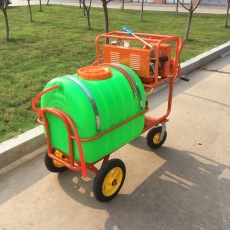
A small self-propelled sprayer controlled by an operator walking behind it. It has its own engine and tank, requiring less effort than push types and being more flexible and affordable than Ride-on machines. Suitable for small to medium-sized, complex terrain.
Product Description
Product Features
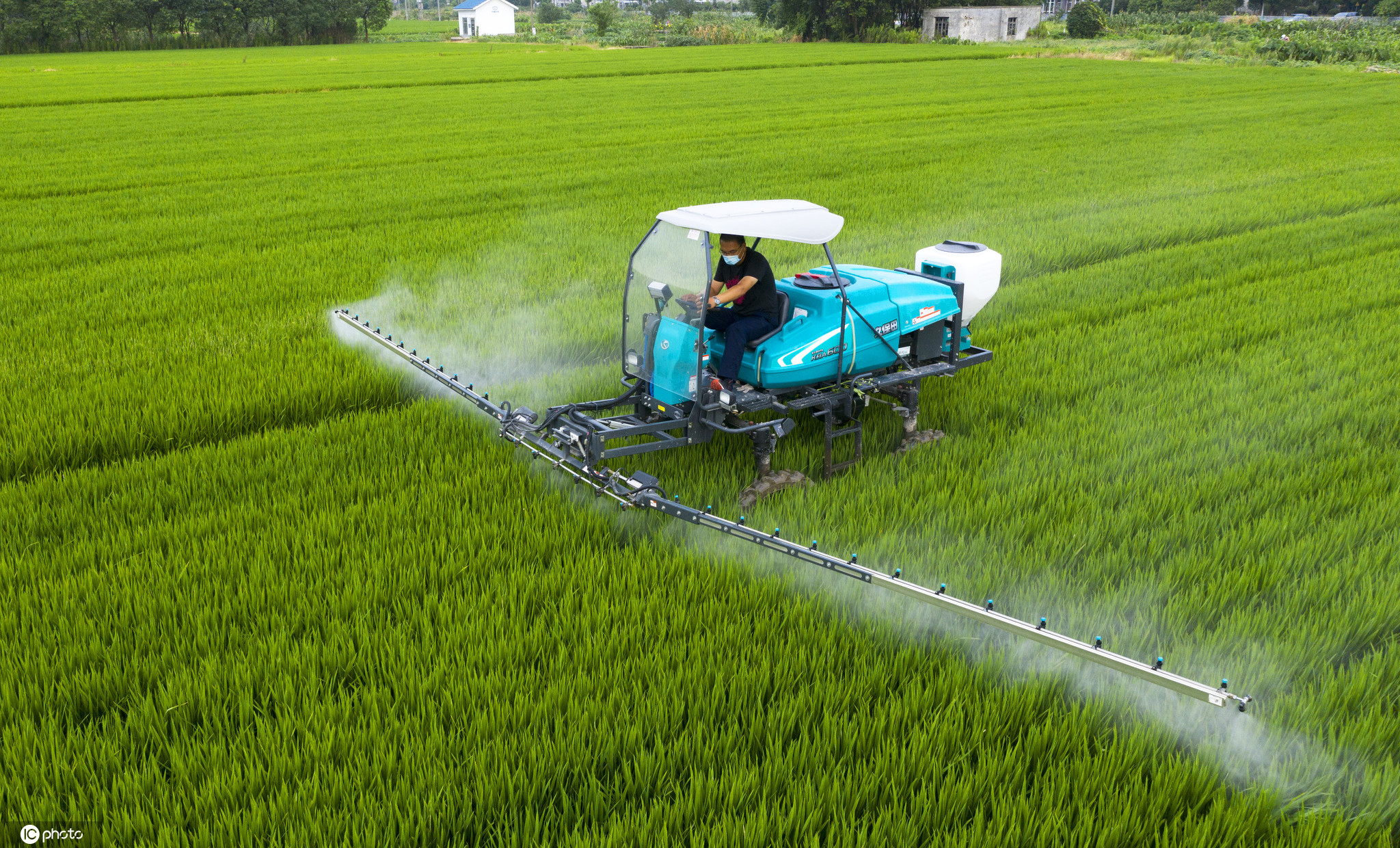
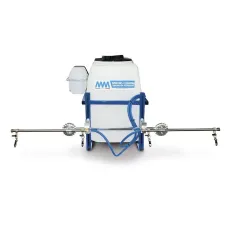
Compact structure,small turning radius.Engine drives the wheels and liquid pump.Operator controls direction,throttle,and clutch via handles.Can be equipped with a short boom for band spraying or a spray gun for targeted application.Some models have 4WD versions for better traction.
Product Specifications
Typically 2-3 forward gears and 1 reverse.High ground clearance.Can be fitted with pneumatic tires or specialized narrow tires for tea gardens.
Product Application
Suitable for areas where tractors have difficulty accessing,such as tea plantations,gentle slope orchards,terraces,nurseries,and small旱田.Also common in vegetable bases and flower farms.More efficient than backpack sprayers and more adaptable than large machinery,serving as an important transitional model in hilly and mountainous areas.
Frequently Asked Questions (FAQ)
Q:What are the primary application scenarios for the walk-behind self-propelled sprayer?
A:Specifically designed for small to medium plots, orchard rows, hilly terraces, and paddy-upland rotation fields. Its compact and agile size allows it to easily pass through narrow field ridges and tree rows, adapting to complex terrain.
Q:Is the steering and operation of the walk-behind self-propelled sprayer flexible and labor-saving?
A:It features a power-assisted steering system and ergonomically designed control handles. With a small turning radius, operation is lightweight , significantly reducing operator fatigue when working on rugged terrain.
Q:What is the anti-sinking capability of the walk-behind self-propelled sprayer in wet, slippery fields?
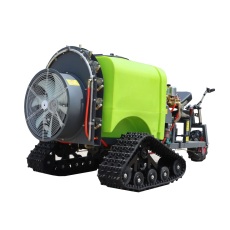
A:Optional high-lug paddy wheels or a rubber track undercarriage are available, providing strong adhesion and flotation. This ensures good anti-sinking and passability in paddy fields or wet, soft ground.
Q:What is the power and endurance of the walk-behind self-propelled sprayer like?
A:It is often equipped with a high-performance gasoline or diesel engine, providing ample power. Paired with a moderately sized tank (e.g., 200L-400L), it ensures several hours of stable, continuous operation after a single refill.
Q:What is the climbing ability of the walk-behind self-propelled sprayer?
A:With its powerful engine and Mobility device with good traction, it possesses excellent climbing performance. It can operate stably on slopes up to 20°, meeting the demands of hilly and mountainous areas.
Q:What are the key points to pay attention to in daily maintenance of the equipment?
A:Regularly check the tension of the drive belt/chain, clean the radiator fins, and replace the air filter and engine oil. Also, thoroughly clean the tank and lines after each use to prevent chemical corrosion and residue.














 Post RFQ


 Chat
Chat


 ALL CATEGORIES