Basic Info
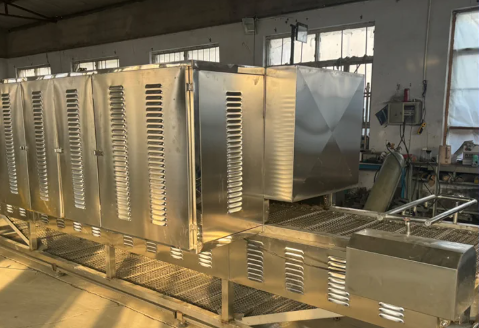
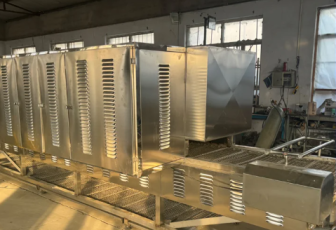
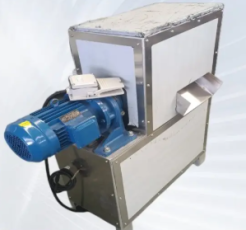
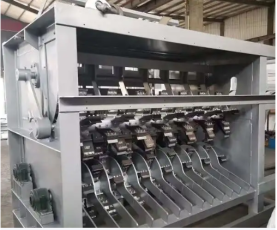
The PSF-1200G is an automated singeing machine for pig slaughter lines. After dehairing, pig carcasses still have minor hair roots and fine hairs on the skin surface. This machine uses instant high-temperature flames (approx. 1100°C) to singe the carcass surface, completely carbonizing and removing these residues while causing skin pores to contract and the skin layer to become taut and smooth. This significantly enhances the visual quality and hygiene grade of pork sides.
Product Description
Product Features:
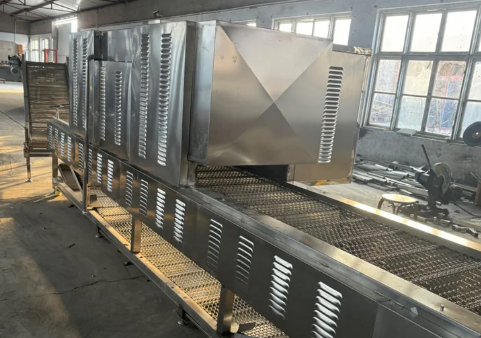
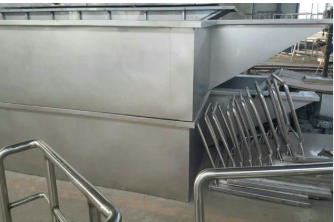
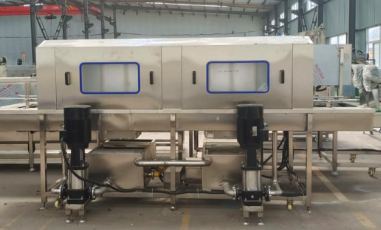
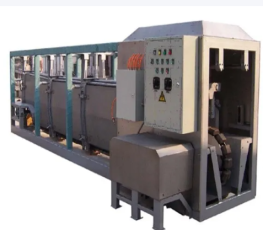
The key to this machine is instant high temperature and uniform singeing. An array of high-efficiency gas burners creates a uniform, stable curtain of high-temperature flame within the furnace chamber. An intelligent PID temperature control system precisely regulates the gas-to-air ratio, maintaining stable furnace temperature to achieve effective singeing without scorching the skin. Specially designed heat-resistant conveyor chains carry carcasses steadily through the high-temperature zone. The machine features front baffle plates and a rear water curtain cooling section. The baffles direct flames evenly over all parts of the carcass (especially the belly and legs), while the water curtain immediately cools the carcass after singeing, preventing residual heat from causing further effect. The fully enclosed furnace body and multiple gas safety interlock devices ensure a high degree of operational safety.
Product Specifications:
The standard furnace body length is 6-8 meters, with a processing capacity of 300-500 heads per hour. The dwell time in the high-temperature zone can be precisely adjusted between 10-20 seconds. The internal furnace width is ample to accommodate pigs of different sizes. The control cabinet has an IP54 protection rating and can store multiple production process parameters. The machine operates with low noise and complete combustion, meeting environmental emission standards. It requires connection to a suitable gas supply line and exhaust system.
Product Application:
This machine is installed between the dehairer (or scraper) and the final polisher/washer. The moist carcass with minor hair residues enters the singeing furnace, where it is briefly passed through the high-temperature flame, instantly carbonizing surface residues. The carcass then immediately enters the water curtain cooling section, where the surface temperature drops sharply, and the carbonized layer becomes brittle. Finally, the carcass enters the polisher or scrubber, where the brittle carbonized material is easily brushed away, yielding a final product with a golden, clean, and smooth skin surface. The singeing process is a critical step in producing high-quality pork sides. It effectively kills surface microorganisms, improves appearance, and lays an excellent foundation for subsequent market sales or cutting operations, making it a key link in modern pig slaughter lines for adding product value.
Frequently Asked Questions (FAQ)
Q:What are the optimal singeing temperature and time?
A:The furnace temperature is typically set between 1000-1100°C, with a dwell time in the high-temperature zone of approximately 12-18 seconds. Fine-tuning may be needed based on pig breed, skin thickness, and prior dehairing results.
Q:Is there a significant cost difference between using natural gas and LPG?
A:Energy cost depends on local utility rates. In terms of calorific value, 1 kg of LPG is roughly equivalent to 1.3 cubic meters of natural gas. The machine can be adapted for both fuel types, but burner nozzles require corresponding configuration.
Q:What if the singeing is uneven? How to ensure the belly and legs are singed?
A:The furnace is equipped with adjustable flame baffles and specifically angled burners to ensure flame envelopment of all carcass parts. Maintaining burner cleanliness and checking gas pressure are key to consistent results.
Q:Does immediate water cooling after singeing affect the pigskin quality?
A:No. The instant high-temperature singeing carbonizes the epidermis while deeper tissue remains cool. Prompt water cooling rapidly stops thermal action, making the carbonized layer brittle for easy removal and preventing the skin from being "cooked" and turning yellow.
Q:What safety features does the equipment have?
A:It includes multiple safety interlocks: automatic gas shutoff upon flame failure detection; gas leak alarm; fan failure protection; conveyor chain stop protection; and emergency stop buttons to ensure safe operation.
Q:: Do the refractory materials in the furnace chamber need frequent replacement?
A:High-quality ceramic fiber modules offer excellent resistance to thermal shock and have a long service life. Under normal use and maintenance, they can last for several years. Avoid mechanical impact and rapid temperature changes.









 Post RFQ


 Chat
Chat




 ALL CATEGORIES