Global B2B Deals, One Click Away
Connect, Trade, Grow Globally

Mould

【Global Business Communication]】Mould Channel brings together a full range of products including injection moulds, stamping moulds, die-casting moulds, precision moulds and mould accessories, connecting high-quality mould wholesale suppliers and manufacturers in China. We provide high-precision, customized mould solutions for industries such as automotive, electronics, medical and packaging. You can connect with ISO-certified leading factories to access mould design, trial sampling, mass production and after-sales maintenance services. We have established a strict quality control system to ensure mould accuracy and durability. Post your procurement needs or showcase your products now to expand the global mould market together!
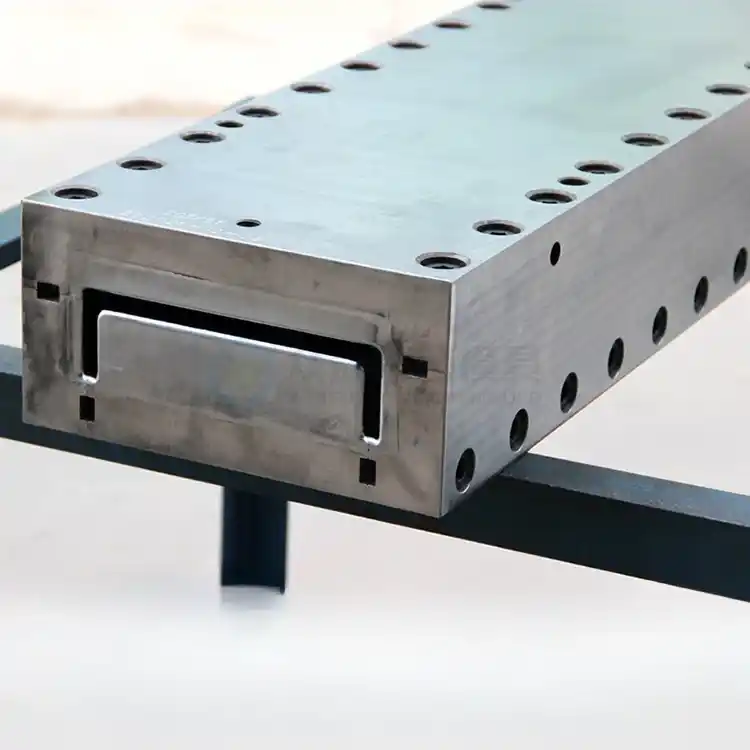
Extrusion Die( 20 )
Extrusion Die( 20 )
Thermoplastic Composite Extrusion Die
Titanium Alloy Extrusion Die for Aerospace
Quick-Change Wire & Cable Extrusion Die
Carbon Fiber Composite Extrusion Mould
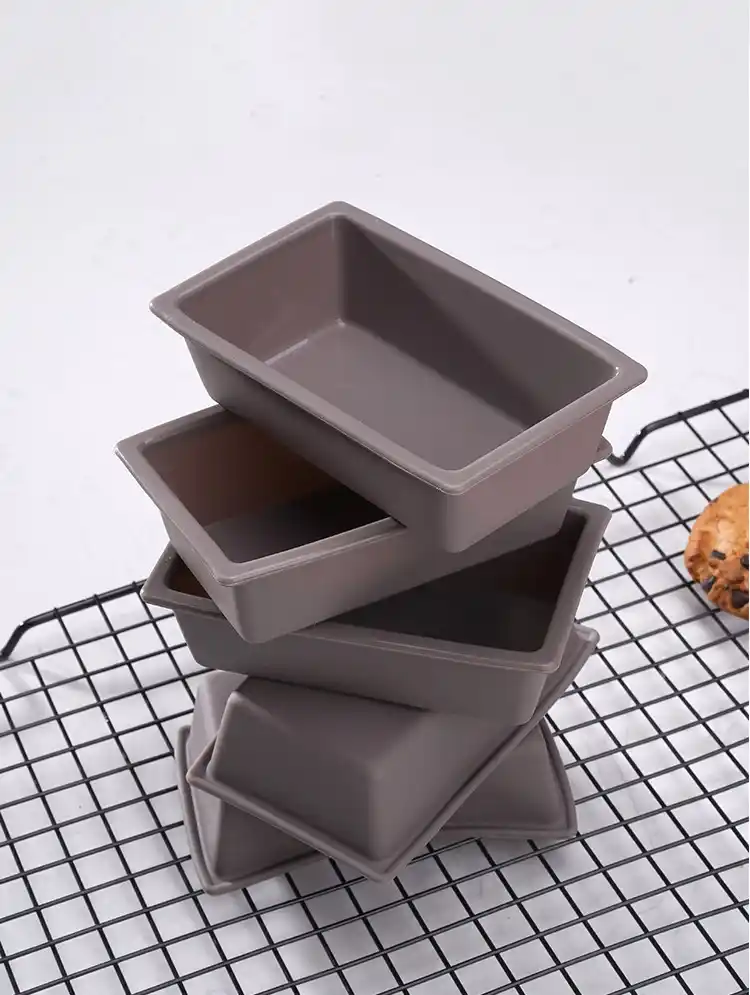
Food Grade Silicone Strip Extrusion Die
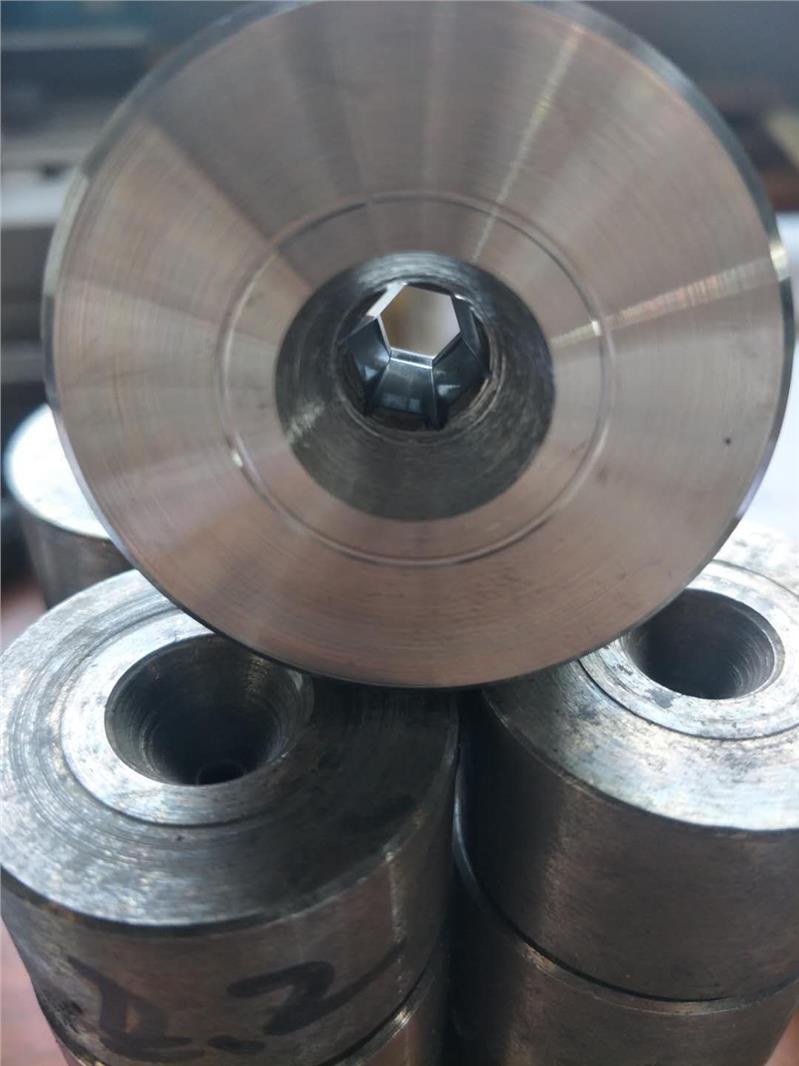
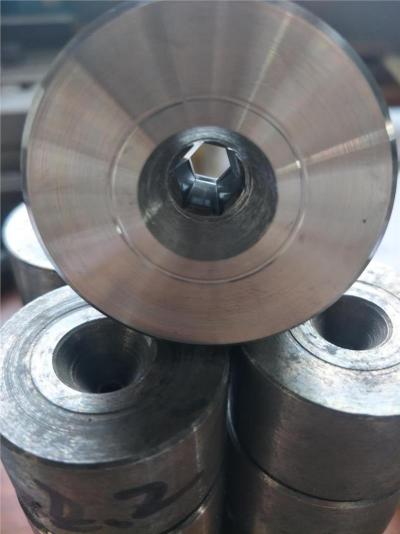
Cemented Carbide Non-standard Special-shaped Cold Extrusion Die
Featured Suppliers
Luoyang Yuhan Engineering Mold Manufacturing Co., Ltd.
China
Main products: Extrusion mold, Ball bearing sleeve

Related issues

Q:How to maintain copper busbar extrusion dies for optimal performance?
A:For copper busbar extrusion dies: 1) Clean die lips daily with brass brushes to prevent oxide buildup, 2) Apply high-temperature anti-seize lubricant (up to 500°C) weekly, 3) Monitor wear on guide rails and replace after 800-1000 production hours to maintain ±0.05mm dimensional accuracy.
Q:What standards do medical-grade plastic tube extrusion dies comply with?
A:Medical tube extrusion dies meet: 1) ISO 13485 for medical device quality systems, 2) USP Class VI material certification, 3) 21 CFR FDA compliance. Features include mirror-polished flow channels (Ra<0.2μm) and corrosion-resistant tool steel to prevent bacterial growth.
Q:Why choose aluminum alloy for precision electronic heat sink extrusion dies?
A:Aluminum alloy dies excel in heat sink production due to: 1) Superior thermal conductivity (150-180 W/m·K) for rapid cooling, 2) Ability to form thin fins (0.3mm thickness) with high dimensional stability, and 3) 50% longer service life than copper alloys when processing 6063/6061 aluminum.
Q:What tolerances can window profile extrusion dies achieve for aluminum alloys?
A:Modern window profile dies deliver: 1) ±0.1mm wall thickness consistency, 2) <0.3mm/m straightness deviation, and 3) surface roughness Ra 0.8-1.6μm. Premium dies incorporate multi-stage flow balancing and H13 hot-work steel for 10,000+ extrusion cycles.
Q:What are the advantages of co-extrusion dies for composite panels?
A:Co-extrusion dies for composite panels enable multi-layer material bonding in one pass, reducing production time by 30-40%. Key benefits include uniform layer thickness (tolerance ±0.1mm), material cost savings through optimized core-layer usage, and enhanced structural integrity with PP/PE/PET compatibility.
Q:What are the advantages of custom ceramic-based composite extrusion dies?
A:Custom ceramic-based composite extrusion dies offer high wear resistance (3-5x longer lifespan than steel dies), thermal stability up to 1200°C, and precise dimensional control (±0.01mm) for complex aerospace/medical components.
Q:How does cold extrusion molding improve precision for automotive parts?
A:Cold extrusion molds (hardness HRC60-62) enable net-shape forming of gear shafts/bearing races with surface roughness Ra0.4μm, eliminating secondary machining while maintaining tolerances within 0.05mm.
Q:Why choose 6061 aluminum alloy for profile extrusion molds?
A:6061 aluminum molds (T6 tempered) provide optimal balance of strength (310MPa yield) and thermal conductivity (167W/m·K), ideal for high-volume extrusion of architectural/industrial profiles at 400-500°C.
Q:What makes extrusion dies suitable for new energy battery casings?
A:Battery casing dies feature multi-stage flow channels and nitride-treated surfaces (HV≥1200) to uniformly extrude thin-walled (1.2-2mm) aluminum casings at 450°C with ≤0.1mm wall thickness variation.
Q:What are the key specifications when selecting copper extrusion molds for busbars?
A:Key specs include: 1) Copper grade (C11000 preferred), 2) Mold hardness (HRB 60-70), 3) Working temperature range (200-600°C), 4) Tolerance class (ISO IT6-IT7), and 5) Surface roughness (max Ra 0.8μm for critical surfaces).

Other Industries

Agricultural Machinery Engineering & Construction Machinery Metal Processing Machinery Woodworking Machinery Machine Tools Plastic Machinery Chemical Equipment & Machinery Sorting Machine Rubber Machinery Manufacturing Equipment for Electrical & Electronic Product Mining Machinery Building Material Making Machinery Mixing Equipment Hydraulic Press
scroll_to_top