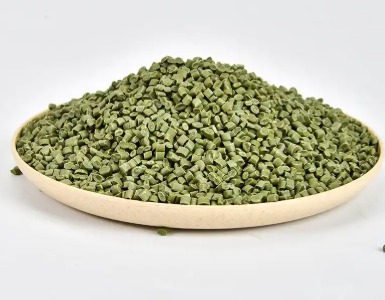
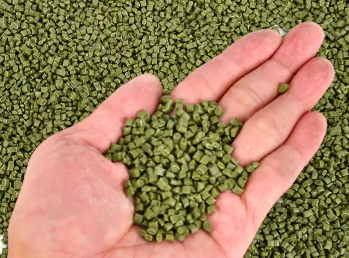





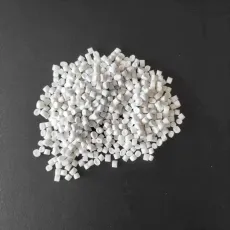
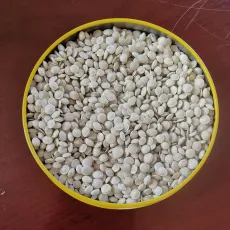
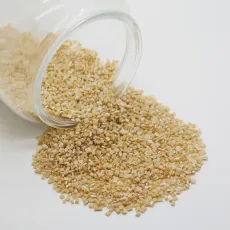
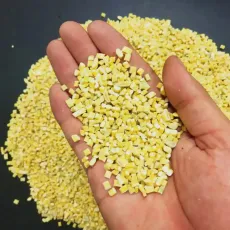
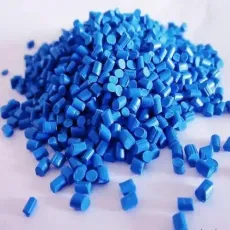
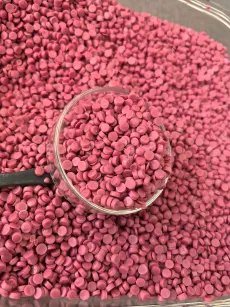

Different from ordinary recycled LDPE granules, this product has been professionally modified to improve film forming performance, with uniform film thickness and no pinholes, solving the pain point of poor film quality of ordinary recycled plastics. Its excellent falling dart impact strength ensures that the produced films have good drop resistance, reducing the risk of packaging damage during transportation. The excellent heat sealing performance allows it to be used in automatic packaging production lines, improving packaging efficiency. It meets FDA indirect food contact standards, making it suitable for food packaging applications.
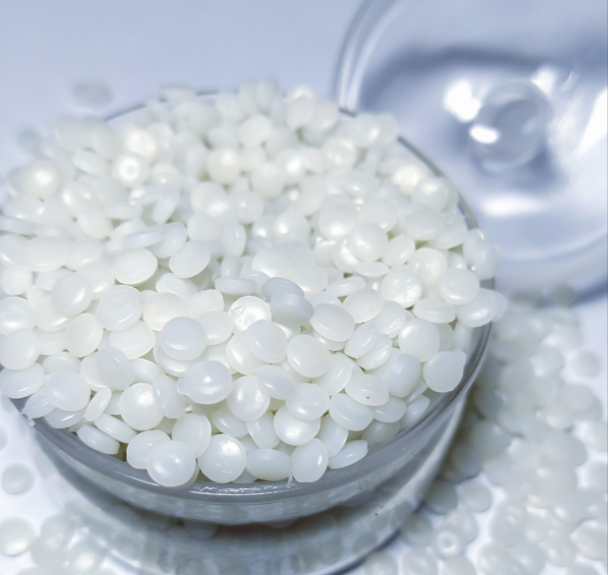
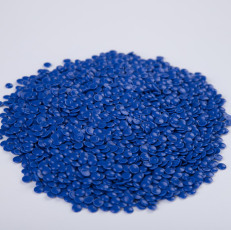
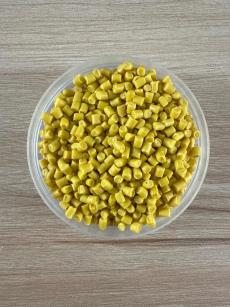
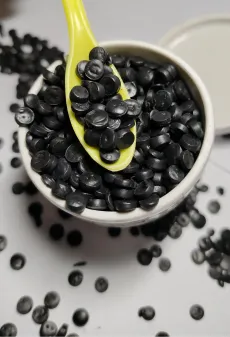
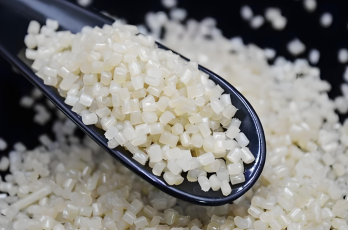
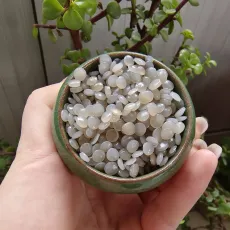
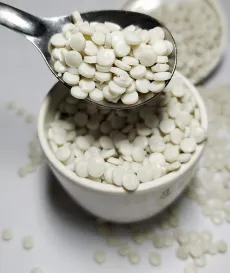
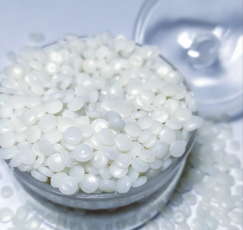
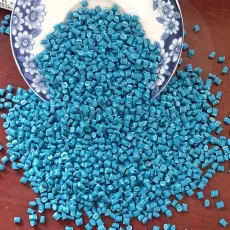
The particle size of this blown film grade LDPE recycled granule is controlled between 2.3-3.1mm, ensuring uniform feeding during the blown film production process. The density is 0.918 g/cm³, consistent with standard virgin LDPE materials for blown film. The melt flow rate is between 5.0-6.0 g/10min under 190℃ and 2.16kg load, ensuring stable blown film performance. The falling dart impact strength reaches over 30 g, ensuring good impact resistance of the produced films. The moisture content is controlled below 0.11%, avoiding foaming and air bubble problems during blown film production. It meets FDA indirect food contact standards and RoHS regulations, making it suitable for food packaging applications. The produced films can be adjusted to a thickness range of 0.01mm to 0.1mm to meet different packaging needs.
This blown film grade LDPE recycled granule is mainly used for producing flexible plastic packaging films such as food packaging bags, snack packaging films, agricultural mulch films, and shopping plastic films. It is widely used in the food packaging industry, agricultural product packaging manufacturing, and daily plastic film production enterprises. It is suitable for producing automatic packaging film rolls, thanks to its excellent heat sealing performance. It can replace virgin LDPE materials in most blown film processes, helping enterprises reduce production costs by 10-15% while reducing carbon emissions. It is also suitable for producing industrial packaging films for light goods.







 Post RFQ


 Chat
Chat


 ALL CATEGORIES