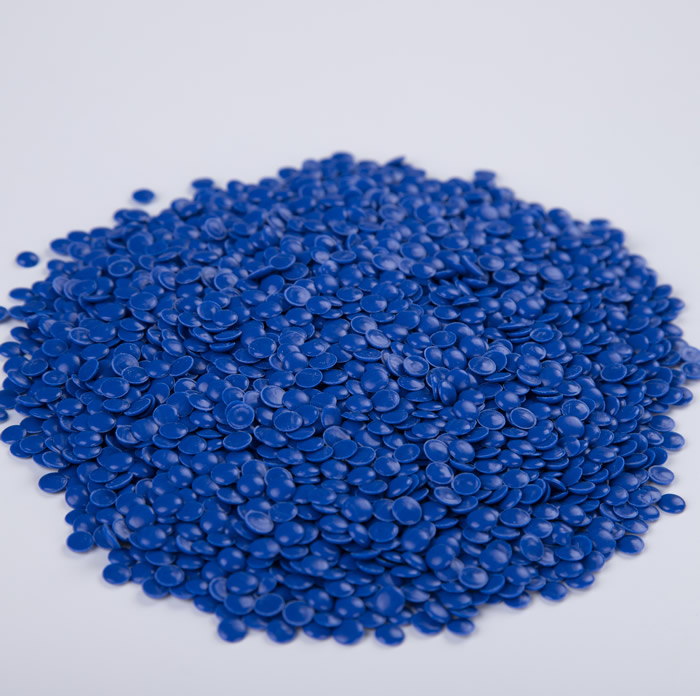
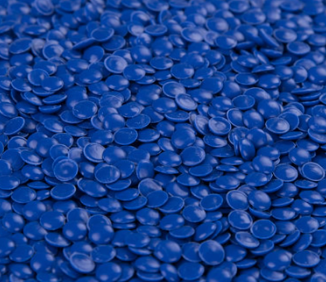





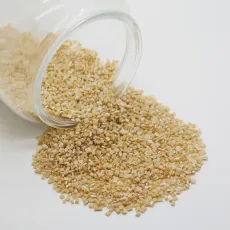
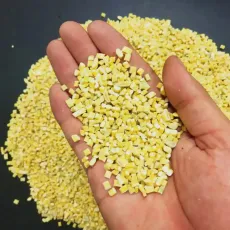
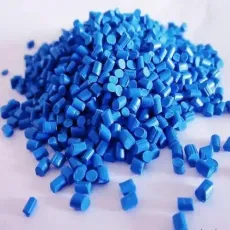
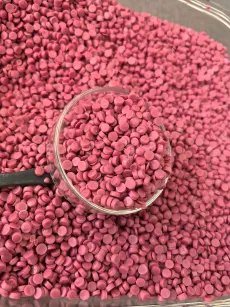

Different from low-quality recycled LDPE granules on the market, this product adopts a strict sorting and cleaning process to remove most impurities and foreign matter, with an impurity rate of less than 0.08%, ensuring stable product quality. Its standardized melt flow rate ensures good compatibility with most standard injection molding equipment, reducing the need for equipment debugging and reducing production waste. The low temperature resistance of -20℃ allows it to be used in cold environment products, solving the pain point of poor low-temperature performance of ordinary recycled plastics. It also has good weld line strength, ensuring that the produced parts have no obvious weak points, improving the overall quality of the product.
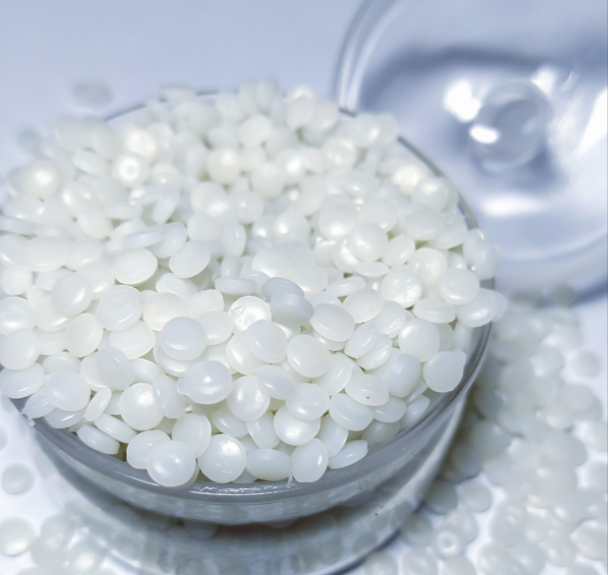
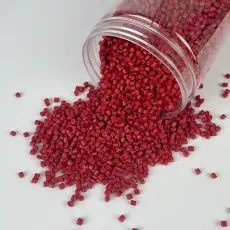
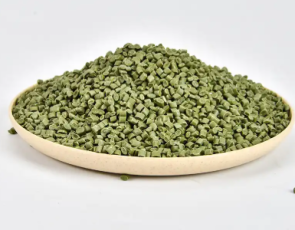
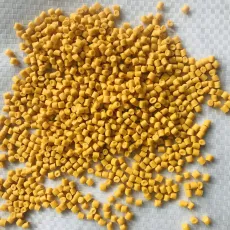
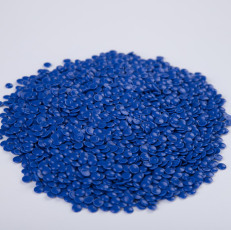
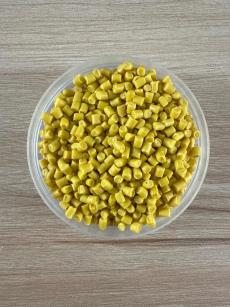
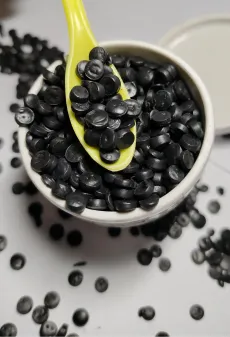
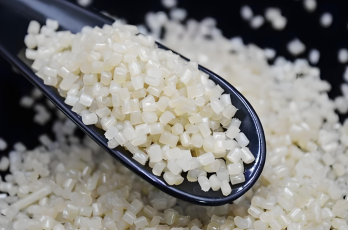
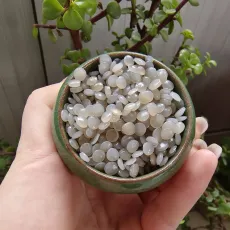
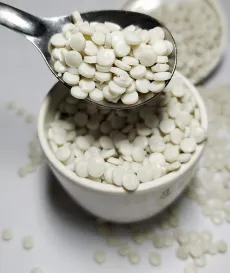
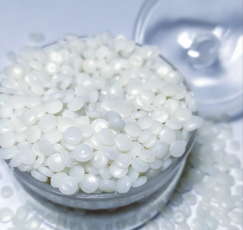
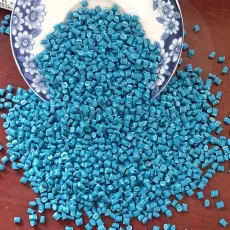
The particle size of this general-purpose LDPE recycled granule is controlled between 2.2-3.0mm, ensuring uniform mixing and feeding during processing. The density is 0.920 g/cm³, consistent with standard virgin LDPE materials. The melt flow rate is between 3.0-4.0 g/10min under 190℃ and 2.16kg load, ensuring stable processing performance across different production batches. The moisture content is controlled below 0.12%, avoiding foaming and air bubble problems during injection molding. The tensile strength reaches over 12 MPa, meeting the performance requirements of most daily plastic products. It is fully compliant with RoHS regulations, with no restricted hazardous substances exceeding standard limits, and is suitable for producing non-food contact plastic products.
This general-purpose LDPE recycled granule is mainly used for producing daily plastic products such as toy parts, plastic housings for small household appliances, shopping bag handles, disposable plastic cups, and simple industrial accessory parts. It is widely used in the toy manufacturing industry, household goods industry, and small-scale plastic processing enterprises. It can replace virgin LDPE materials in most non-food contact injection molding processes, helping enterprises reduce production costs by 15-20% while reducing carbon emissions. It is also suitable for producing plastic packaging accessories such as bottle caps and packaging buckles.







 Post RFQ


 Chat
Chat


 ALL CATEGORIES