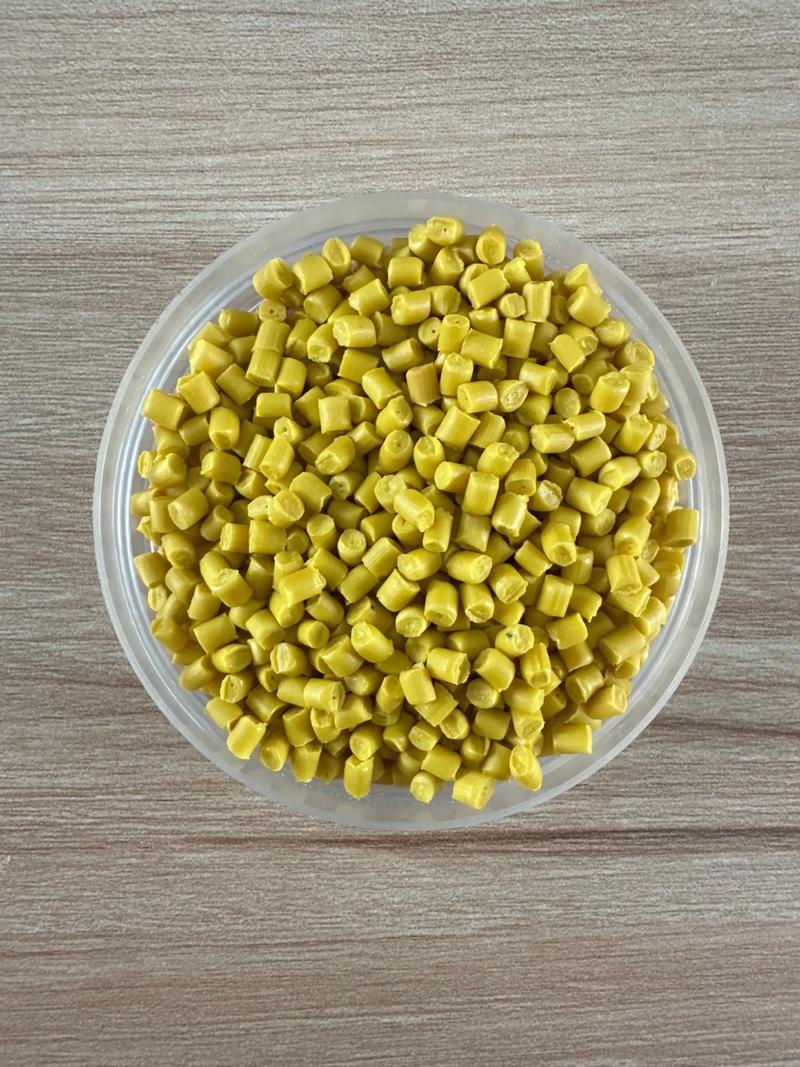




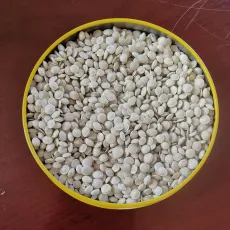
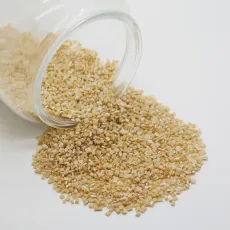
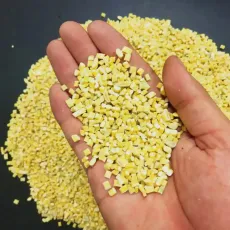
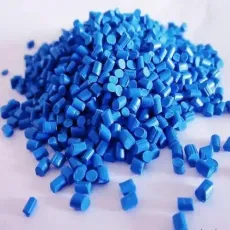
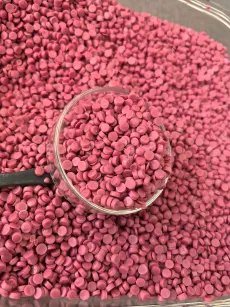

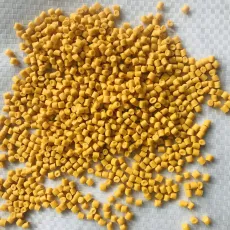
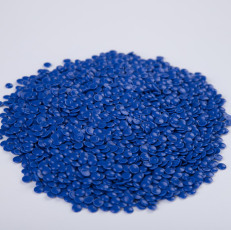
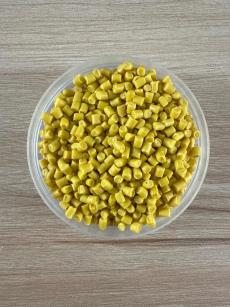
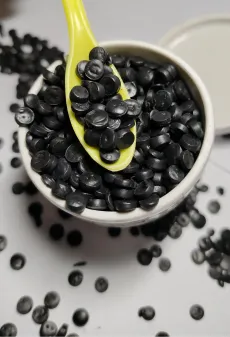
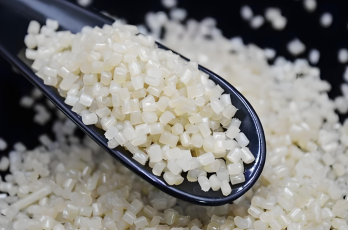
Compared to ordinary recycled PE granules, this food-grade HDPE product eliminates the risk of harmful substance residue through a multi-stage cleaning and purification process, with an impurity rate as low as 0.05%, ensuring no adverse impact on food safety. Its standardized melt flow rate and particle size ensure stable injection molding efficiency, reducing production waste and defective rates. It meets the latest global food contact safety standards, allowing direct use in food-related products without secondary treatment. Additionally, it offers customizable color options to match brand design needs, and the enhanced UV-resistant version is available for outdoor application scenarios, solving the pain points of poor weather resistance of ordinary recycled plastics.
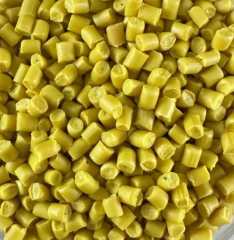
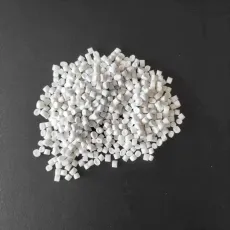
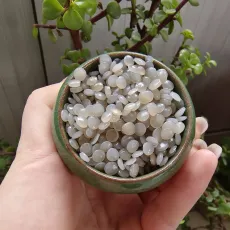
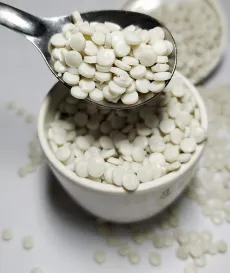
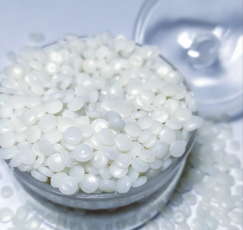
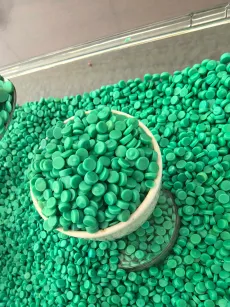
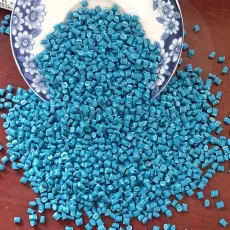
This product has a standardized particle size of 2.5-3.5mm, ensuring uniform feeding during injection molding processing. The density is fixed at 0.952 g/cm³, matching the performance of virgin HDPE materials. The melt flow rate is controlled between 1.8-2.2 g/10min under 190℃ and 2.16kg load, ensuring consistent processing performance across batches. The moisture content is strictly controlled below 0.1%, eliminating the risk of foaming or air bubbles during molding. It passes strict RoHS and REACH compliance tests, with no restricted hazardous substances exceeding standard limits. The tensile strength reaches over 16 MPa, meeting the performance requirements of most daily food contact plastic products. Custom color matching and enhanced UV resistance options are available to meet specific customer needs.
This food-grade HDPE recycled granule is mainly suitable for the production of food contact plastic products, including disposable tableware, food storage containers, beverage bottle caps, kitchen utensils, and food packaging accessories. It is widely used in the food packaging industry, household goods manufacturing, and disposable consumer goods enterprises. It can replace virgin HDPE materials in most injection molding processes, helping enterprises reduce production costs while achieving carbon neutrality goals. It is also suitable for producing small industrial plastic parts that require food-safe materials, such as medical disposable accessory shells (non-direct contact with blood or drugs).
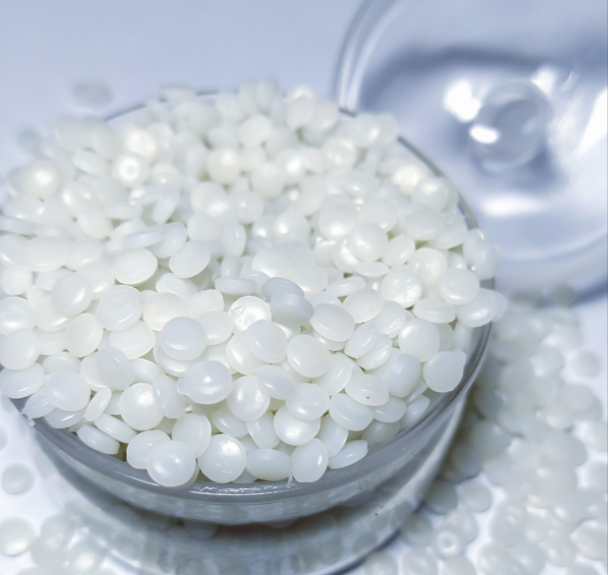


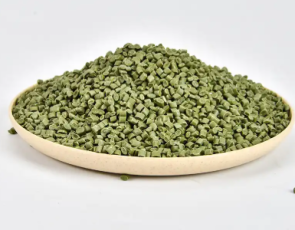





 Post RFQ


 Chat
Chat


 ALL CATEGORIES