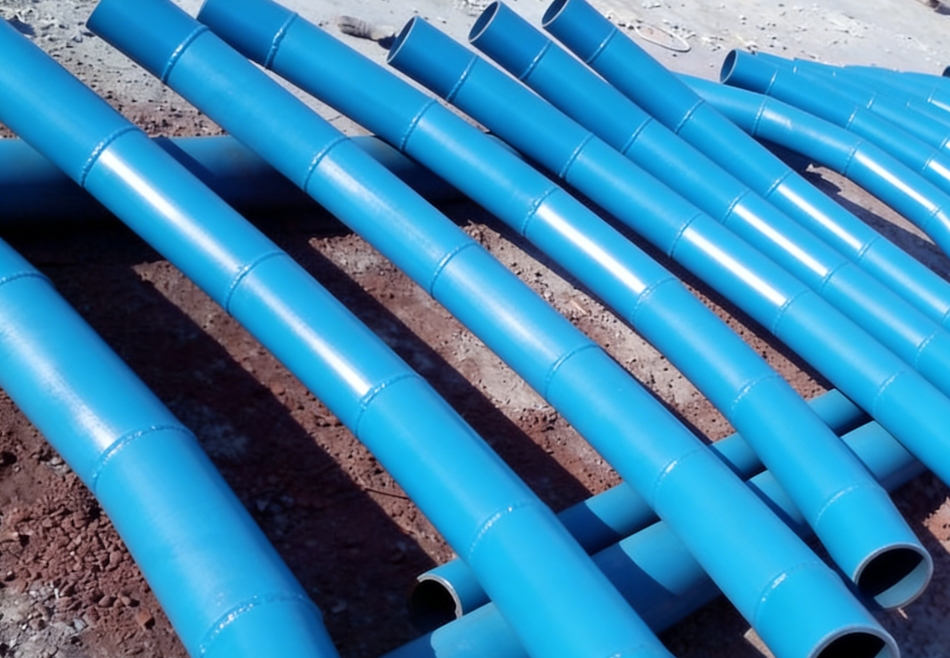
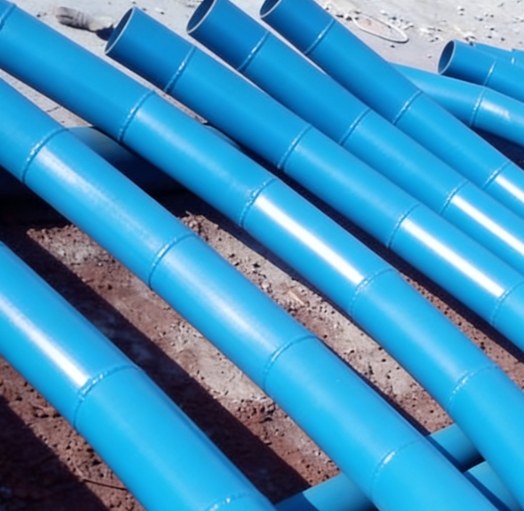


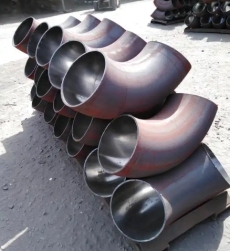
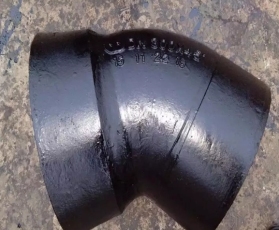
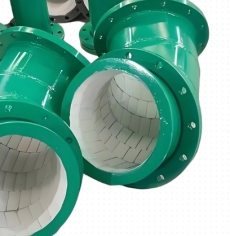
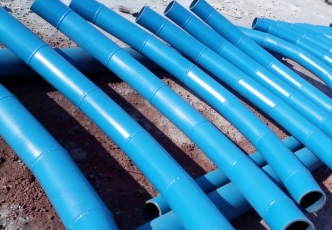
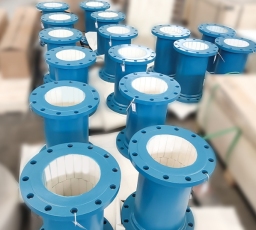
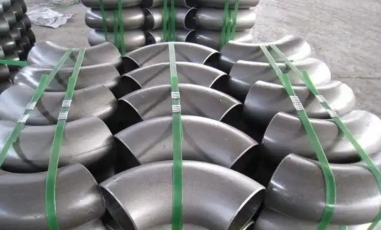

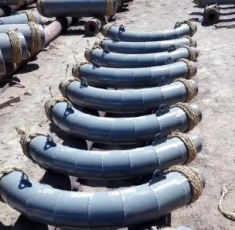
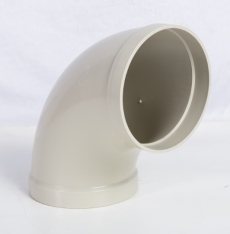
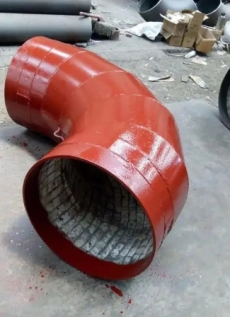
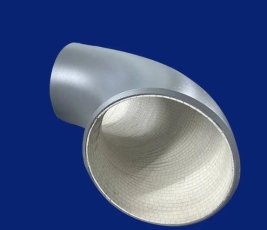
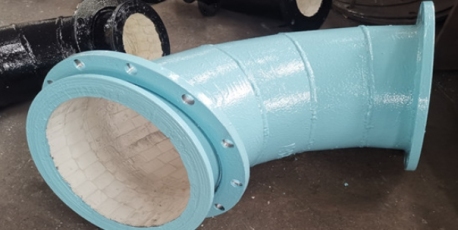
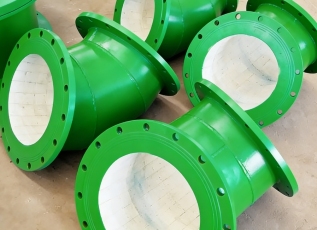
The core advantage lies in the modular ceramic tile design, which can customize elbows of different angles according to user needs, and even repair worn elbows on site. The 304 stainless steel matrix has excellent corrosion resistance, suitable for conveying acidic, alkaline and other corrosive media. The high-temperature resistant epoxy adhesive is used to paste the ceramic tiles, and the bonding strength is ≥2MPa, ensuring that the ceramic tiles will not fall off during conveying. The threaded connection adopts NPT or BSP standards, adapting to the threaded interfaces of most small industrial pipelines, and can be installed conveniently without additional processing. The ceramic tiles adopt standardized sizes, which can be replaced individually according to the wear degree, reducing later maintenance costs. It has passed RoHS certification, meeting environmental protection requirements and will not pollute the conveying medium.
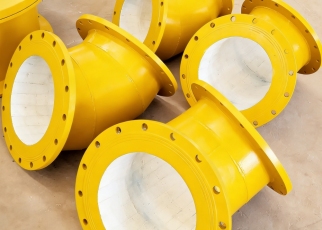
The nominal diameter covers DN25 to DN300mm, the size of the ceramic tiles is 50*50*8mm, and the wall thickness of the 304 stainless steel matrix ranges from 3mm to 12mm according to the nominal diameter. The working temperature range is -10℃ to 300℃, and it can withstand pressure ratings from PN10 to PN25. The weight of a single elbow ranges from 2kg for DN25 to 45kg for DN300. It adopts NPT or BSP threaded connection standards, adapting to universal threaded pipelines at home and abroad. The ceramic tiles are formed by high-precision stamping, with a size error of ≤0.5mm, ensuring flat pasting. It has passed ISO 9001 and RoHS certifications, and each batch of products has passed bonding strength test and corrosion resistance test.
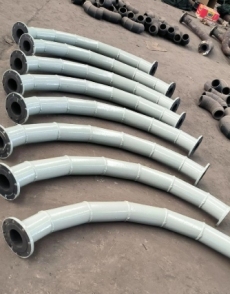
It is mainly used in small corrosive slurry conveying pipelines in the chemical industry, pulp conveying pipelines in food processing plants, powder conveying systems in pharmaceutical factories, and small reagent conveying pipelines in water treatment plants. It is suitable for conveying fine particle media with corrosiveness, such as acidic cleaning solution, food pulp, pharmaceutical powder, etc. As a steering connector of small pipeline systems, it can effectively improve the wear and corrosion resistance of the pipeline, reduce the maintenance costs of enterprises, and ensure the safety and purity of the conveying medium.







 Post RFQ


 Chat
Chat


 ALL CATEGORIES