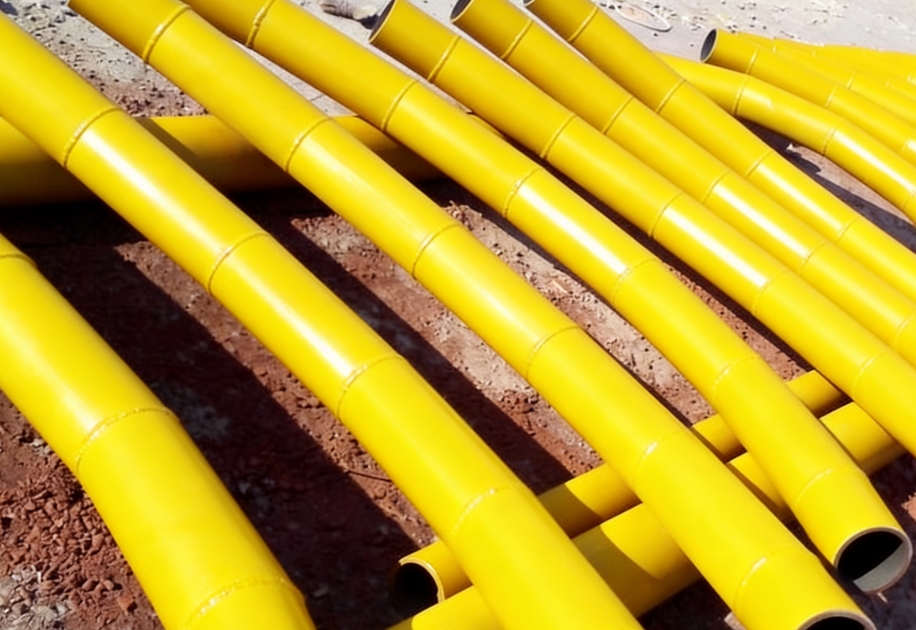
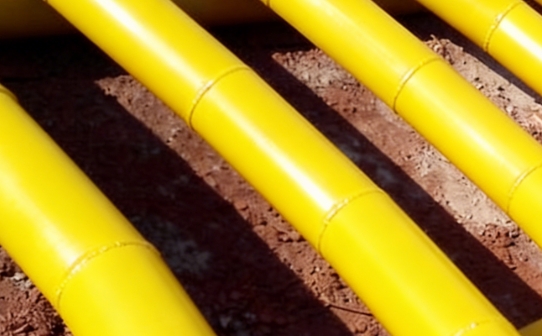


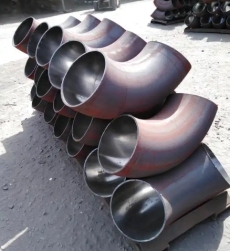
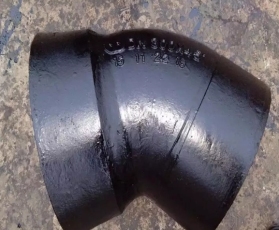
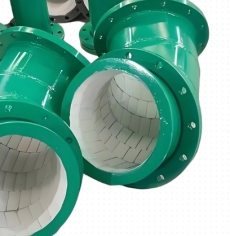
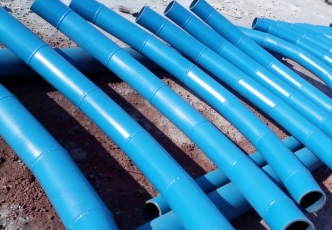
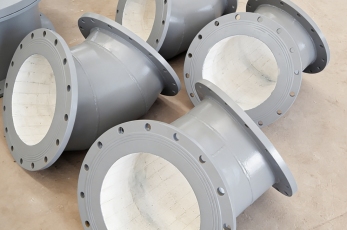
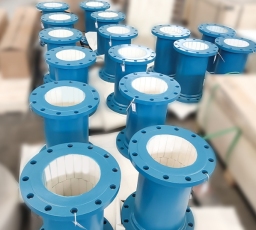

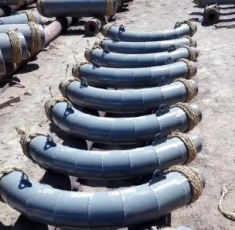
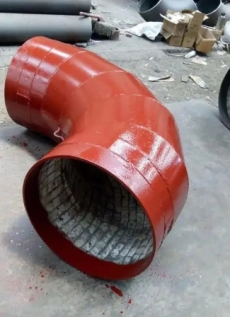
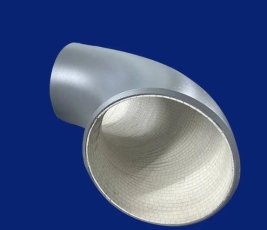
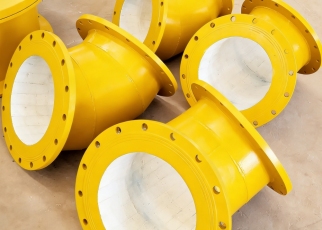
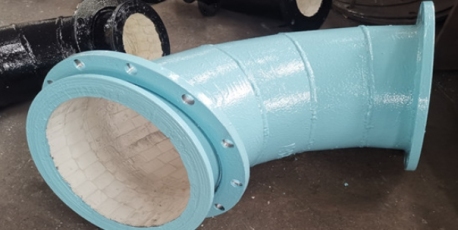
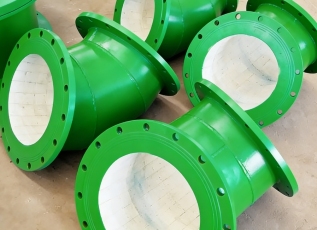
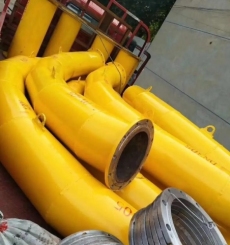
The core advantage of this product lies in its use of 99% high-purity alumina raw materials, which endows it with excellent high-temperature resistance and wear resistance. It can maintain stable performance in high-temperature environments up to 300℃, without deformation or performance degradation. The welding connection design ensures firm connection with the main pipeline, avoiding pipeline separation caused by high-temperature media impact. It has good corrosion resistance to metallurgical slag and high-temperature powder, and can be customized according to the actual pipeline parameters and working conditions of metallurgical enterprises. Each product has passed high-temperature resistance tests and wear resistance tests to ensure its performance meets the requirements of metallurgical industry applications.
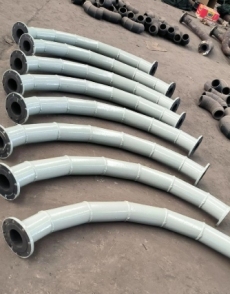
Nominal diameters range from DN80 to DN400, with a ceramic layer thickness of 10-15mm. The alumina content is 99%±2%, with a material density of ≥3.9 g/cm³. The pressure rating ranges from PN16 to PN50, adapting to conventional metallurgical pipeline pressure requirements. The temperature resistance range is from -20℃ to 300℃, which can meet the needs of high-temperature material conveying systems in metallurgical plants. Applicable elbow angles include 15°, 30° and 90°, which can meet the needs of different pipeline turning designs. The product has passed strict high-temperature cycling tests to ensure its stability in long-term high-temperature working environments.
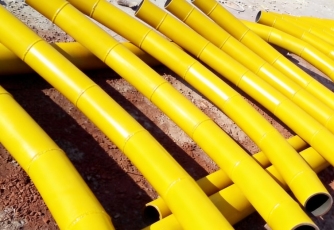
This ceramic elbow is mainly used in the high-temperature powder conveying pipeline, sintered ore transportation system and slag discharge pipeline of metallurgical plants, such as steel mills, non-ferrous metal smelting plants and cement plants. It is also suitable for the high-temperature material conveying system of thermal power plants with high-temperature flue gas ash. In the actual use process, it can effectively resist the wear of high-temperature media and reduce the frequency of pipeline replacement, improving the safety and stability of metallurgical production. It is very suitable for metallurgical enterprises with high-temperature material conveying requirements and high requirements for pipeline durability.







 Post RFQ


 Chat
Chat


 ALL CATEGORIES