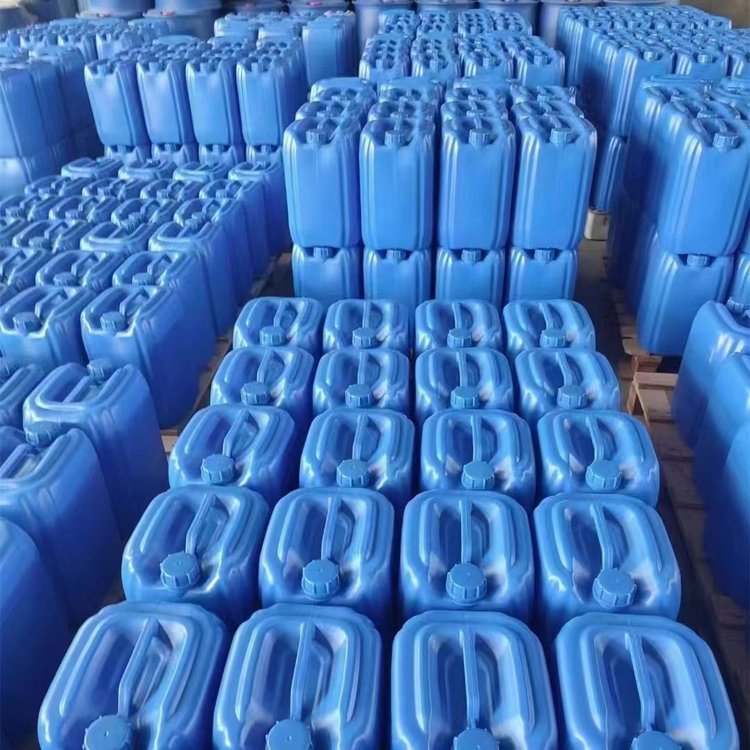






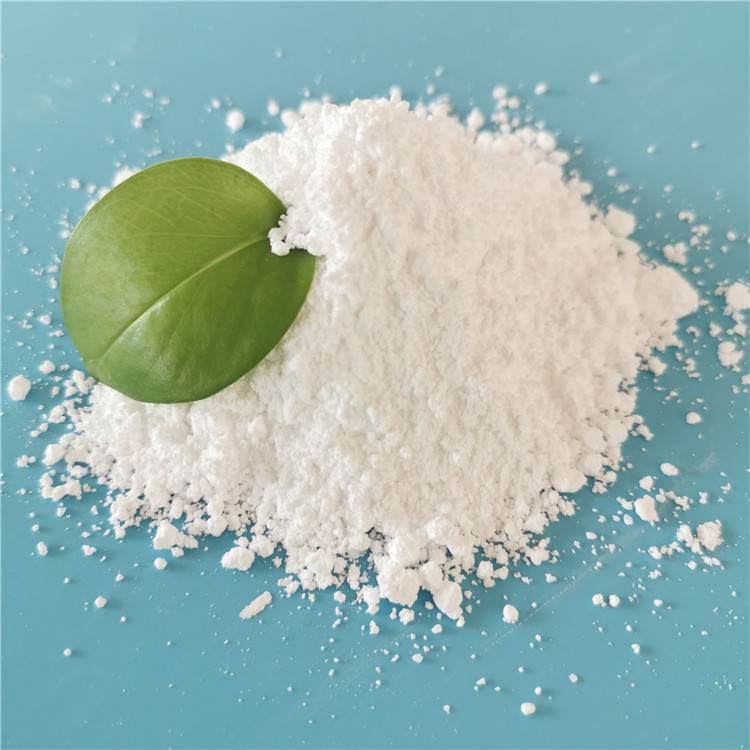
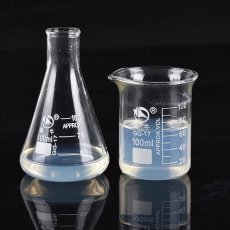
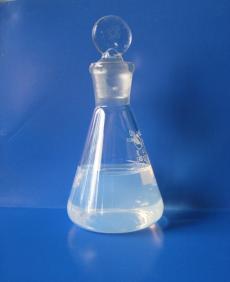
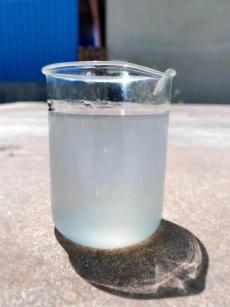
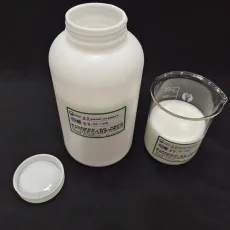
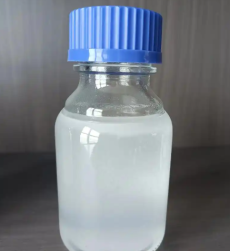
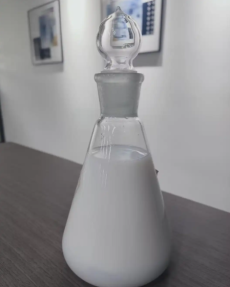
The ultra-fine particle size of 3±1 nm gives this silica sol excellent dispersibility and reactivity, allowing it to uniformly disperse in various matrix materials such as ceramics, polymers, and metals, significantly improving the mechanical strength and thermal stability of composite materials. Its ultra-high specific surface area provides abundant active sites for catalytic reactions, making it an ideal catalyst carrier for various chemical reactions. The product has ultra-low metal impurity content of less than 5 ppb, ensuring it does not contaminate high-precision products in semiconductor and nanotechnology applications. It complies with ISO 13485 medical device quality management system standards, making it suitable for use in medical device manufacturing and other high-precision applications. Additionally, it can be used to prepare transparent ceramic materials with excellent optical transmittance and mechanical strength.
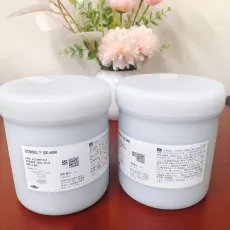
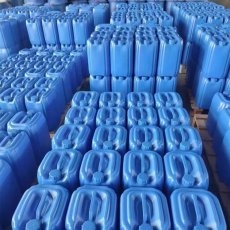
Technical specifications include: SiO2 content of 40.0±0.3 wt%, average particle size of 3±1 nm, specific surface area of 320±20 m²/g, Brookfield viscosity of 20-30 mPa·s at 25℃ using RV spindle 4, pH value ranging from 9.5 to 10.5, density between 1.32-1.34 g/cm³, total metal impurity content less than 5 ppb, particle count of less than 50 per mL for particles ≥0.1μm, packaged in 500kg cleanroom-grade IBC totes, stored in a cool, dry place at temperatures between 5-30℃, avoiding direct sunlight and mechanical vibration, and has a shelf life of 18 months from the date of production. The product is tested using advanced analytical techniques including ICP-OES and dynamic light scattering to ensure compliance with published specifications, with batch-specific test reports available upon request.
This high-purity nano silica sol is primarily used in the production of high-precision ceramics, optical coatings for lenses and display panels, nanocomposite materials for automotive and aerospace applications, catalyst carriers for chemical reactions, lithium-ion battery anode material modification, semiconductor packaging materials, and medical device components. It is suitable for use in research and development laboratories, pilot production lines, and large-scale advanced manufacturing plants, providing consistent and high-performance materials for cutting-edge technology applications. It is also used in the production of advanced electronic materials, high-performance coatings, and biomedical devices, supporting the development of next-generation technologies.












 Post RFQ


 Chat
Chat


 ALL CATEGORIES