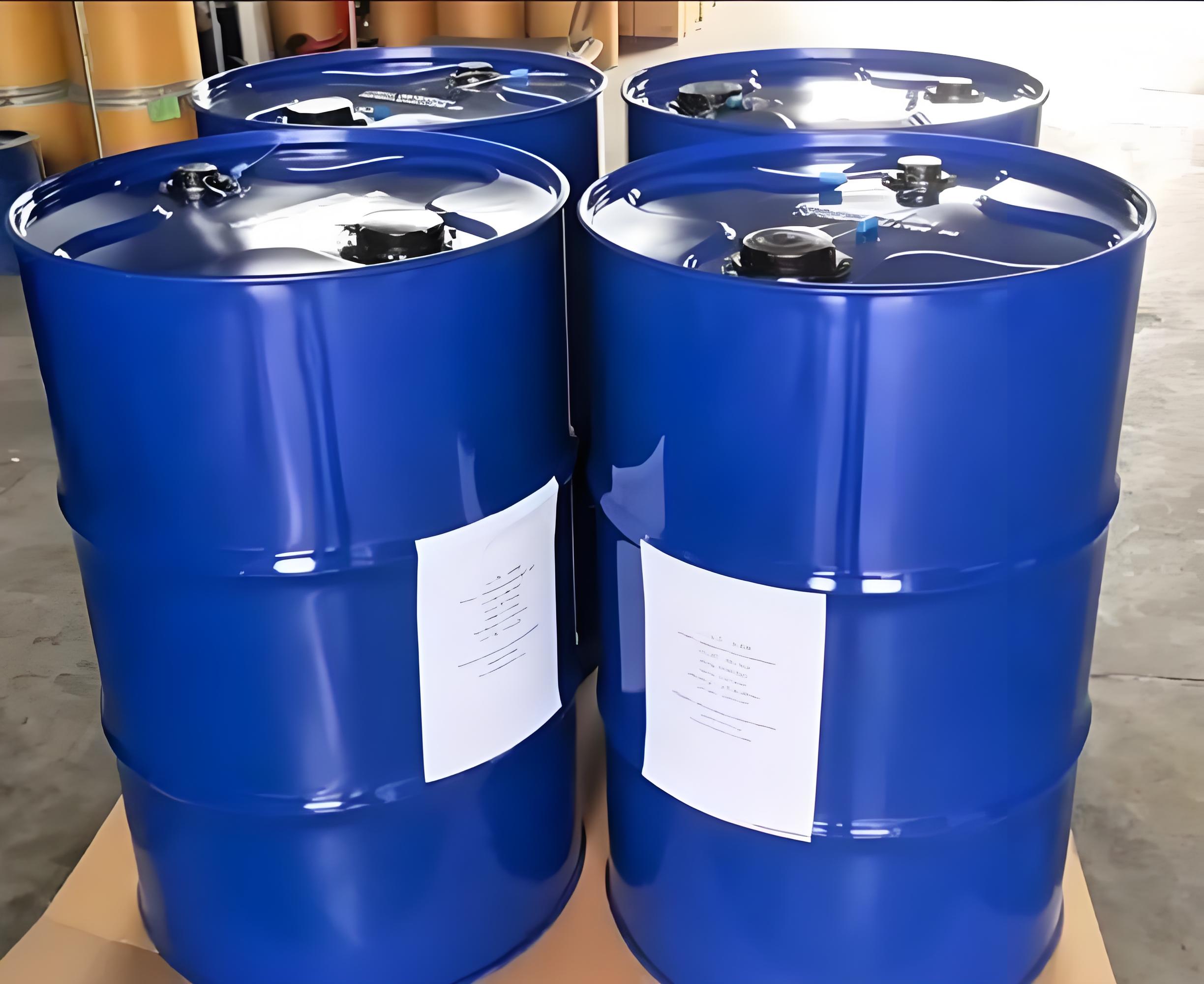
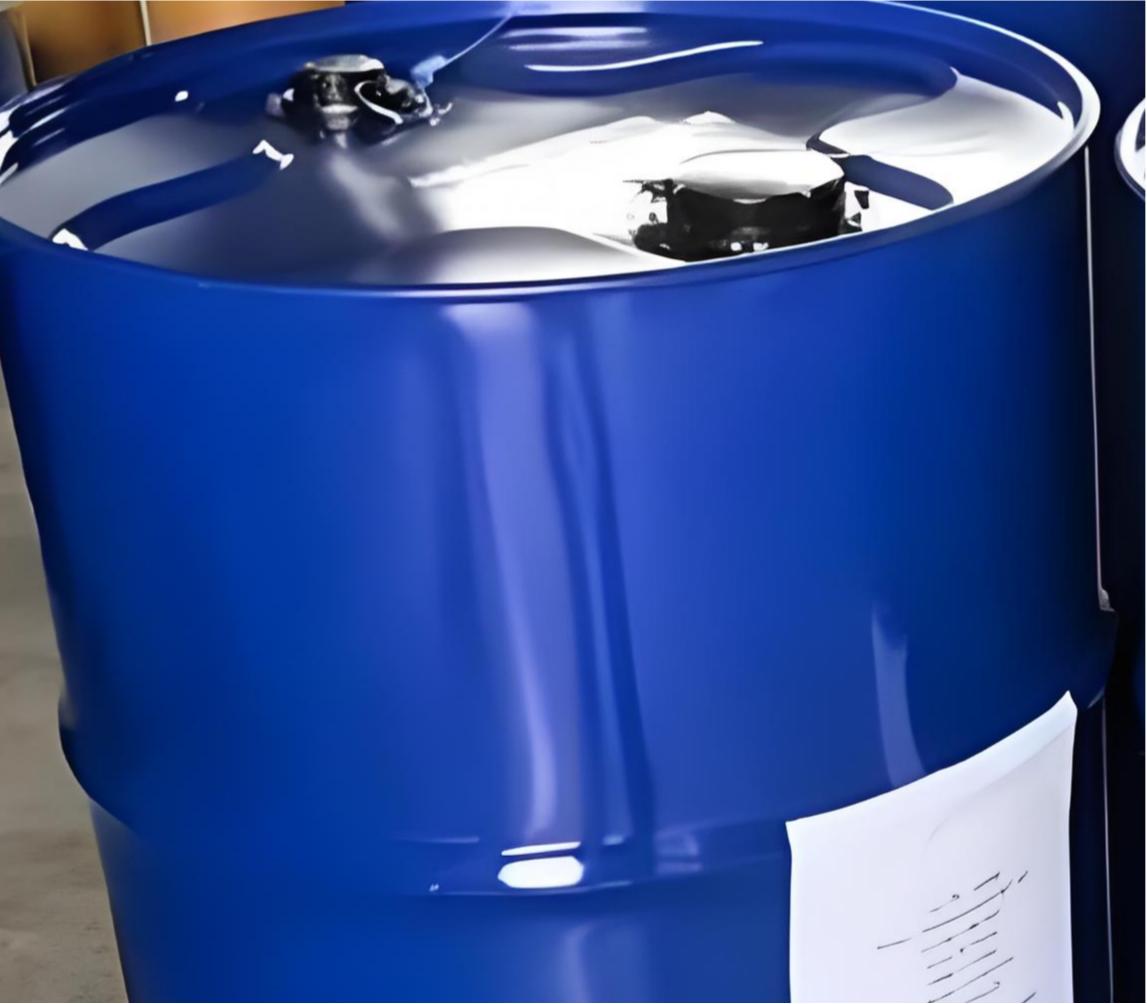


This product adopts a two-component polysulfide formula, which can be quickly cured after mixing. It has excellent aviation fuel and hydraulic oil corrosion resistance, and can resist the erosion of various fluids during the use of aircraft. It has outstanding high and low temperature resistance, maintaining stable sealing performance in extreme environments from -60℃ to 150℃, and has excellent salt spray corrosion resistance, suitable for sealing operations in coastal ships and high humidity environments. It needs to mix component A and component B according to the proportion before construction, which is convenient for construction. After curing, it has good elasticity and bonding strength, which can bear the vibration and displacement of aircraft and ships. It solves the industry pain point that traditional sealants cannot adapt to the harsh working conditions of aerospace, providing professional sealing solutions for high-end industrial scenarios.
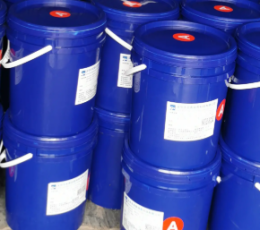
This sealant is a two-component set, with a net weight of 5kg for component A and 1kg for component B, and the mixing ratio is 5:1. The pre-curing state is a uniform paste of black or grey. The skintime is about 30 minutes, and the full cure time is 72 hours (at 25℃, 50% humidity environment). The temperature resistance range covers -60℃ to 150℃, and it can withstand a short-term high temperature of 200℃. The tensile bond strength is ≥0.8MPa, the elongation at break is ≥400%, and it has excellent aviation fuel and salt spray corrosion resistance, complying with NAS 1602 aerospace sealant standards and MIL-A-46106 military sealant standards. The shelf life of component A is 6 months, and the shelf life of component B is 12 months. It should be stored in a cool and dry place, avoiding direct sunlight and high temperature environments, and the mixed glue must be used within 2 hours.
It is mainly used for body gap sealing, wing joint sealing, fuel tank seam sealing, and engine compartment sealing of aircraft, and also applicable to watertight compartment gap sealing, deck joint sealing of ships, and sealing operations of offshore oil platforms. It can adapt to a variety of aerospace and ship common substrates such as aluminum alloy, titanium alloy, carbon fiber composite material and glass, especially suitable for high-end maritime engineering, aerospace manufacturing and maintenance and other harsh working condition scenarios.











 Post RFQ


 Chat
Chat


 ALL CATEGORIES