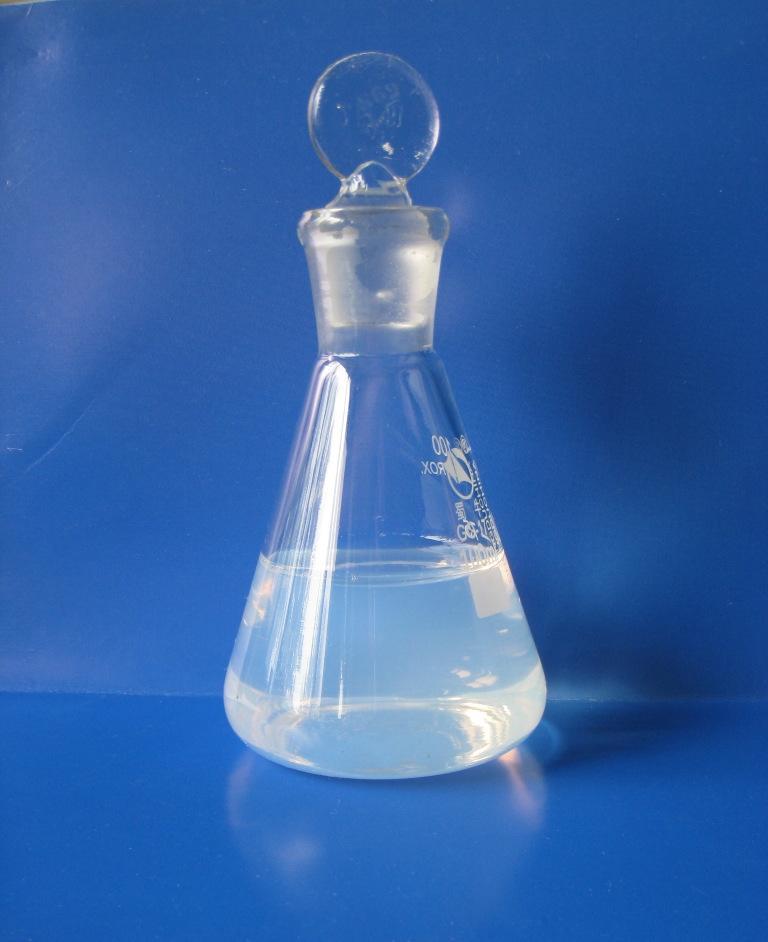





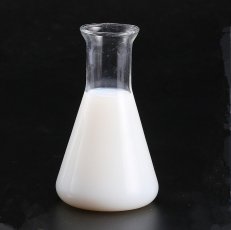
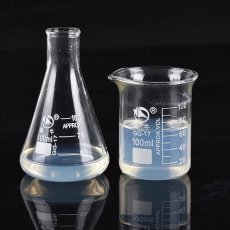
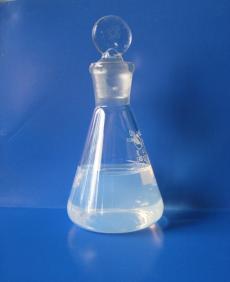
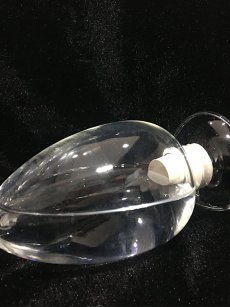
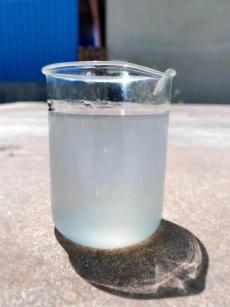
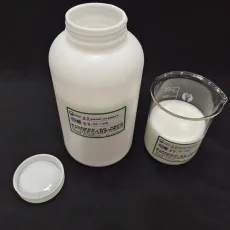
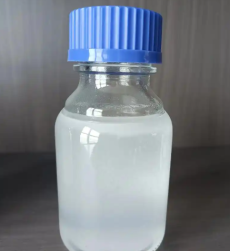
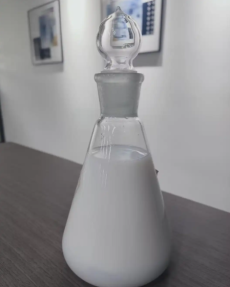
This precision casting grade silica sol adopts an exclusive colloidal stabilization process, with uniform particle size distribution and stable colloidal performance. The bond strength is 15% higher than that of ordinary silica sol, and it can withstand a high temperature of up to 1600℃. It has no pungent odor and meets national environmental protection emission standards. It can significantly reduce the cracking rate of casting molds, improve the surface finish of castings, and reduce the cost of subsequent grinding processes. It has excellent compatibility with various refractory aggregates such as zircon powder and bauxite, and is compatible with almost all common investment casting wax patterns, meeting the production requirements of different casting materials.
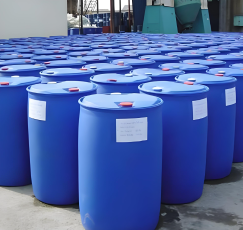
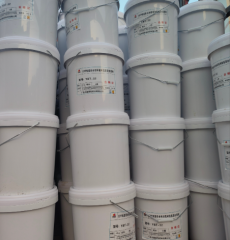
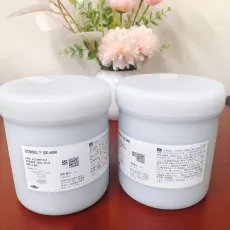
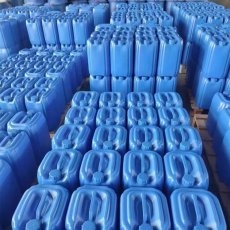
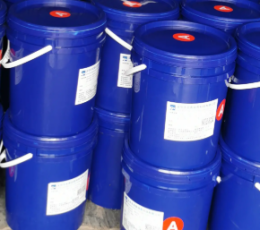
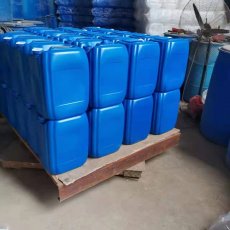
The precision casting grade silica sol has a solid content of 30.0%±0.5%, pH value of 9.2±0.3, average particle size of 15nm±3nm, kinematic viscosity of ≤4.5mPa·s at 25℃, and density of 1.20g/cm³±0.02. The total heavy metal content (calculated as Pb) is ≤8ppm, and the arsenic content is ≤2ppm. It is available in two packaging specifications: 25kg food-grade plastic drums and 1000kg IBC intermediate bulk containers. The storage temperature should be controlled between 5℃ and 35℃, avoiding exposure to sunlight and freezing. It has a shelf life of 12 months and has passed the ISO 9001 and ISO 14001 certifications, ensuring consistent product quality and environmental protection performance.
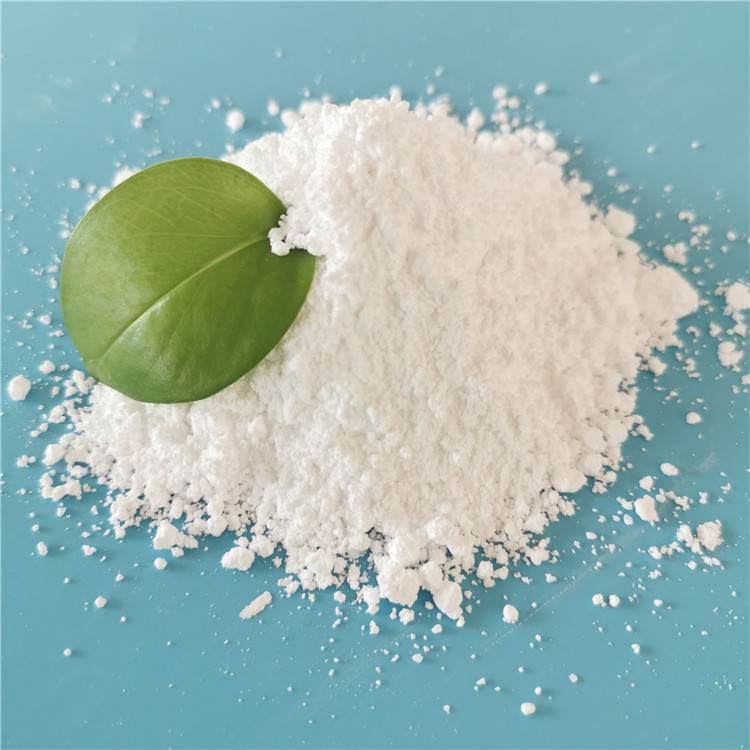
This silica sol is mainly used as a binder for refractory surface coatings in the precision investment casting industry, and is also suitable for the bonding of refractory bricks, thermal insulation materials and ceramic fiber products. It is widely used in the production of high-precision components such as aerospace turbine blades, auto crankshafts, hardware molds and medical equipment parts, improving the surface quality and dimensional accuracy of finished products. In addition, it can also be used in the production of ceramic fibers and refractory insulation materials to enhance their mechanical strength and high-temperature resistance, meeting the performance requirements of high-temperature industrial kilns and thermal equipment.










 Post RFQ


 Chat
Chat


 ALL CATEGORIES