

Unlike polyethylene and polypropylene waxes, montan wax has higher polarity, enabling better compatibility with both polar and non-polar resin systems, making it suitable for a wide range of applications. It can improve the melt flowability of rubber compounds, reducing the energy consumption of mixing and processing. In road marking paint, it acts as a wear-resistant agent and anti-sliding agent, improving the service life of the marking line and visibility in rainy weather. It also has excellent anti-sticking performance for rubber products, preventing the adhesion between rubber parts during storage and transportation. The micronized form ensures uniform dispersion in various systems, avoiding surface defects caused by agglomeration.
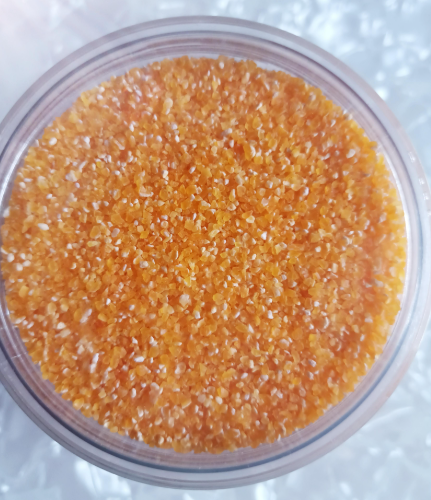
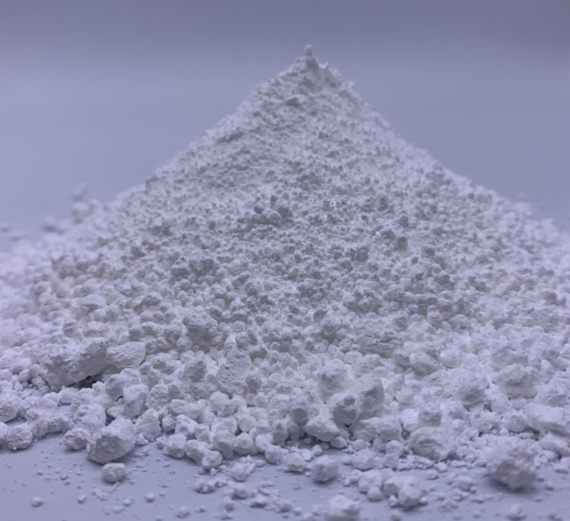
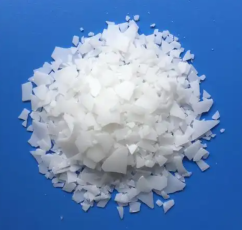
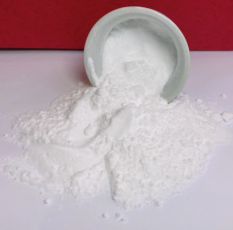
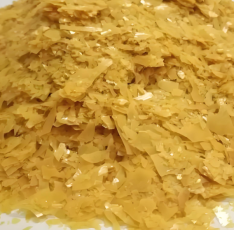
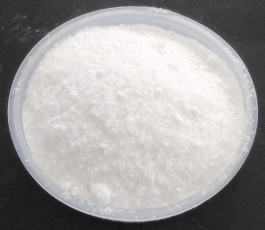
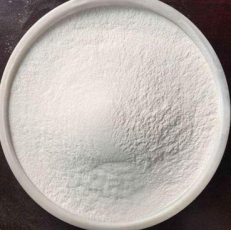
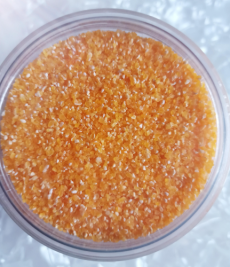
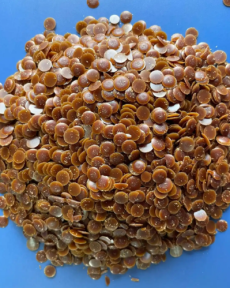
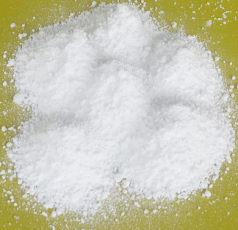
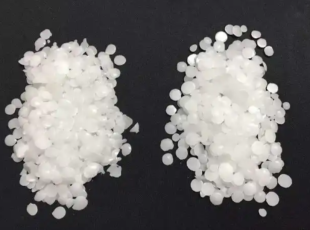
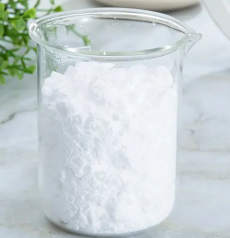
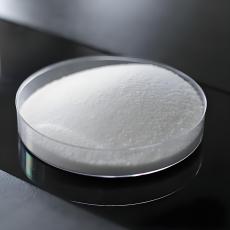
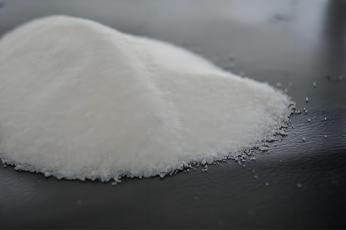
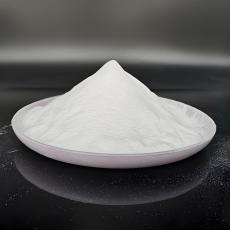
The product has a particle size distribution with D50 ranging from 5 to 7μm and D90 no more than 18μm, with a melting point between 75 and 85℃. Its acid value is 15 to 25 mg KOH/g, saponification value is 100 to 130 mg KOH/g, and density is 1.00 to 1.03 g/cm³. Volatile matter content is ≤0.1% after heating at 105℃ for 2 hours, with a moisture content ≤0.05%. It appears as a dark yellow, free-flowing fine powder, with no visible impurities. Standard packaging is 25kg waterproof kraft paper bags, with custom bulk packaging options available.
This micronized montan wax is mainly used as a processing aid in rubber product production, improving the melt flowability of rubber compounds and reducing processing energy consumption. It is also applied in road marking paint, improving the wear resistance and anti-sliding performance of the marking line, extending the service life of the road markings. Additionally, it can be used as a surface modifier for plastic products, improving the scratch resistance and weather resistance of the product surface. It is suitable for rubber product manufacturers, road marking paint enterprises, plastic processing factories, and other related industries.







 Post RFQ


 Chat
Chat


 ALL CATEGORIES