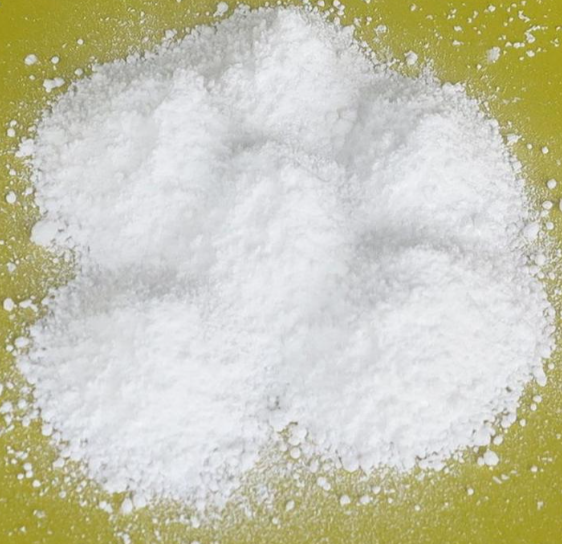
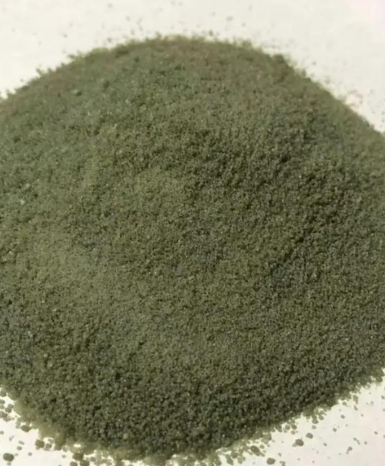


Adopting closed-loop gas-phase micronization technology, this product features narrow particle size distribution. It can quickly migrate to the melt surface during plastic extrusion processing, reducing friction coefficient between screw and materials, and increasing demolding speed by over 30%. In water-based coatings, it forms a dense hydrophobic protective film to improve scratch resistance, coating hardness, and gloss retention. Unlike standard polyethylene wax, this micronized version has excellent dispersibility, avoiding agglomeration-induced coating defects, and is free of harmful heavy metals, meeting EU REACH and FDA food contact safety standards.
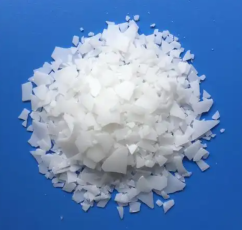
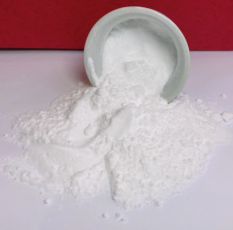
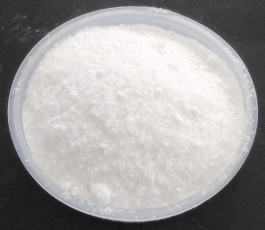
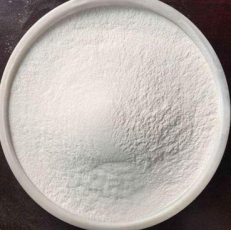
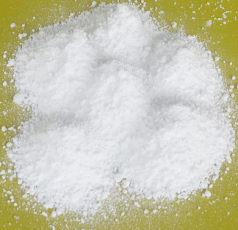
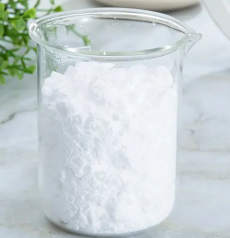
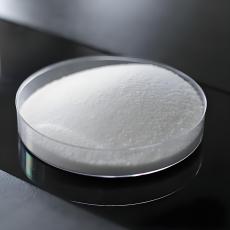
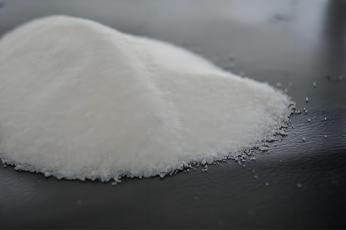
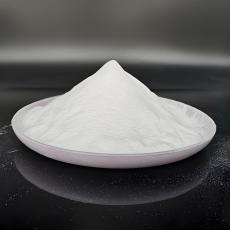
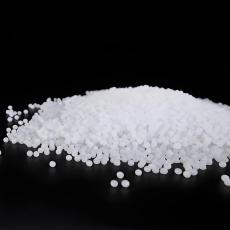
The product has a particle size distribution with D50 ranging from 4 to 6μm and D90 no more than 16μm, with a melting point between 105 and 115℃. At 25℃, its penetration is 2.0 to 4.0 dmm, with an acid value of less than 0.5 mg KOH/g and volatile matter content ≤0.1% after heating at 105℃ for 2 hours. The density is 0.95 to 0.97 g/cm³, with a moisture content ≤0.05%. It appears as a pure white, non-caking fine powder, with a flash point of at least 250℃. Standard packaging is 25kg waterproof kraft paper bags, with custom 1000kg pallet packaging available for bulk orders.
This micronized HDPE wax powder is widely used in extrusion processing of PVC plastic profiles and sheets, acting as an internal lubricant to reduce processing energy consumption. It also serves as a scratch-resistant additive in water-based wood coatings and industrial coatings, improving the wear resistance level of the coating film. Additionally, it can be applied in printing ink systems to enhance printing gloss and anti-blocking performance. It is suitable for plastic modification plants, coating production enterprises, packaging and printing manufacturers, and other scenarios, especially for high-end plastic products and coating products with high surface finish requirements.







 Post RFQ


 Chat
Chat


 ALL CATEGORIES