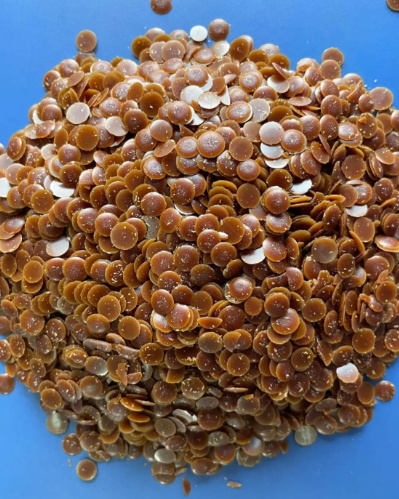
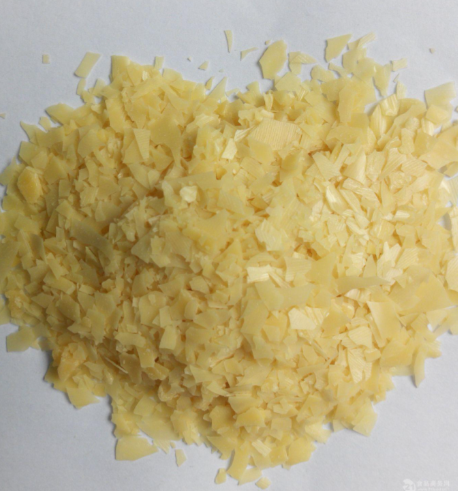


As a natural plant-based wax, this product is meets food and pharmaceutical safety standards, including FDA 21 CFR and Halal/Kosher certifications. Its micronized form ensures fast and uniform dispersion in food and pharmaceutical systems, without leaving visible particles on the surface of finished products. It forms a thin, high-gloss protective film on the surface of candies, chocolate, and pharmaceutical tablets, effectively blocking moisture and oil penetration, extending the shelf life of products, and preventing sticking between products. Compared to liquid carnauba wax, this micronized version has better storage stability and easier dosing, reducing waste during production.
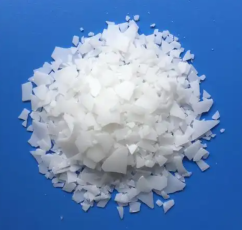
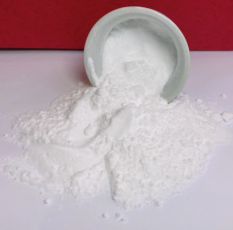
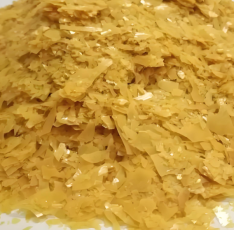
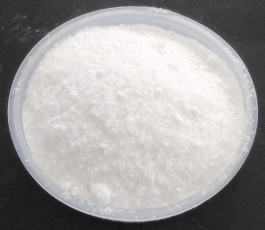
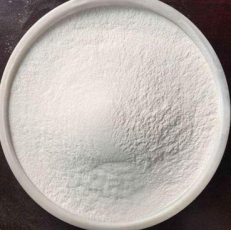
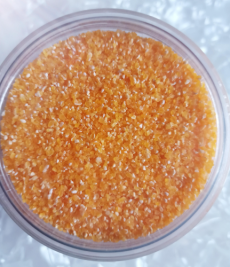
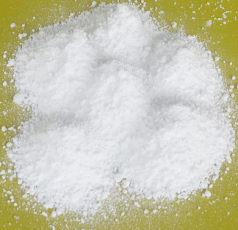
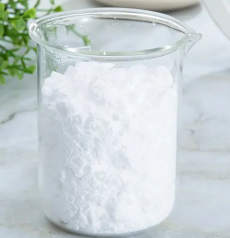
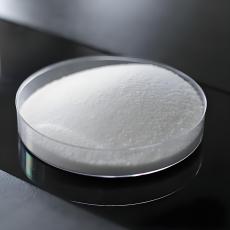
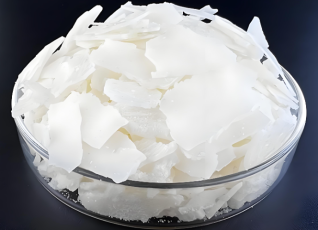
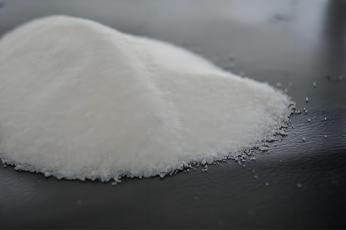
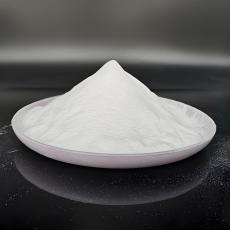
The product has a particle size distribution with D50 ranging from 8 to 12μm and D90 no more than 25μm, with a melting point between 82 and 86℃. Its acid value is 7 to 9 mg KOH/g, saponification value is 78 to 88 mg KOH/g, and density is 0.99 to 1.01 g/cm³. Volatile matter content is ≤0.2% after heating at 105℃ for 2 hours, and heavy metal content is ≤10 ppm, meeting FDA food safety limits. It appears as a light yellow, free-flowing fine powder, with no visible impurities. Standard packaging is 10kg food-grade aluminum foil bags, with custom small packaging options available for small-batch users.
This food-grade micronized carnauba wax is mainly used as a glazing agent for confectionery products such as candies, chocolate, and chewing gum, forming a bright, durable protective film to improve the appearance and shelf life of products. It is also used as a coating agent for pharmaceutical tablets, preventing moisture absorption and improving the appearance of tablets. Additionally, it can be applied to food packaging materials to improve water resistance and scratch resistance of the packaging film. It is suitable for confectionery manufacturers, pharmaceutical coating enterprises, food packaging factories, and other food and pharmaceutical related industries.







 Post RFQ


 Chat
Chat


 ALL CATEGORIES