

Compared to non-oxidized polypropylene wax, this oxidized version has higher acid value and polarity, enabling better compatibility with water-based and polar resin systems, solving the common problem of poor dispersibility of non-polar wax in water-based formulations. During plastic masterbatch processing, it acts as a dispersing agent to improve the dispersion of pigments and fillers, reducing pigment agglomeration and improving the color uniformity of finished products. It also provides excellent anti-blocking performance for packaging films, and its high melting point ensures stable performance in high-temperature processing scenarios, without decomposing or releasing harmful substances.
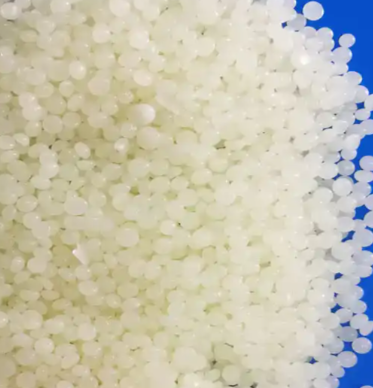
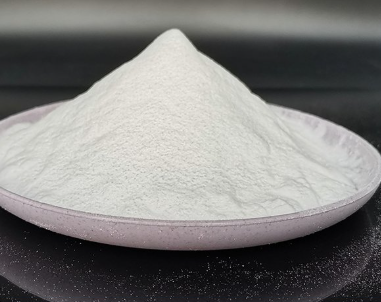
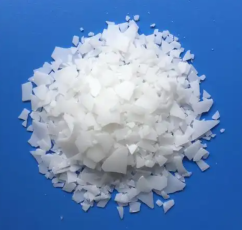
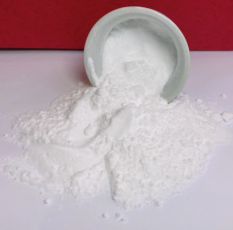
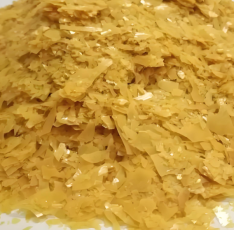
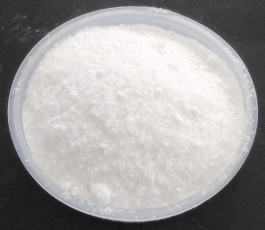
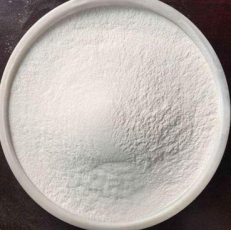
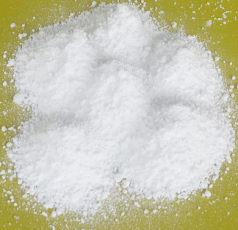
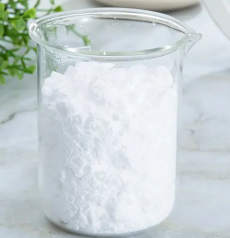
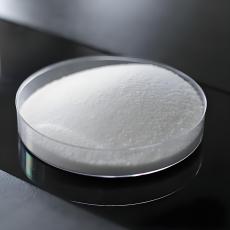
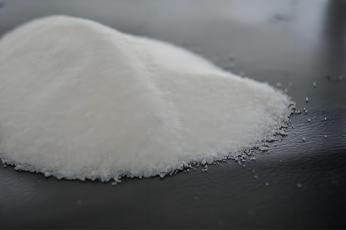
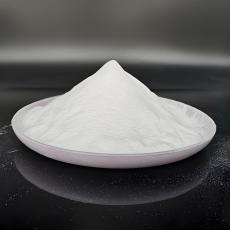
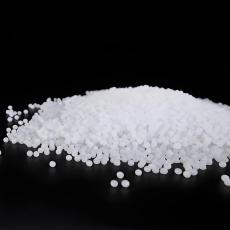
The product has a particle size distribution with D50 ranging from 3 to 5μm and D90 no more than 12μm, with a melting point between 145 and 155℃. At 25℃, its penetration is 1.5 to 3.0 dmm, with an acid value of 12 to 18 mg KOH/g and volatile matter content ≤0.1% after heating at 105℃ for 2 hours. The density is 0.91 to 0.93 g/cm³, with a moisture content ≤0.05%. It appears as a light yellow, free-flowing fine powder, with a flash point of ≥260℃. Standard packaging is 25kg polypropylene woven bags, with custom bulk packaging options available.
This micronized oxidized PP wax is mainly used as a dispersing agent in plastic masterbatch production, improving the dispersion effect of pigments and inorganic fillers, and enhancing the color stability of masterbatch products. It is also applied in water-based adhesives and textile coatings, improving the adhesion between the adhesive and base material, as well as the scratch resistance of the coating film. Additionally, it can be used as an anti-blocking agent for plastic packaging films, reducing the adhesion between stacked films. It is suitable for plastic masterbatch manufacturers, water-based adhesive enterprises, textile coating factories, and other related industries.







 Post RFQ


 Chat
Chat


 ALL CATEGORIES