




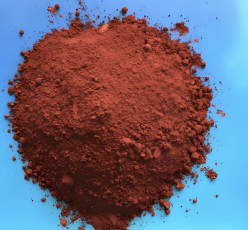

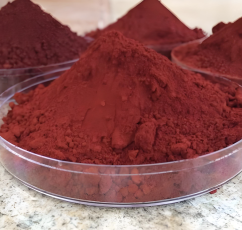


This nano magnesium oxide is produced by liquid phase precipitation and calcination process, with an average particle size of 25 nanometers (0.000025 millimeters) and a specific surface area of 180 m²/g. Its photocatalytic degradation rate for formaldehyde is 60% higher than ordinary magnesium oxide, which can effectively degrade harmful gases such as formaldehyde and benzene in the air. It has excellent thermal conductivity of 32 W/(m·K), which can be used to prepare high thermal conductive plastic composite materials, and has good antibacterial properties with a bacteriostatic rate of 99.9% against Escherichia coli.
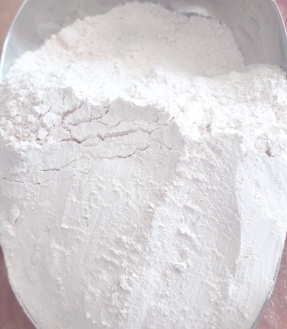
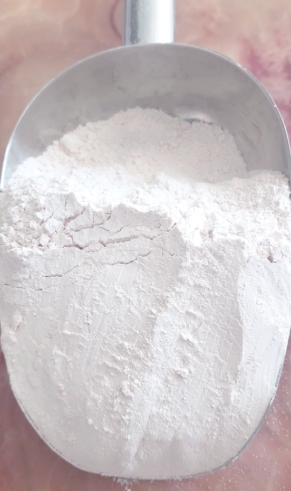
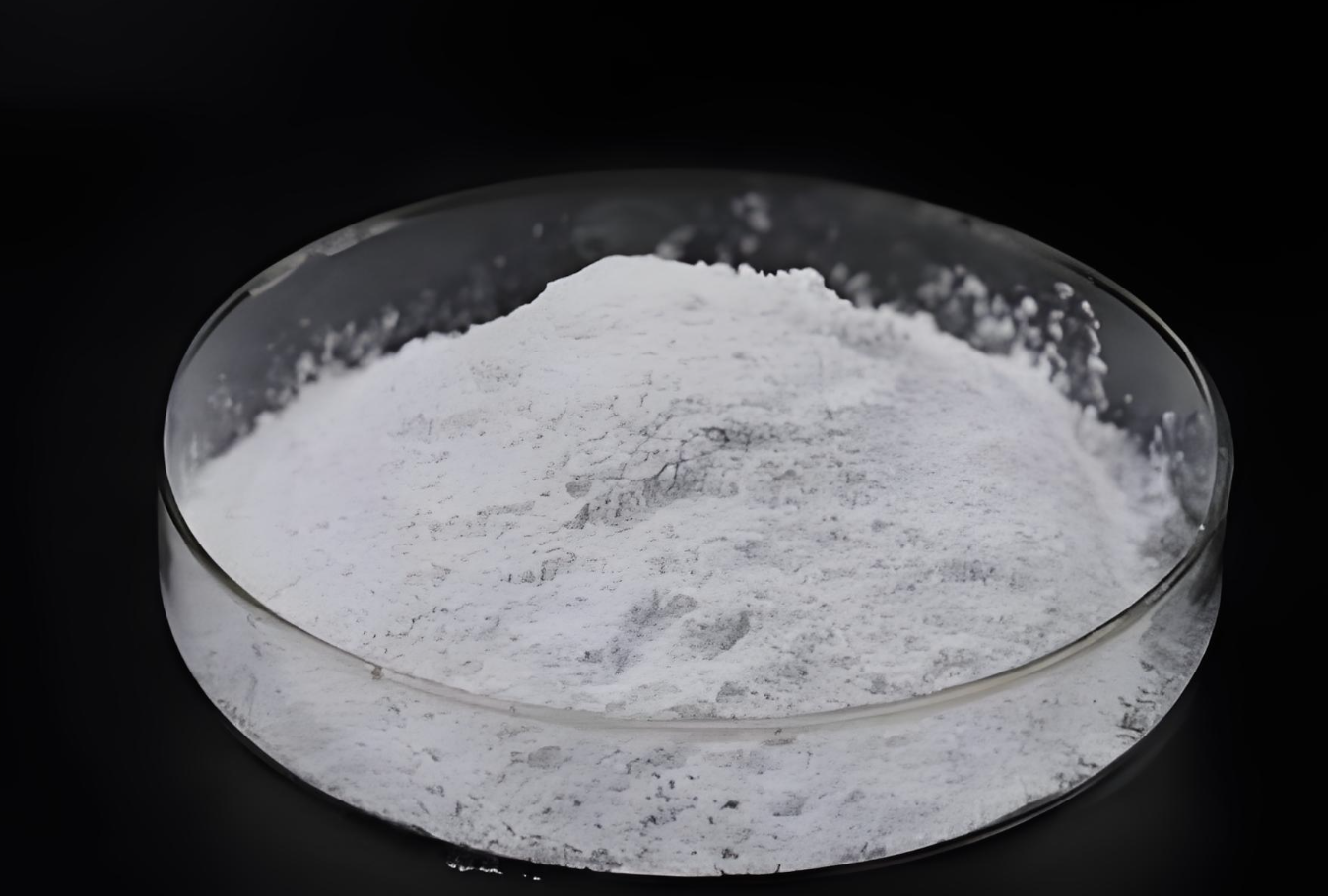
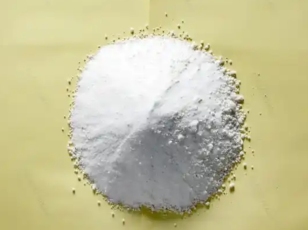
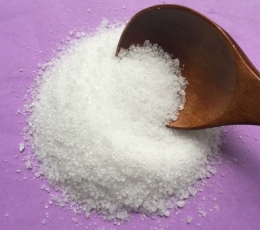
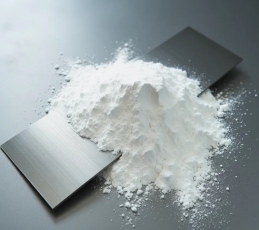
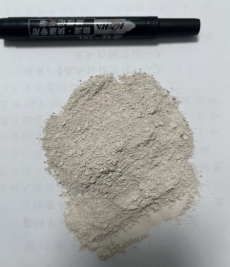
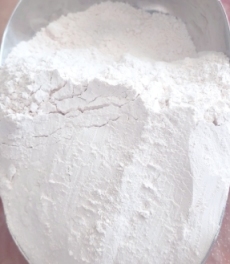
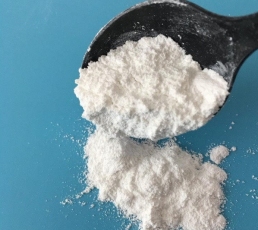
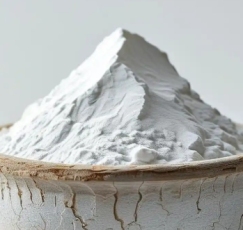
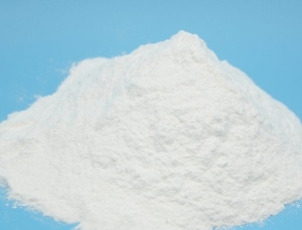
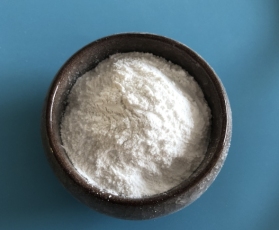
This product has a minimum purity of 99.8%, average particle size of 0.000025 millimeters, specific surface area of 180 m²/g, tap density of 0.15 g/cm³. It appears as white nano powder, with CAS number 1309-48-4. Each package is 1kg per bottle, with a shelf life of 24 months under dry storage conditions. Its photocatalytic degradation rate for formaldehyde reaches more than 95%, and thermal conductivity is 32 W/(m·K), meeting the performance requirements of high-tech functional materials.
This nano magnesium oxide is mainly used in antibacterial coatings, air purification materials, high thermal conductive plastic composite materials, lithium battery electrode additives and photocatalytic water treatment agents. It is especially suitable for emerging industries such as high-end environmental protection materials, new energy and electronic information, which can greatly improve the functional performance and added value of products. It can be used in the production of high-performance antibacterial materials and new energy battery materials, meeting the requirements of high-tech manufacturing.







 Post RFQ


 Chat
Chat


 ALL CATEGORIES