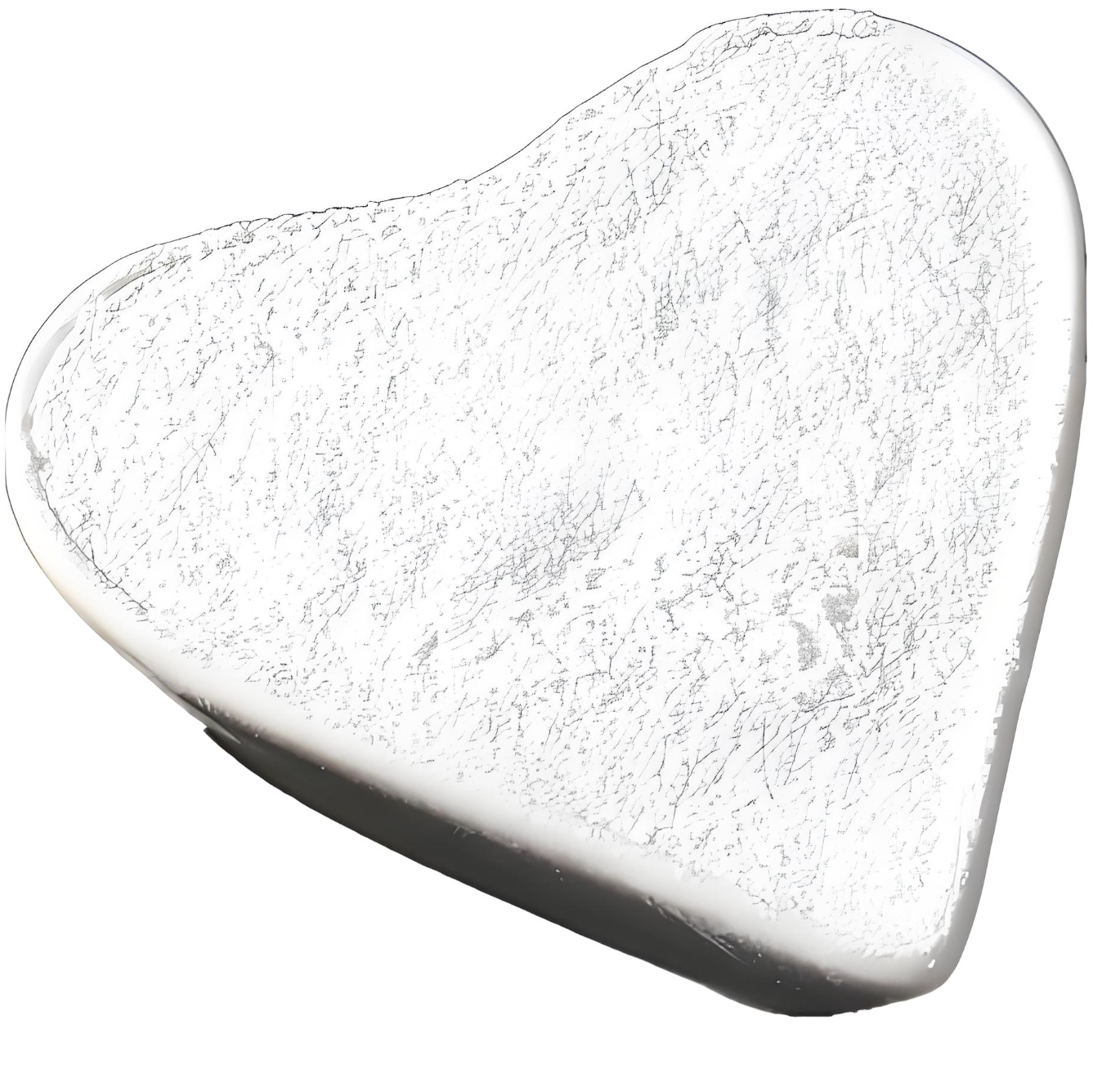






This stabilizer adopts a composite system of composite zinc carboxylate and calcium soap, paired with a dedicated antioxidant compound component. Compared with traditional single-component calcium zinc stabilizers, its thermal stability time is increased by more than 20%, maintaining a stable duration of 65 minutes at a processing temperature of 180°C, effectively solving the problems of yellowing and black spots that are prone to occur in food-grade PVC processing. Its ultra-low volatile matter content can avoid air holes or surface defects in products, and the lead-free and cadmium-free environmental protection formula will not migrate harmful heavy metals to food. At the same time, its excellent resin compatibility ensures that the mechanical properties of the products are not affected, and will not reduce the tensile strength and toughness of PVC products. It is compatible with all kinds of food-grade PVC processing equipment, simplifying the production process and reducing the cost of compliance testing.
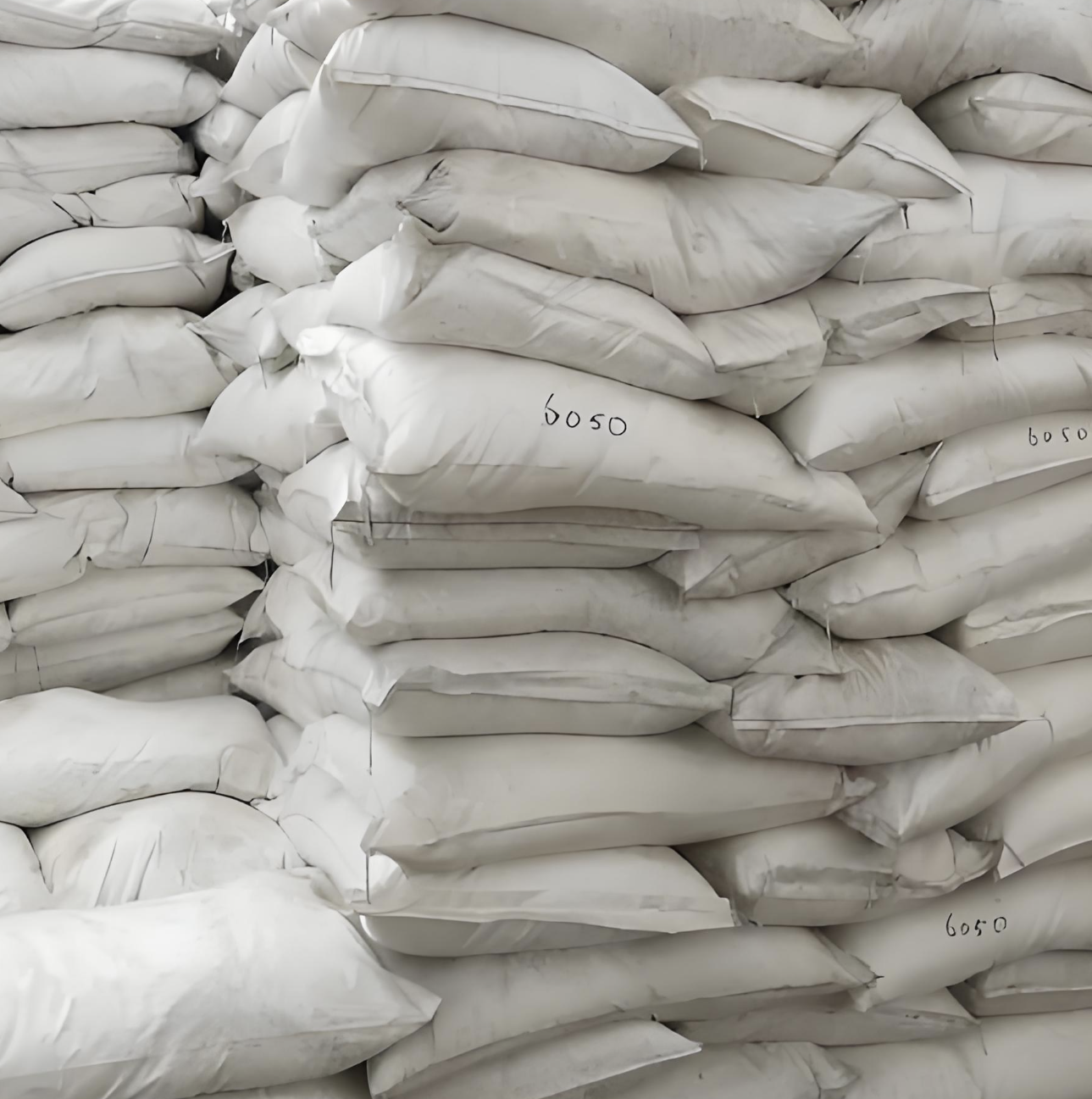
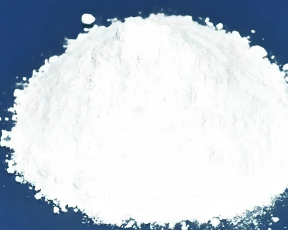
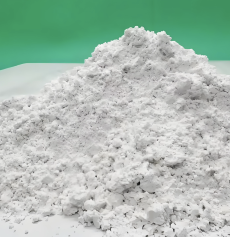
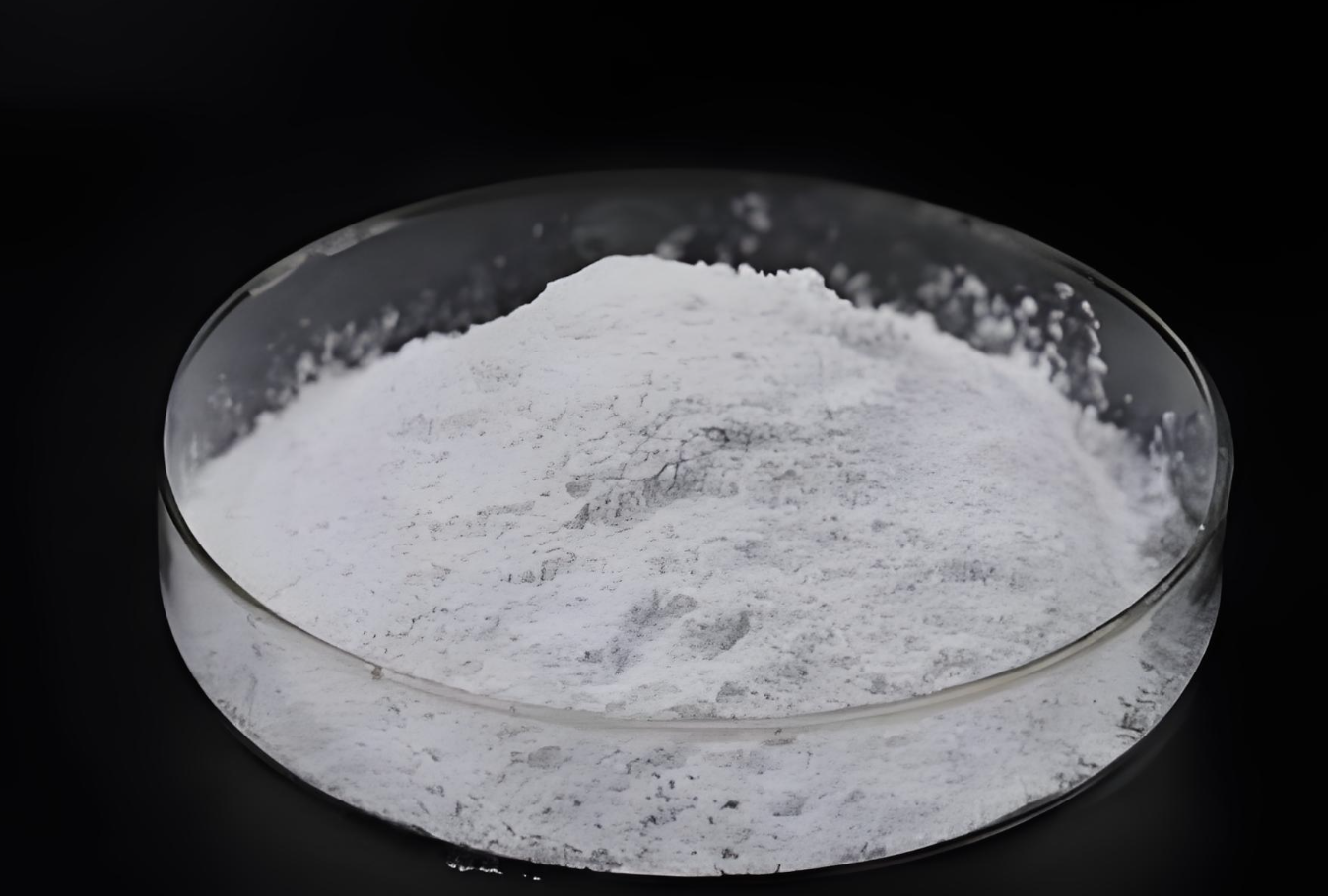
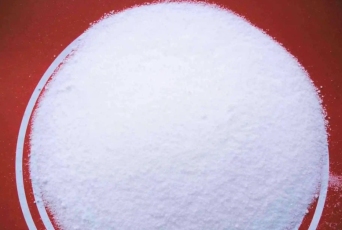
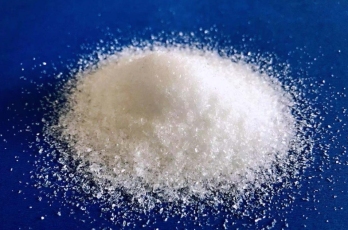
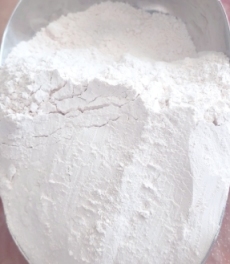
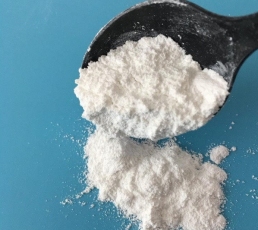
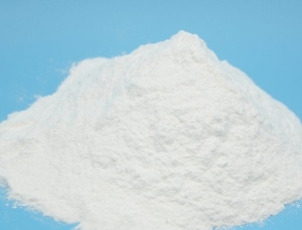
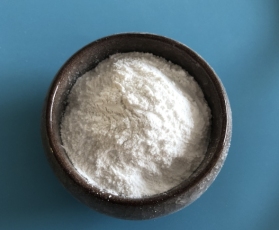
This product appears as a white ultra-fine powder, with an active ingredient content of ≥98.5%, volatile matter content ≤0.3%, density of 1.28 g/cm³, particle size distribution D90 ≤15μm, and lead and cadmium heavy metal content of 0ppm. The recommended addition amount is 2.5-3.5 phr (per hundred parts of resin). It is packaged in 25kg waterproof paper bags, with a shelf life of 12 months. It needs to be stored in a cool and dry place, avoiding direct sunlight and high-temperature environments. During transportation, it should be protected from rain and moisture to prevent product agglomeration, which will affect the use effect.
It is mainly used in direct food-contact PVC products, including food fresh-keeping packaging films, disposable plastic tableware, food storage boxes, beverage bottle label films, etc. It has passed strict testing of FDA 21 CFR Part 177.1550 and GB 4806.10-2016, and can meet the food contact safety requirements of domestic and foreign markets. It is compatible with various PVC processing technologies such as injection molding, extrusion, and blow molding, helping production enterprises avoid compliance risks caused by excessive heavy metals and improving the market competitiveness of their products.







 Post RFQ


 Chat
Chat


 ALL CATEGORIES