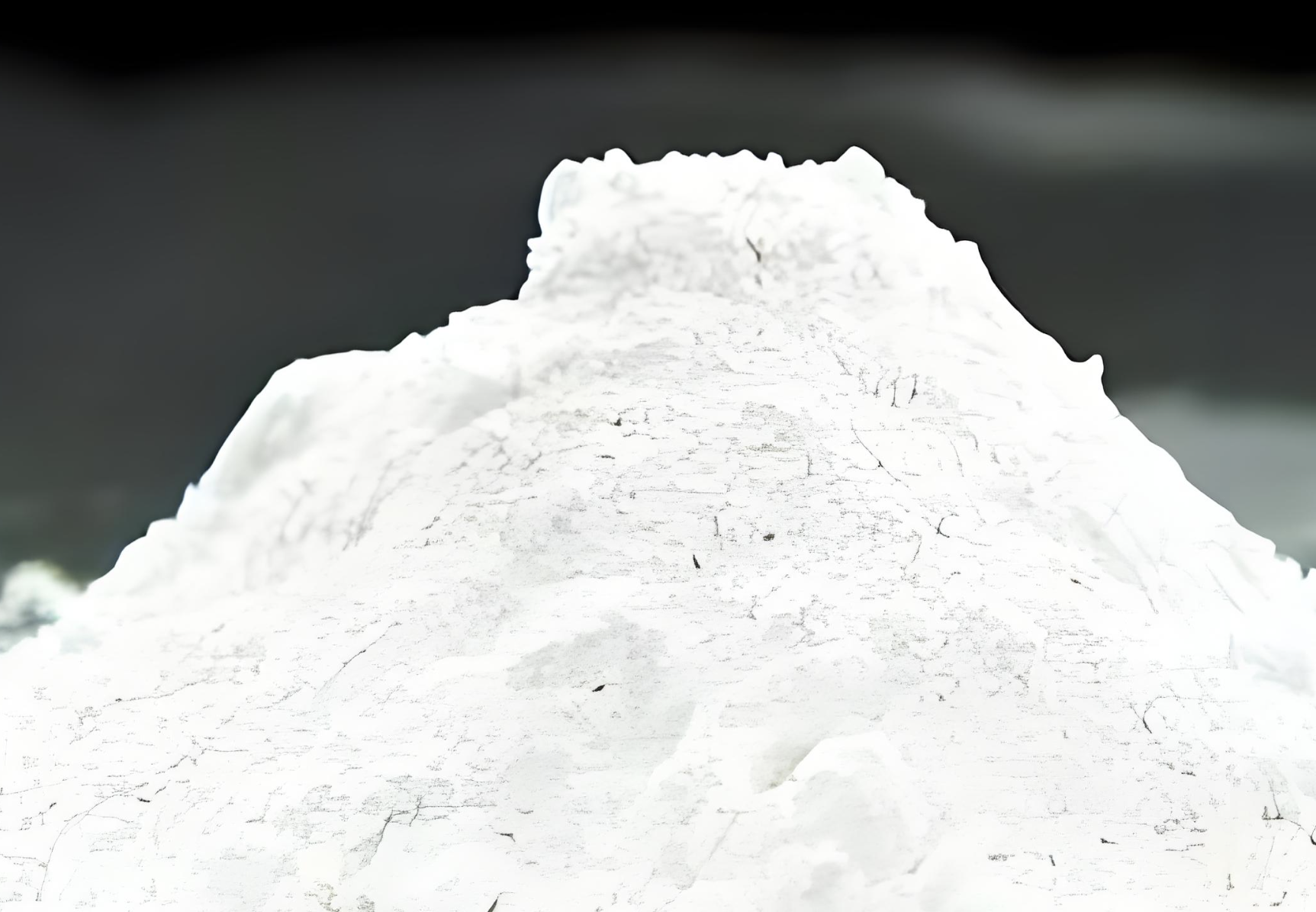
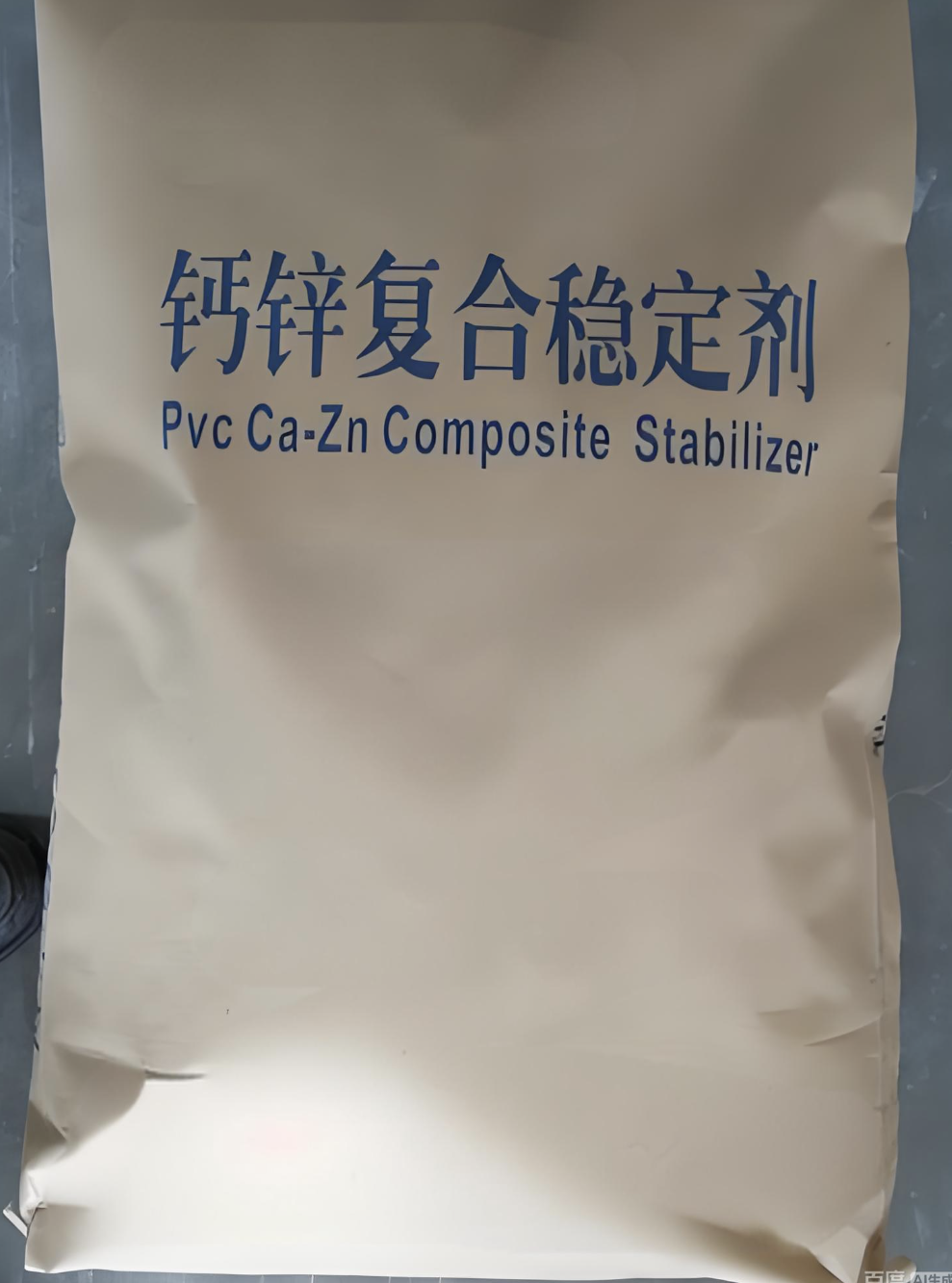





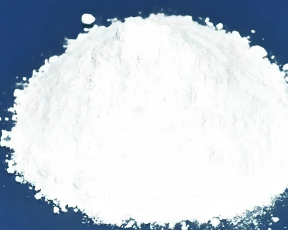
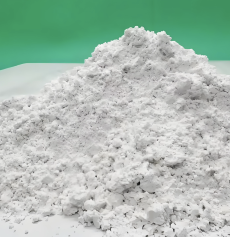

It adopts a high-temperature resistant composite calcium zinc soap salt and special β-diketone auxiliary stabilizer compound system, which can provide more than 50 minutes of thermal stability time at 190℃, effectively preventing CPVC/PVC resin from degrading during high-temperature processing. Compared with ordinary calcium zinc stabilizers, the heat distortion temperature of this product is increased by more than 20℃, and the impact strength retention rate of products after 1000 hours of heat aging is ≥90%, with excellent long-term heat resistance. It appears as granular, which is convenient for metering and adding, no dust pollution, improving the production workshop environment. It contains no heavy metal components, complies with RoHS environmental protection requirements, adapts to engineering grade PVC and CPVC resins, and can be used in combination with glass fiber and fillers to improve the comprehensive performance of engineering products.
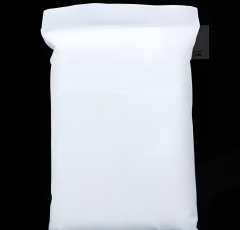
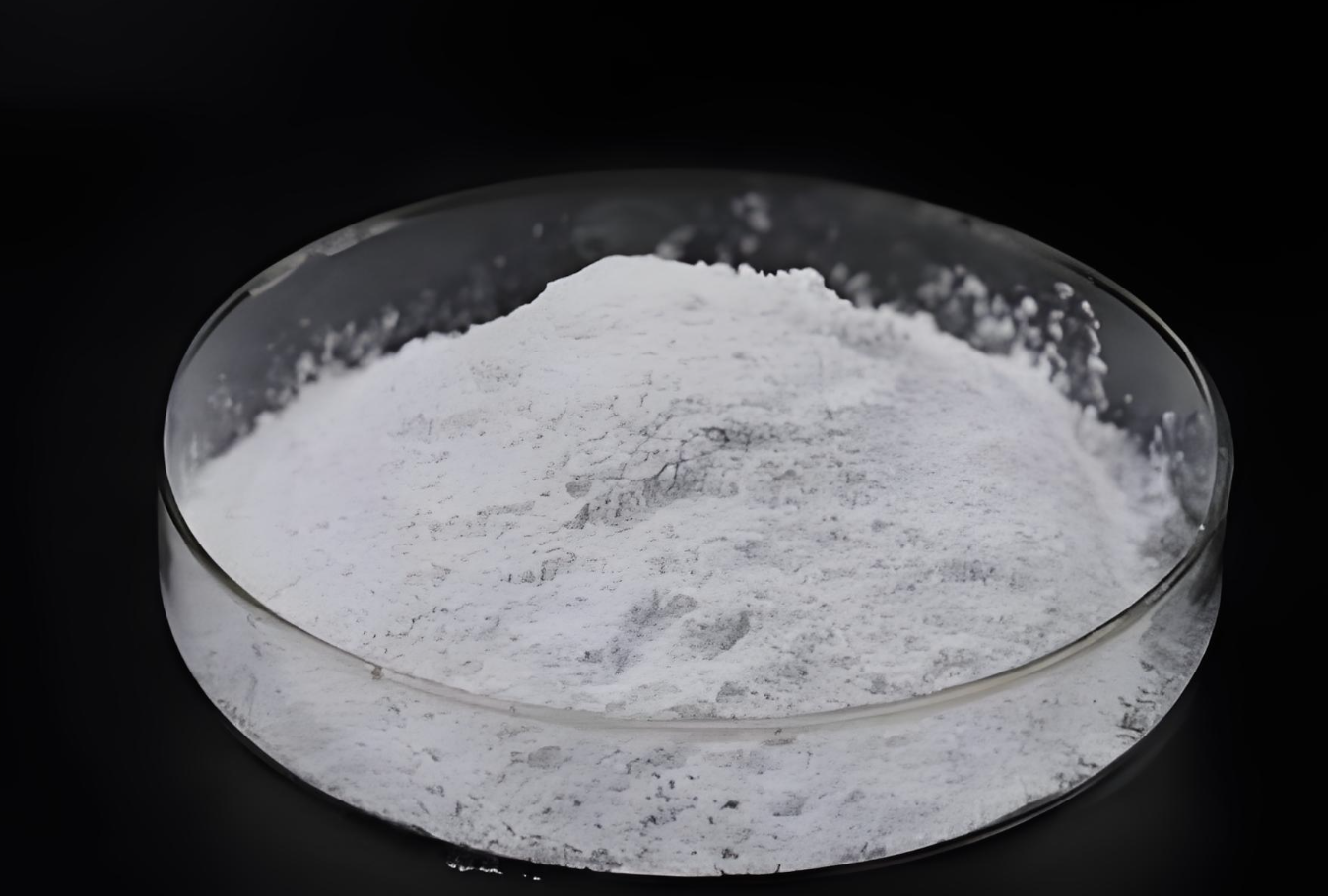
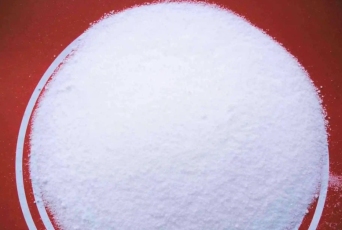
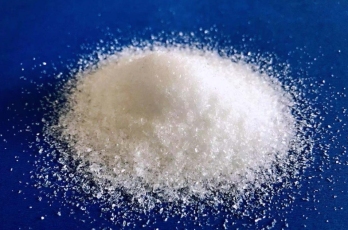
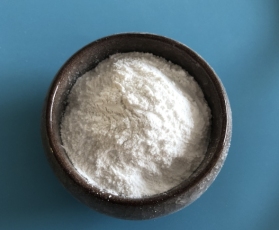
It appears as light yellow uniform particles with a particle size range of 0.5-1.0mm, which is convenient for automated metering and adding. The active ingredient content is ≥99.2%, volatile content ≤0.15%, with good storage stability. The thermal stability time is ≥50 minutes at 190℃, the heat distortion temperature is ≥120℃ (tested according to GB/T 1634), and the impact strength retention rate is ≥90% after 1000 hours of heat aging at 120℃. The processing temperature range is 180-220℃, adapting to twin-screw extruders, injection molding machines and other high-temperature processing equipment. It is packaged in 25KG moisture-proof PE bags + cartons, with a storage validity period of 18 months, and needs to be stored in a cool and dry environment.
It is suitable for CPVC high-temperature pipes, engineering PVC plates, automotive PVC parts, high-temperature pipeline systems and other PVC/CPVC products requiring long-term heat resistance. It adapts to processing technologies such as extrusion molding and injection molding, and can be used in combination with glass fiber and flame retardants to improve the heat resistance and mechanical properties of products, solving the problem of rapid failure of traditional stabilizers during high-temperature processing, providing reliable thermal stability guarantees for downstream engineering products.







 Post RFQ


 Chat
Chat


 ALL CATEGORIES