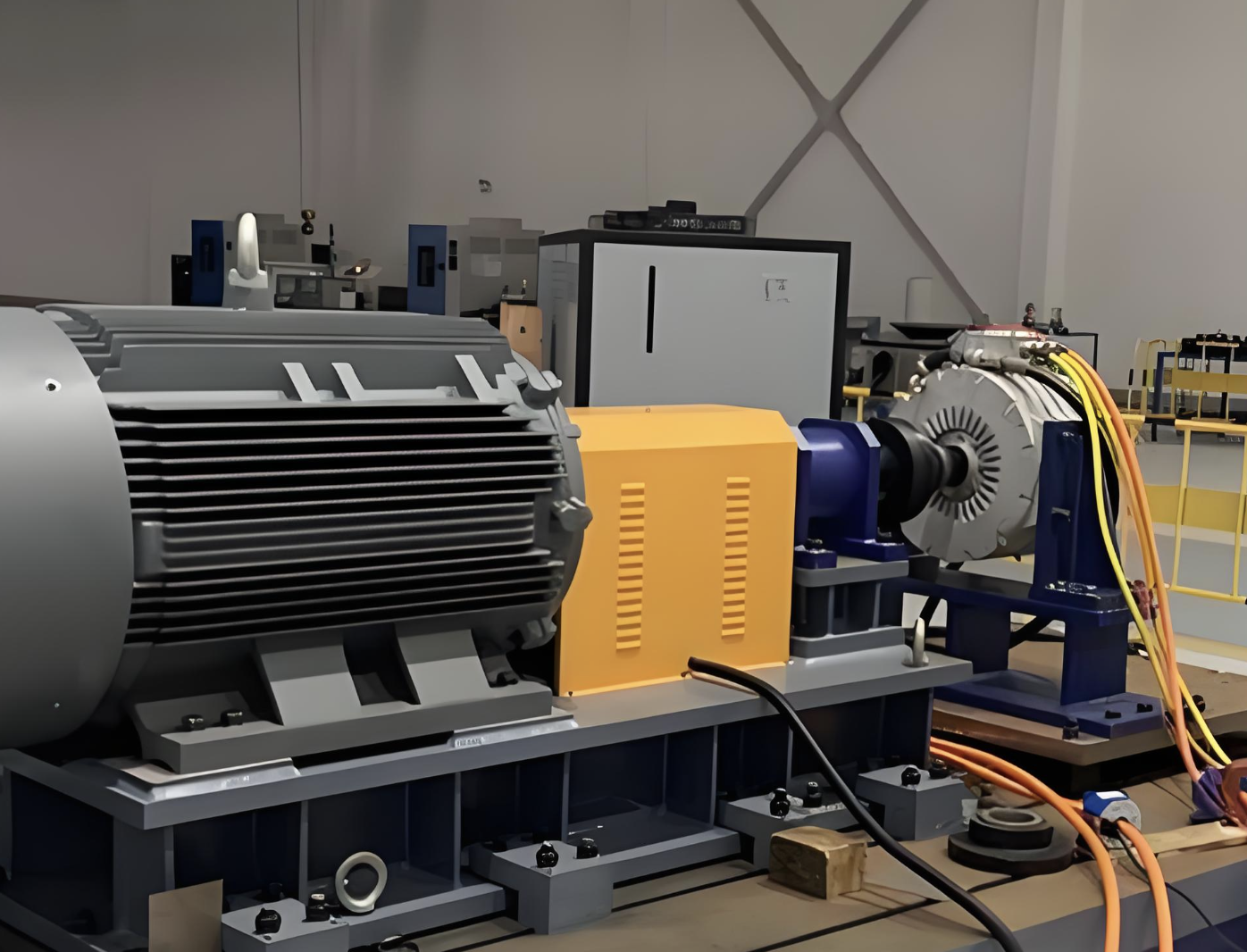
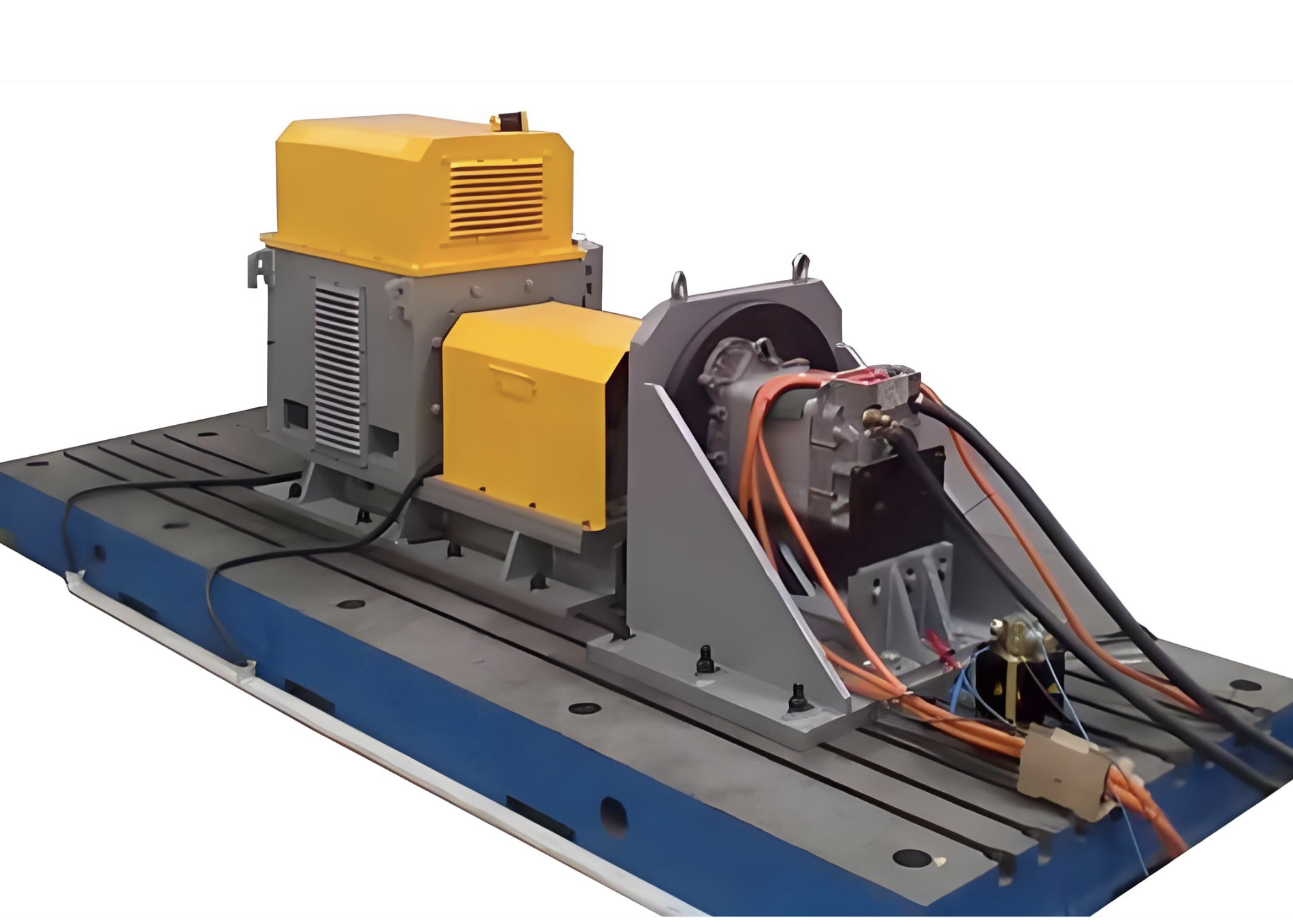





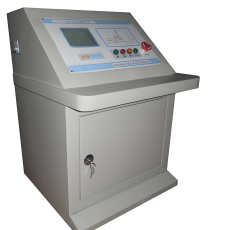
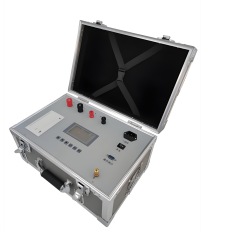
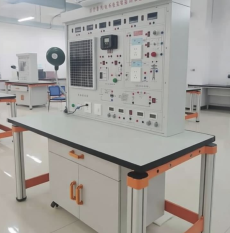
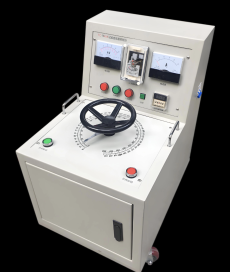
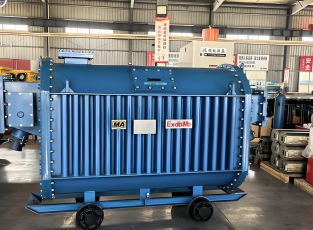
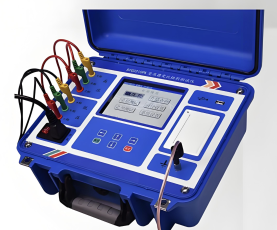

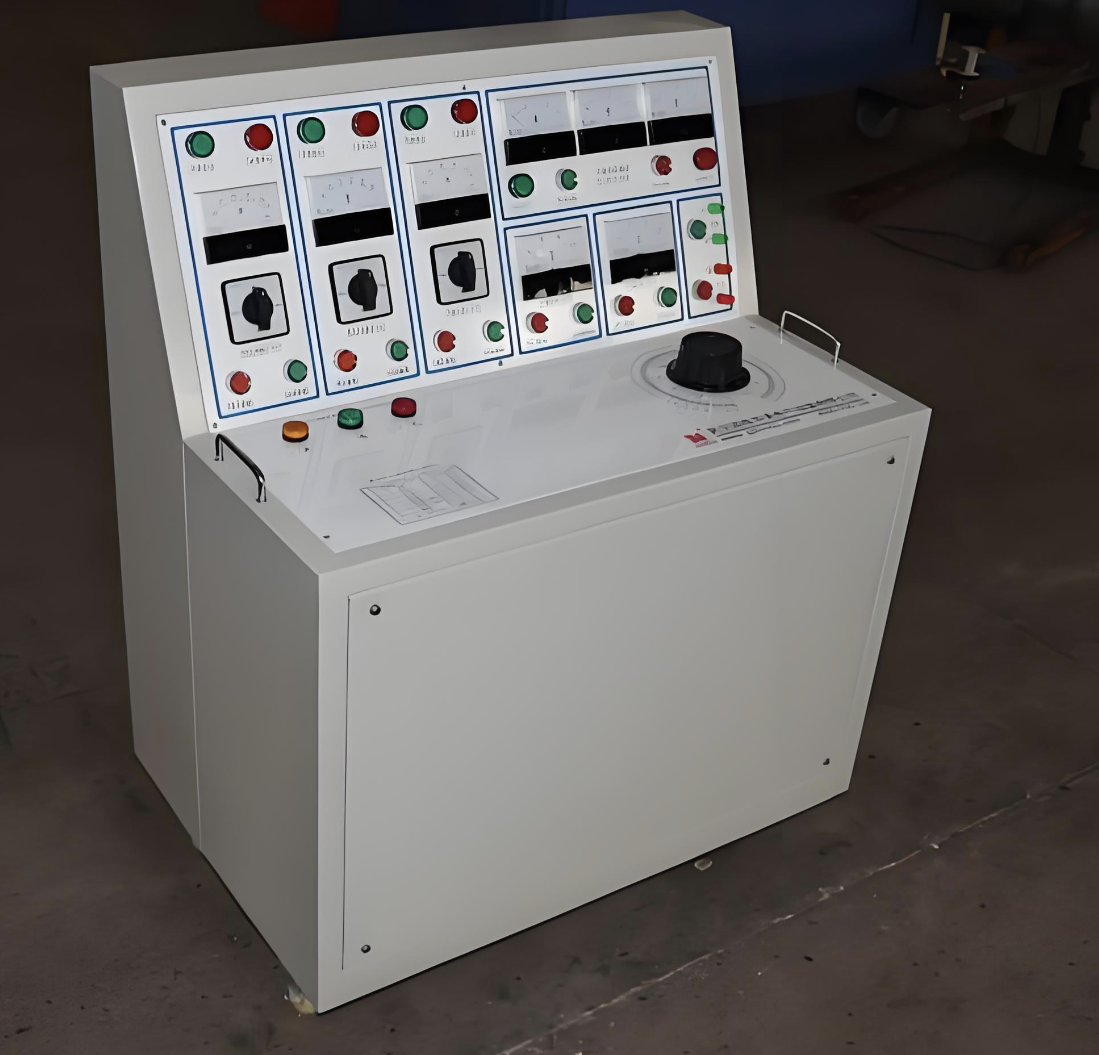
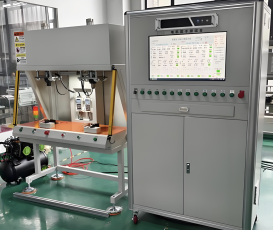
This test bench is specially developed for the characteristics of new energy vehicle auxiliary motors, and supports the testing of DC low-voltage motors and AC low-voltage motors. It integrates performance testing and durability testing functions, which can complete up to 100,000 cycle durability tests to simulate the actual service life of the motor. It has an IP65 protection level, which can be used in outdoor or harsh workshop environments. The built-in 48V lithium battery supports outdoor use without a fixed power supply, which is very suitable for on-site testing of new energy vehicle maintenance stores. It also supports Bluetooth data transmission, which can transmit test data to mobile devices in real time, facilitating on-site data viewing and analysis. It has passed CE and UL certifications, meeting the safety standards of the North American and EU markets.
The overall dimensions are 1200mm (length) × 800mm (width) × 1000mm (height), with a total weight of 350kg. The body is made of aluminum alloy material, which is lightweight and sturdy. It supports two power supply methods: 220V AC and built-in 48V lithium battery, and the battery can last for 8 hours of continuous testing. The test voltage range covers 0-480V DC and 0-240V AC, and it can test low-voltage motors up to 200kW. The test accuracy can reach ±0.3% of the reading accuracy, and the display resolution is 0.01V and 0.001A. It has a durability test function that supports up to 100,000 cycles, and is equipped with IP65 dustproof and waterproof performance. It is equipped with USB, Bluetooth and Ethernet interfaces, and has passed CE and UL safety certifications.
It is mainly suitable for new energy vehicle parts manufacturers, new energy vehicle maintenance stores, new energy vehicle testing stations and other scenarios. It can detect the performance parameters of new energy vehicle auxiliary motors such as air compressor motors, steering assist motors, including no-load current, rated power, rotational speed, insulation performance and other parameters, and can also complete durability tests to evaluate the service life of the motor. It can help manufacturers conduct quality inspection of auxiliary motors, and help maintenance stores quickly detect faults of new energy vehicle auxiliary motors, improving maintenance efficiency and accuracy.







 Post RFQ


 Chat
Chat


 ALL CATEGORIES