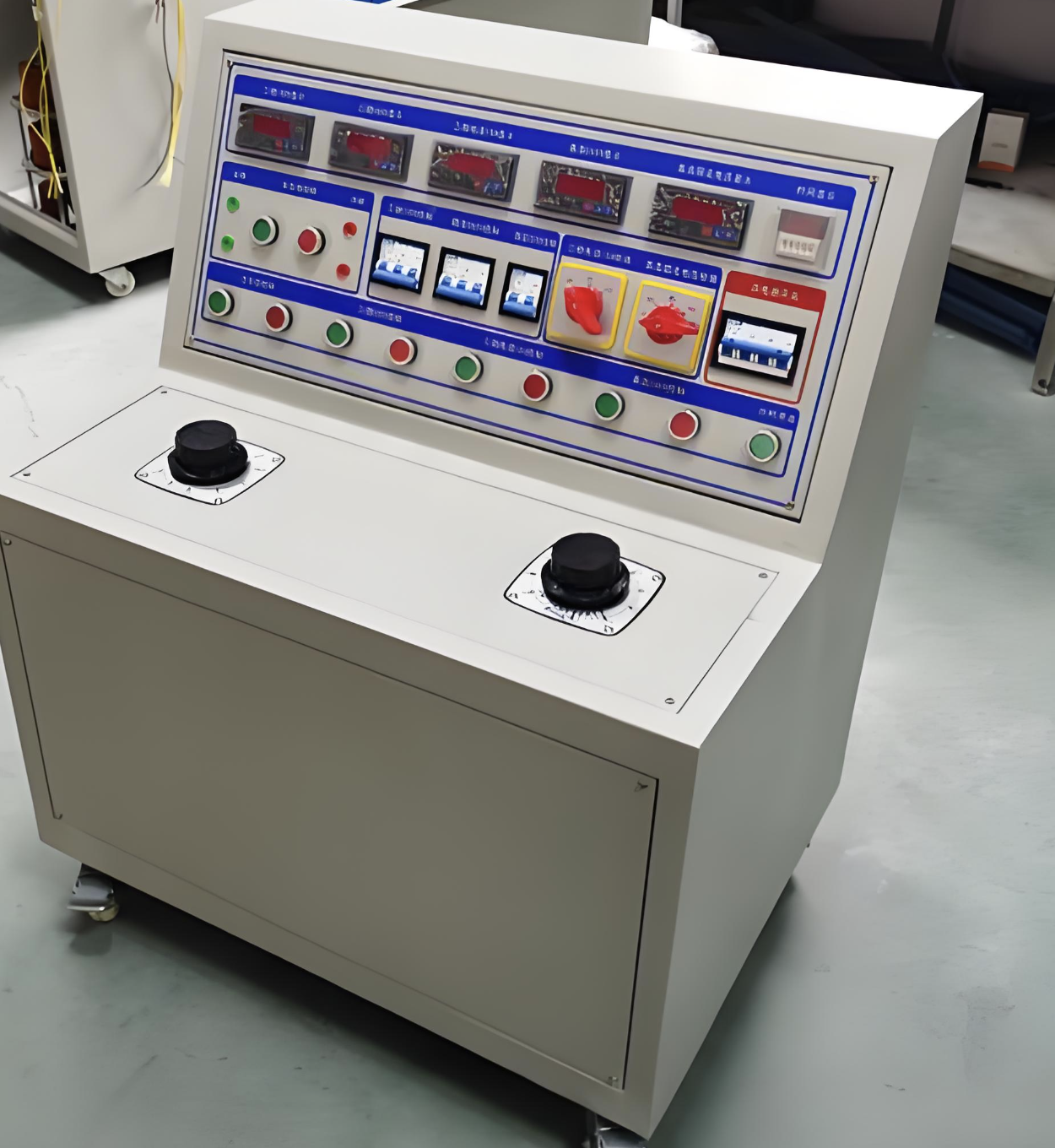
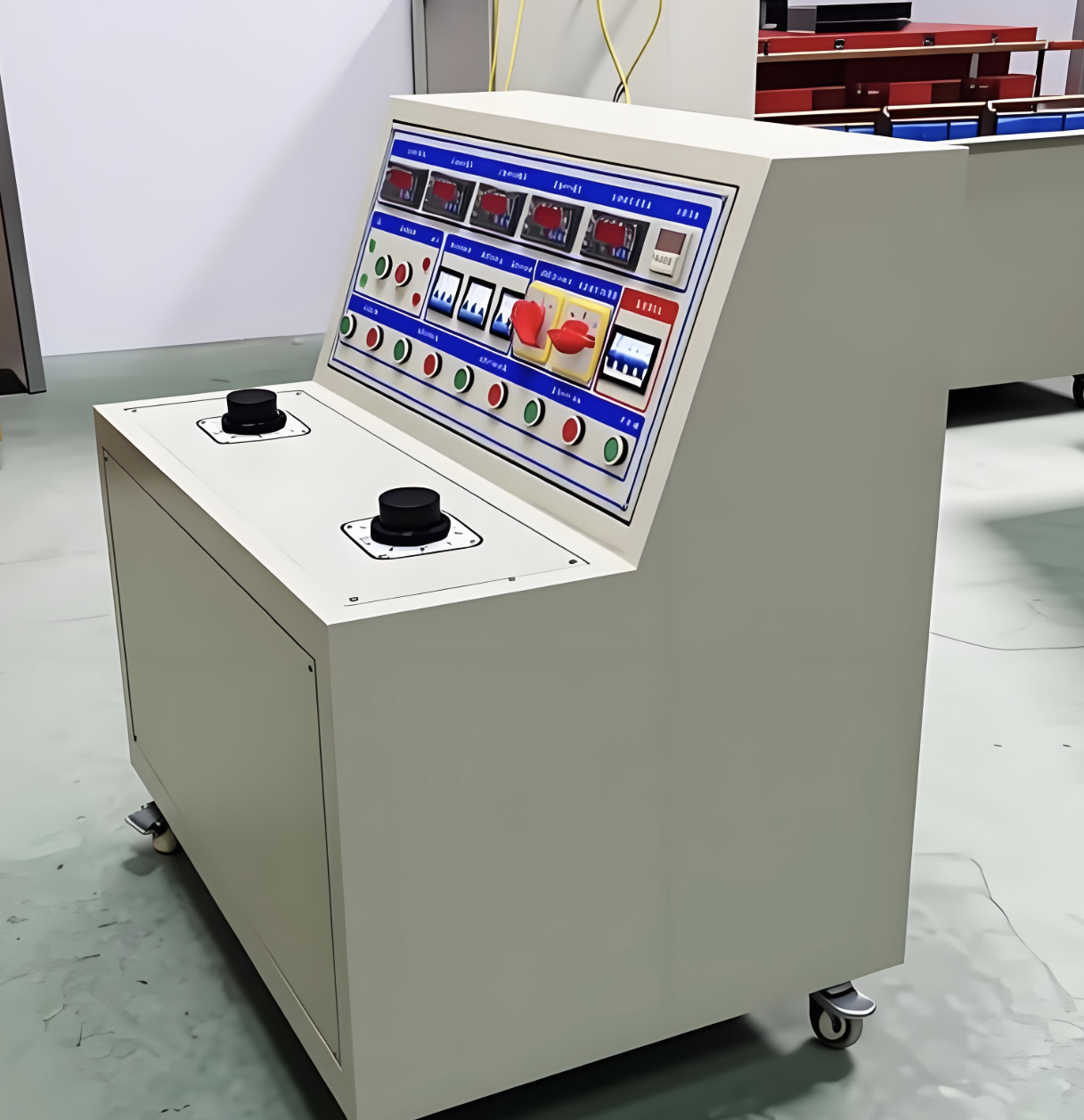





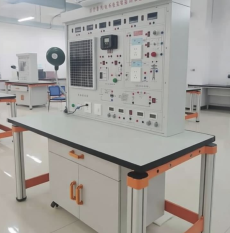
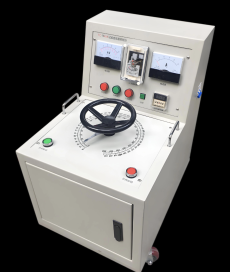
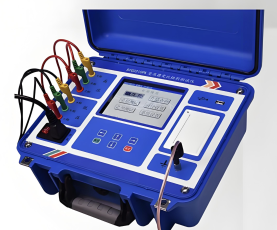

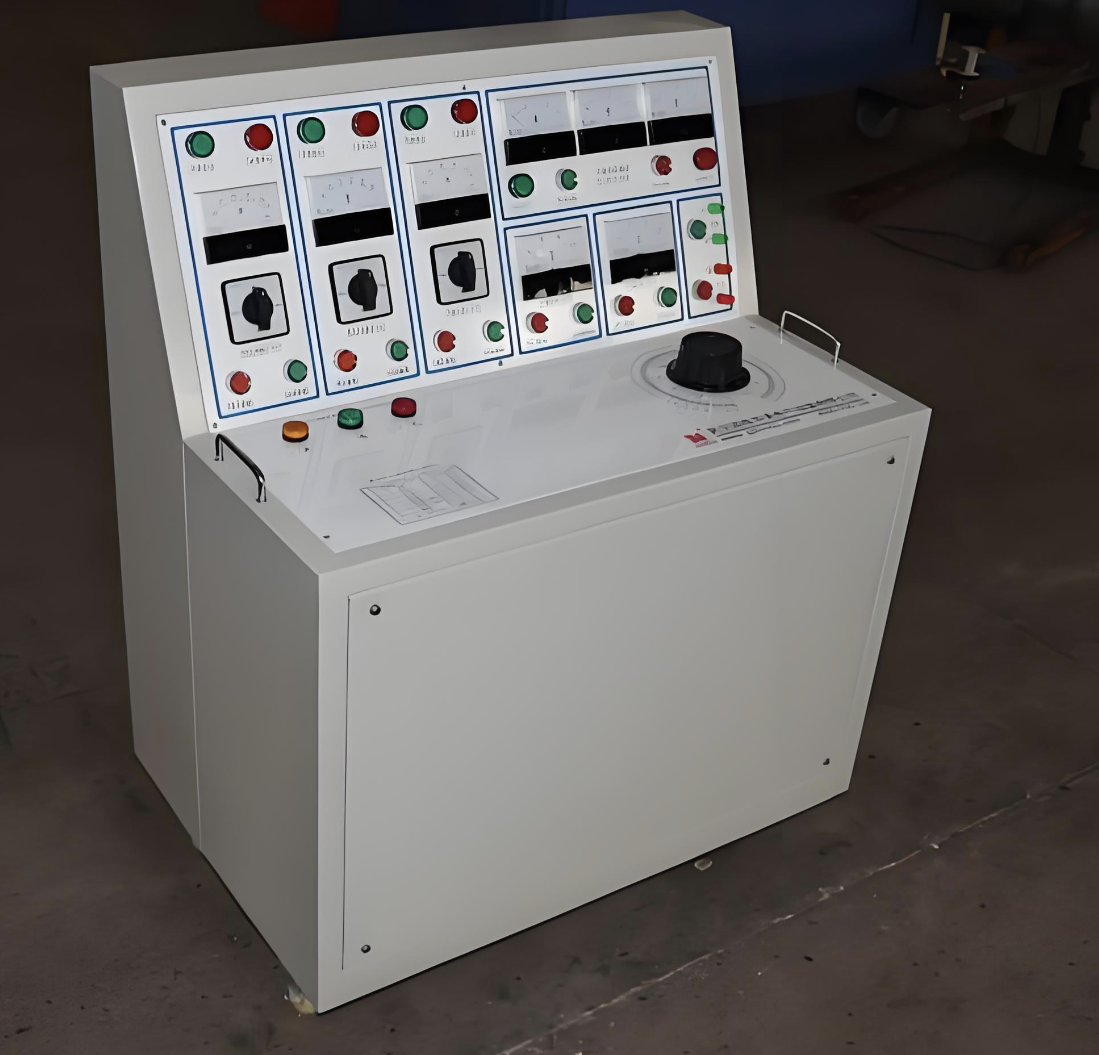
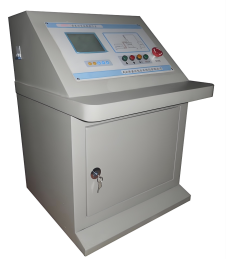
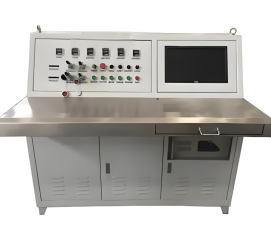
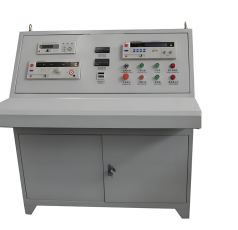
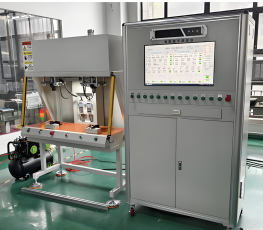
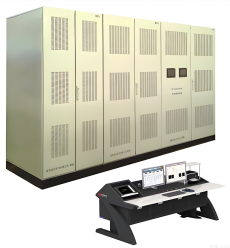
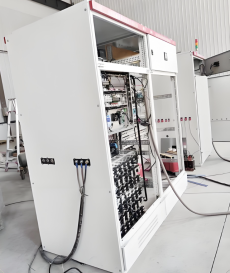
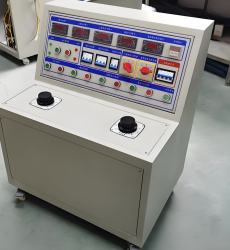
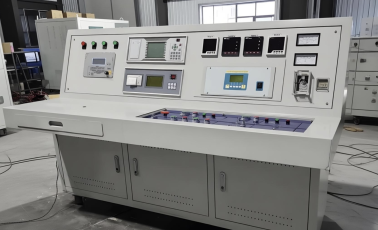
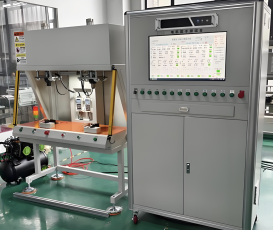
This test bench adopts a modular design and is equipped with a high-precision current and voltage acquisition module to realize real-time data collection and visual display. Compared with traditional testing equipment, its ±0.5% test accuracy can effectively avoid misjudgments. The built-in automatic calibration function can regularly correct equipment errors without additional debugging by professional personnel. The equipment supports one-click testing process, and operators only need to connect the motor to be tested to complete a full set of parameter tests. It is also equipped with a data export function that can export test reports in PDF format for customer delivery or archiving, greatly improving the professionalism and efficiency of maintenance and detection, and solving the pain point of lack of professional testing equipment in small and medium-sized maintenance shops.
The overall dimensions are 800mm (length) × 600mm (width) × 1200mm (height), with a total weight of 280kg. The body is made of cold-rolled steel plate and treated with electrostatic spraying, which is corrosion-resistant and sturdy. The power supply requirement is 220V AC 50/60Hz, the test voltage range covers 0-480V AC and 0-600V DC, and it can test low-voltage motors up to 100kW. The test accuracy can reach ±0.5% of the reading accuracy, and the display resolution is 0.1V and 0.01A. It has a built-in storage capacity of 10,000 sets of test data, and is equipped with USB, RS485 and Ethernet interfaces to support data upload and remote monitoring. It has passed CE and ISO9001 safety certifications, meeting the industrial equipment safety standards of the EU and China.
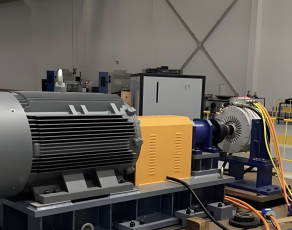
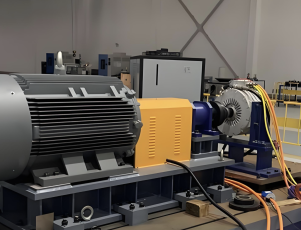
It is mainly suitable for small and medium-sized motor maintenance plants, motor parts retail stores, motor training classes in vocational colleges and other scenarios. It can detect core performance parameters such as insulation resistance, no-load speed, no-load current and rated power of single-phase asynchronous motors, three-phase asynchronous motors and small servo motors, helping maintenance personnel quickly locate problems such as motor winding faults, bearing wear and rotor imbalance. It can also be used in training teaching to allow students to master the performance detection process of low-voltage motors, improving the intuitiveness and practicality of teaching.







 Post RFQ


 Chat
Chat


 ALL CATEGORIES