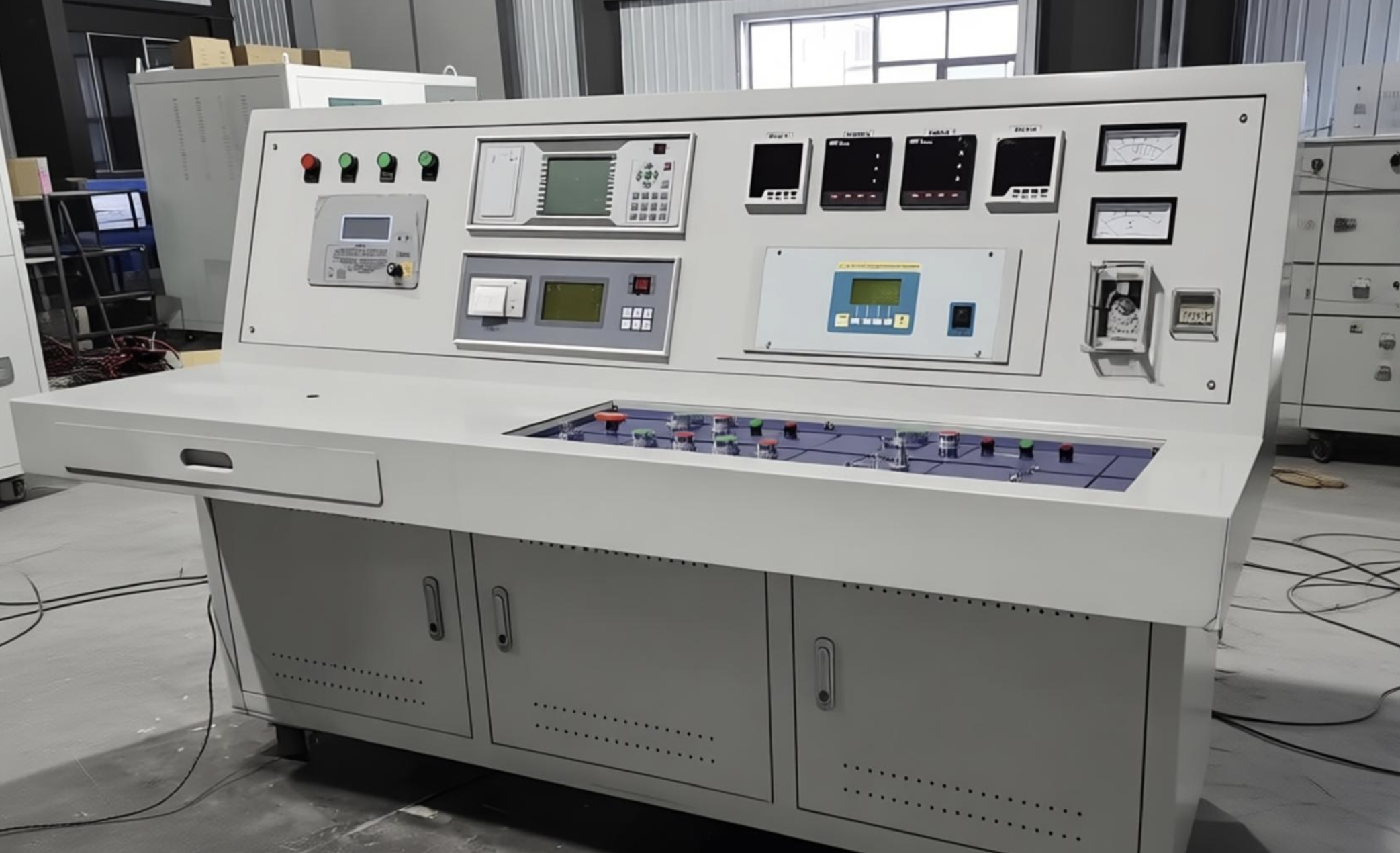
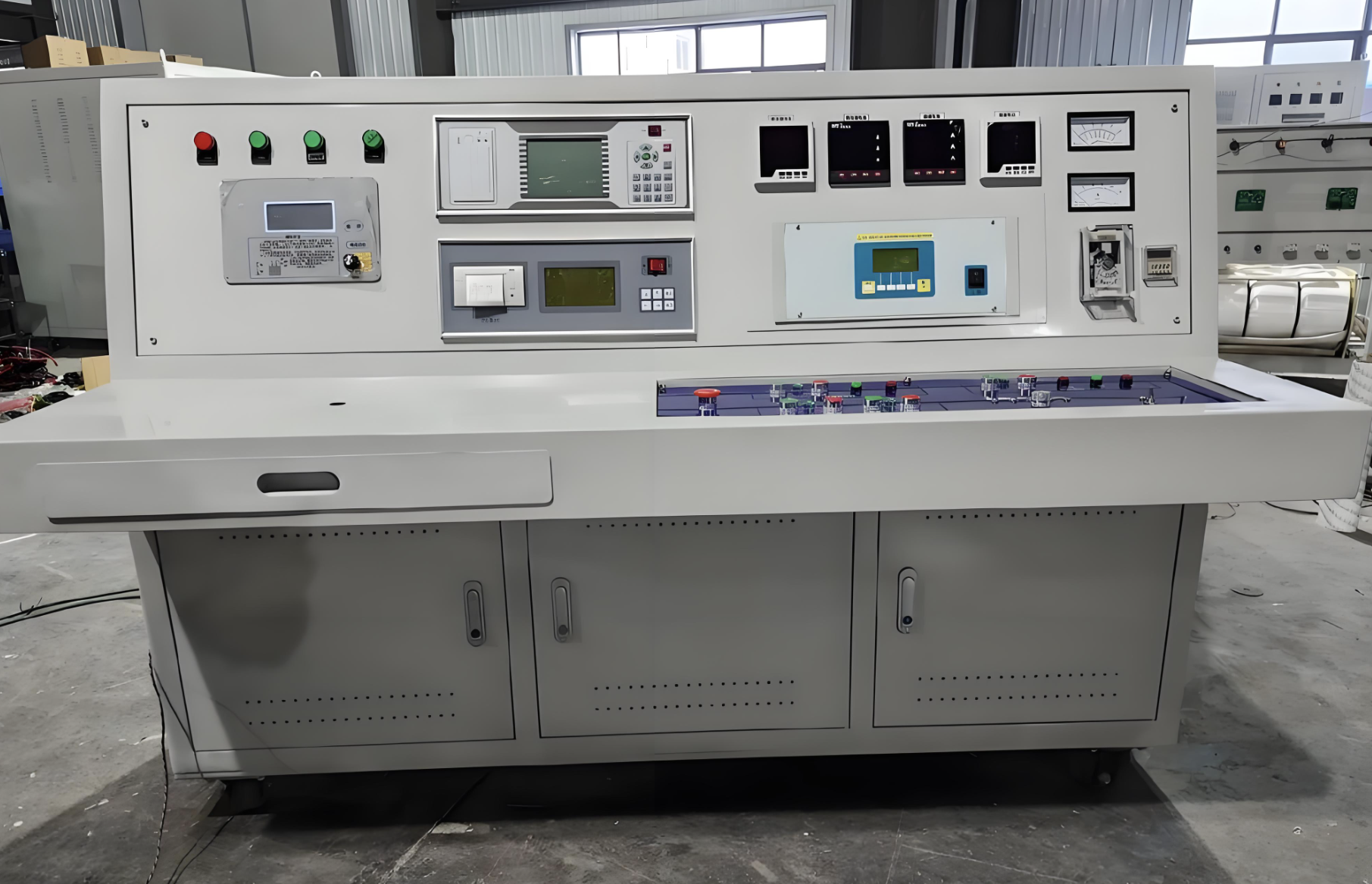





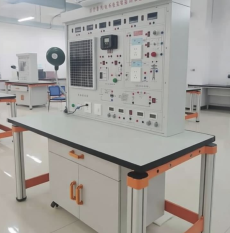
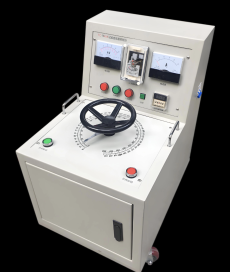
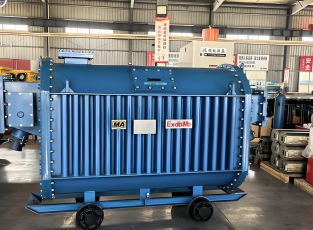
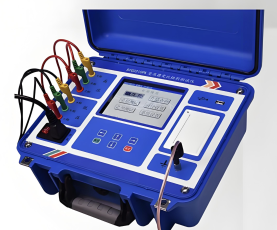

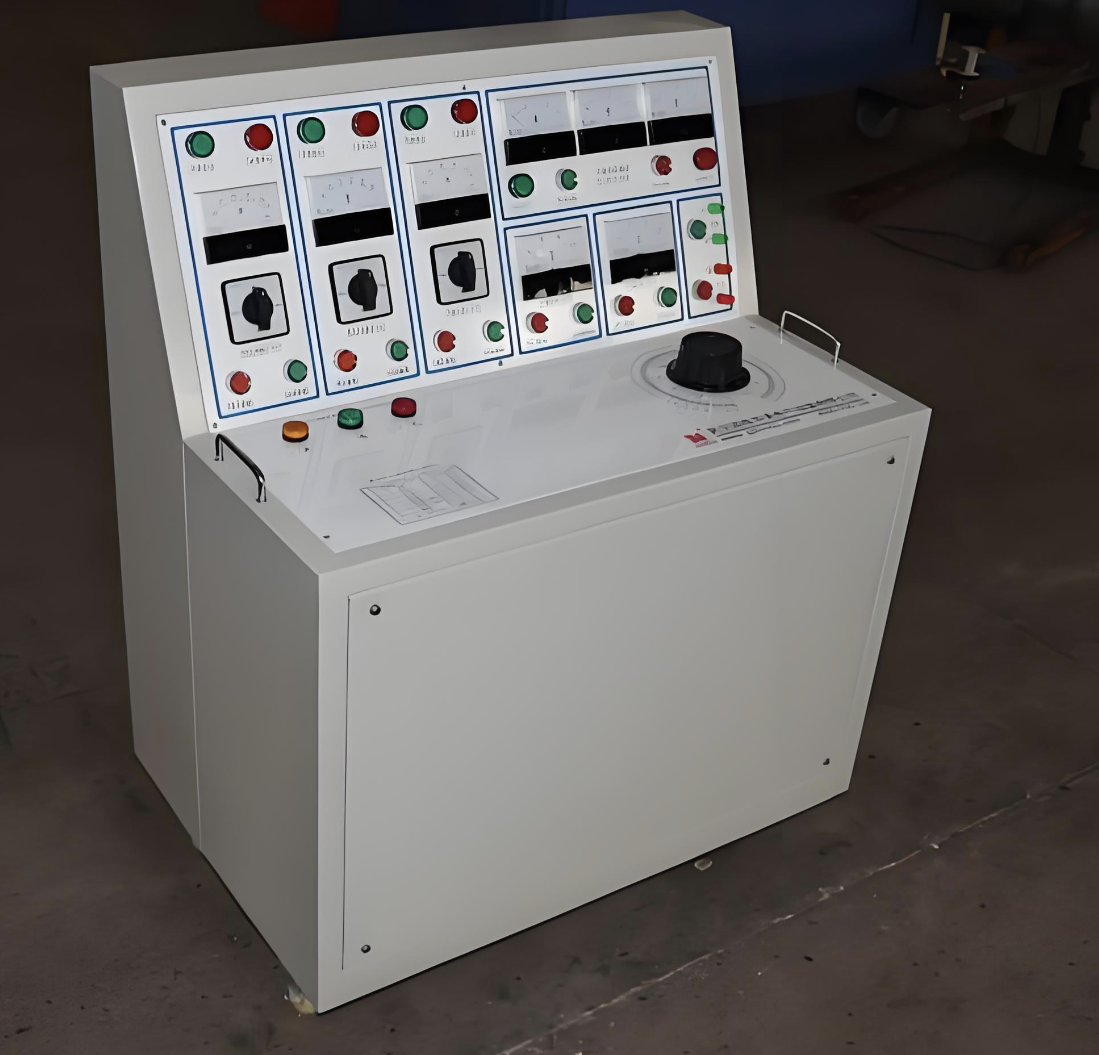
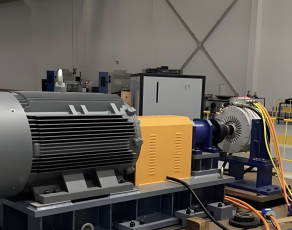
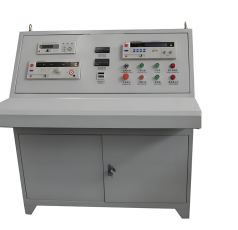
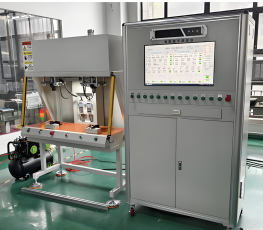
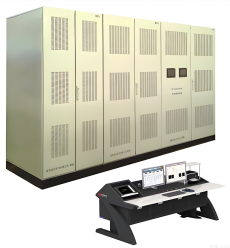
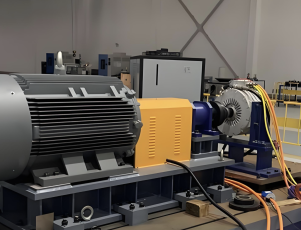
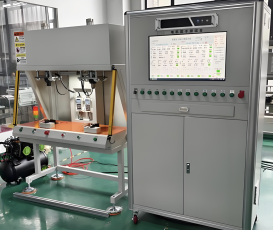
The biggest advantage of this multi-station test stand is its high testing efficiency, which can complete the testing of 2-6 motors at the same time, greatly shortening the production testing cycle. Each station is equipped with independent testing modules, which can adapt to different specifications of motors and support flexible matching of testing procedures. The centralized management system can realize real-time monitoring of the running status of each station, and automatically count the testing pass rate and production data, which is convenient for enterprise production management. It supports the access of factory manufacturing execution system (MES), realizing the interconnection of production data and improving the intelligent level of the production line. In addition, it has passed the CE certification and meets the safety requirements of industrial automated production lines.
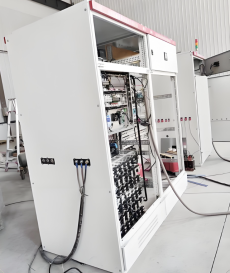
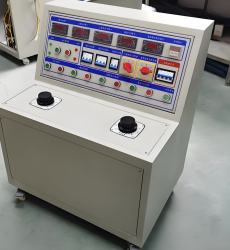
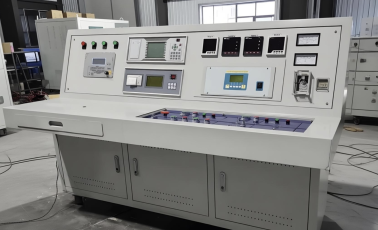
The overall size of the test stand is 3600mm × 2400mm × 2000mm (for 4 stations), and the size can be adjusted according to the number of stations. The net weight of a single station is 350kg, and the total weight of the whole machine is 1400kg (for 4 stations). The maximum test speed per station is 15000 rpm, and the dynamometer loading range is 0-1500N·m. The data acquisition frequency is 500Hz, and the centralized control computer is equipped with a 21-inch LCD screen. The operating temperature range is 0℃ to 40℃, and the storage temperature range is -20℃ to 60℃. It is equipped with multiple emergency stop devices and safety protection devices to ensure the safety of the production line.
This multi-station test stand is mainly suitable for large-scale motor manufacturing enterprises, motor production lines and automated industrial production workshops. It can be used for batch offline testing of low voltage induction motors, gear motors and other low voltage motors, online monitoring of motor production quality and production data statistics. Typical application scenarios include mass production testing of three-phase asynchronous motors, automated production line testing of motor assemblies, batch acceptance testing of purchased motors and intelligent factory motor production testing.







 Post RFQ


 Chat
Chat


 ALL CATEGORIES