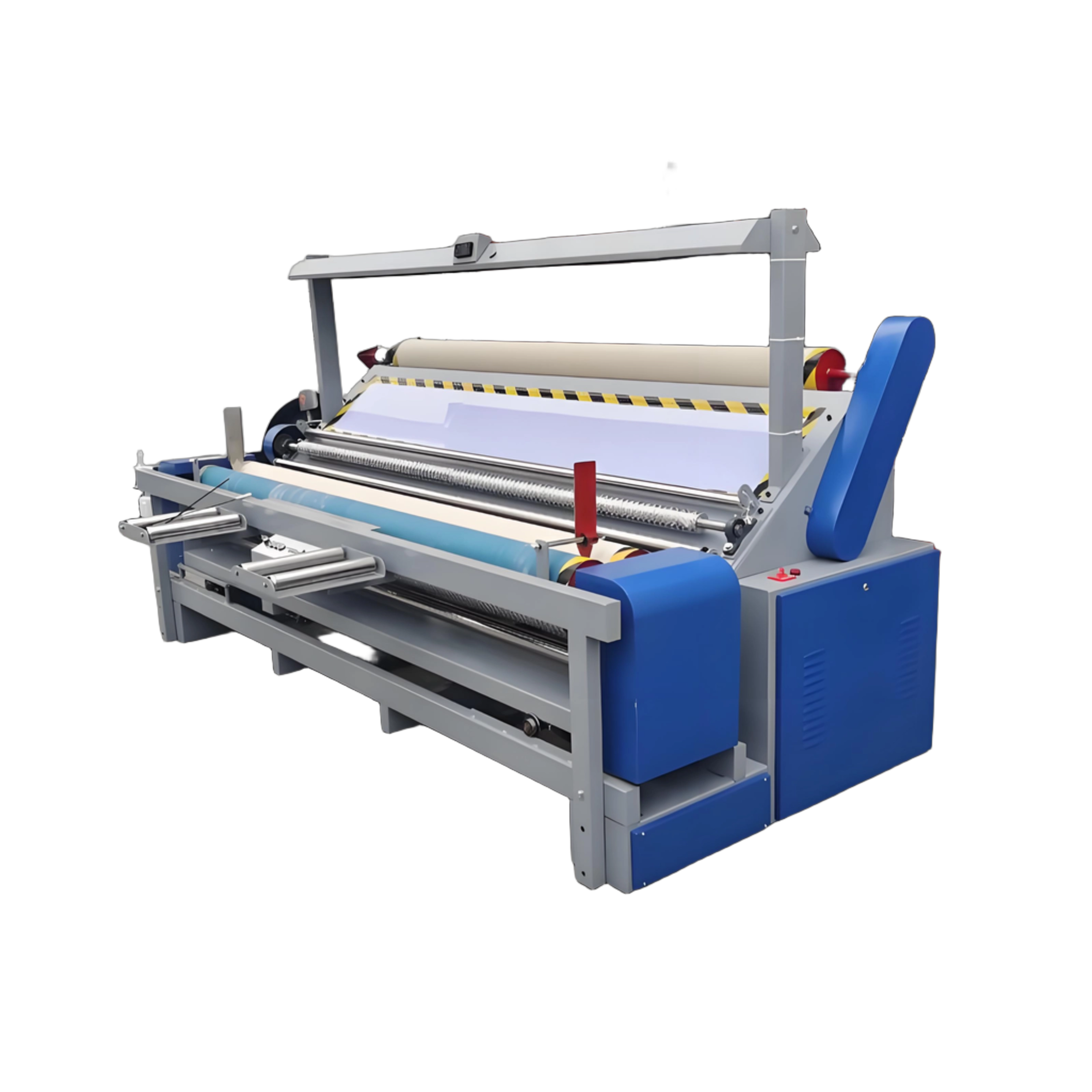
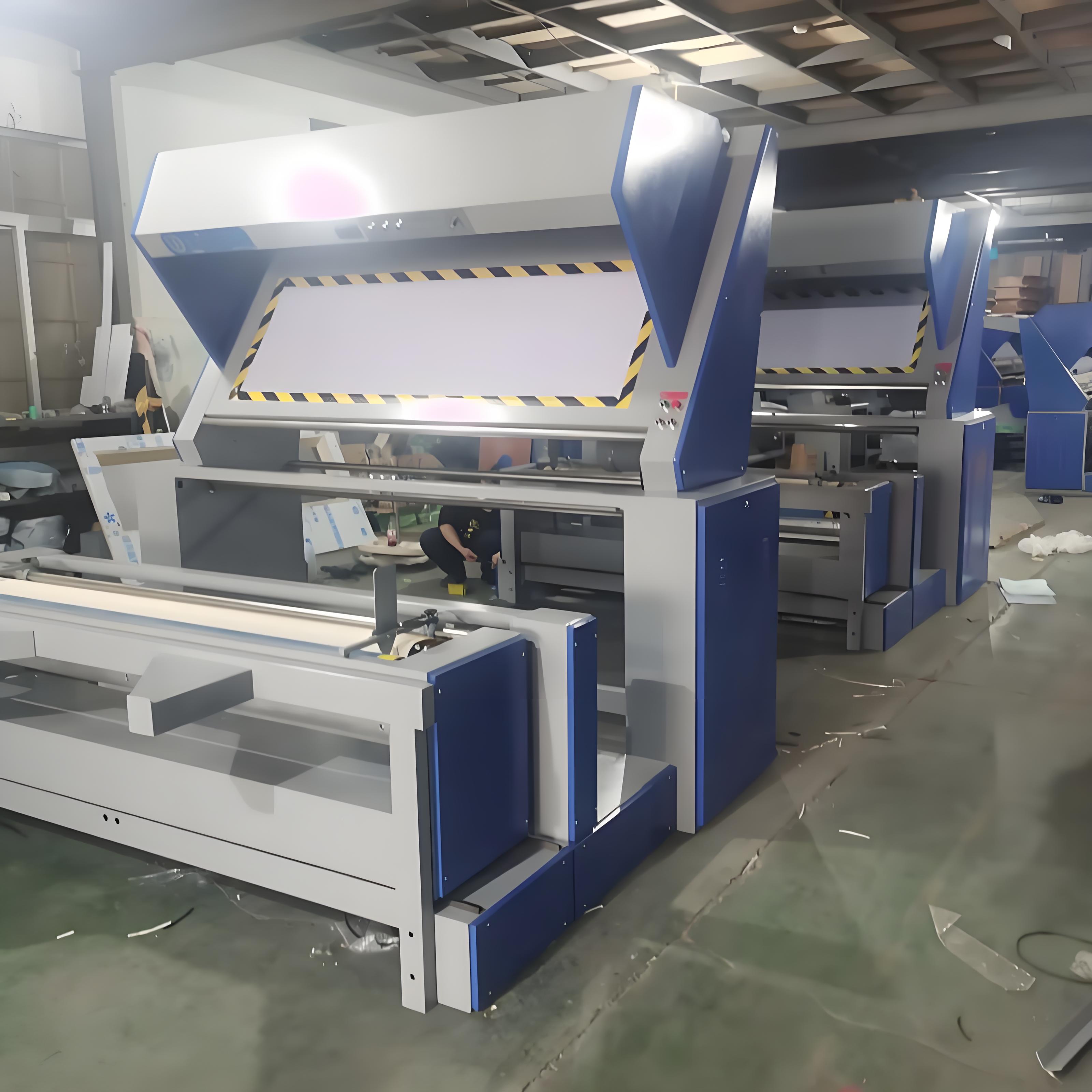


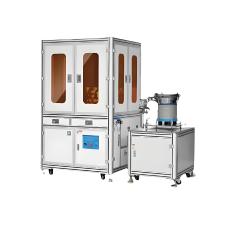
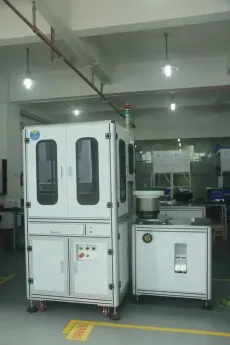
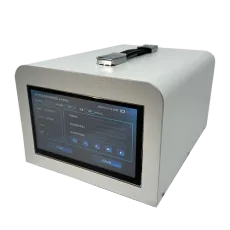

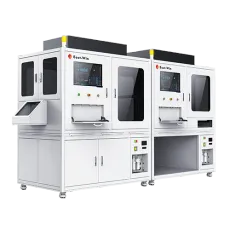
It adopts 8 2K line scan cameras, which can realize omnidirectional detection of the entire width of the fabric, with a detection width of 1.2m to 2.4m, adapting to most common fabric specifications. The high-uniformity LED light curtain can ensure uniform lighting of the entire fabric surface, eliminating the influence of uneven lighting on defect detection. It adopts an industrial Linux embedded system with stable operation, and supports remote monitoring and fault diagnosis. The built-in AI algorithm can automatically identify various fabric defects, and can generate defect location maps and quality inspection reports. The touch man-machine interface is simple and easy to operate, allowing workers to quickly set inspection parameters and view defect data. The device has a compact structure, occupying a small area, and can be easily docked with existing textile production lines.
The inspection width ranges from 1.2m to 2.4m, adapting to most common woven, knitted and non-woven fabric specifications. The maximum detection speed is 60m per minute, which can meet the production rhythm of high-speed textile production lines. It is equipped with 8 2K line scan cameras with a resolution of 2048 pixels, and the high-uniformity LED light curtain has a brightness adjustable from 3000lux-10000lux. It runs on the industrial Linux embedded system, with a 2TB industrial solid-state drive for storing mass fabric quality inspection data, and supports Ethernet and Modbus communication interfaces for docking with textile production line control systems. The rated power consumption is 1200W, with an IP54 protection grade suitable for workshop environments, and the device dimensions are 3000mm×1500mm×1200mm with a net weight of 900kg.
It is suitable for textile manufacturing, clothing processing, home textile production and other industries. Typical application scenarios include online inspection of woven fabric defects, appearance detection of knitted fabrics, quality inspection of non-woven fabrics, and color difference detection of printed fabrics. It can be directly docked with existing textile production lines, and can realize real-time defect alarm and data statistics during the detection process, helping textile enterprises quickly locate production problems and improve product qualification rates.







 Post RFQ


 Chat
Chat


 ALL CATEGORIES