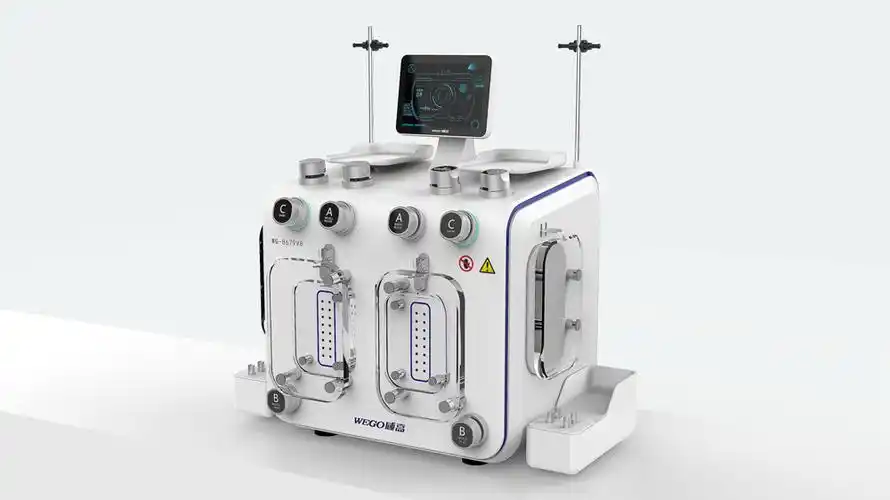
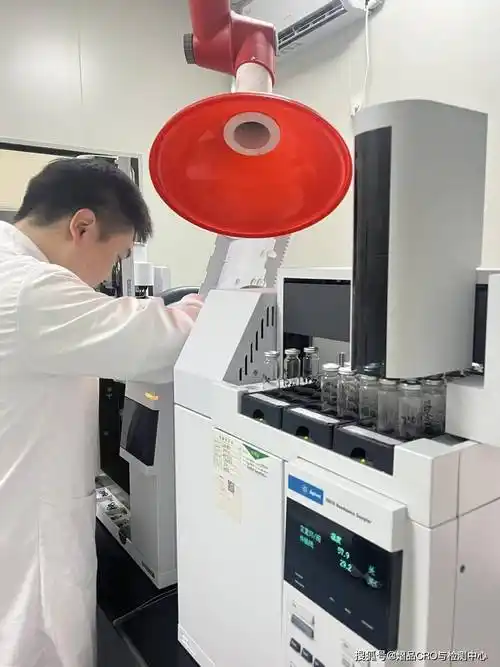


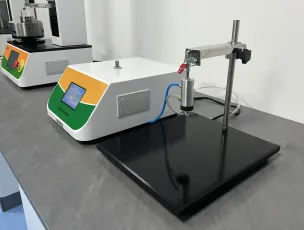
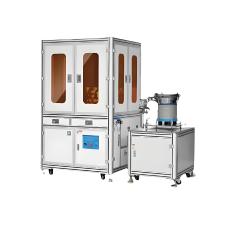
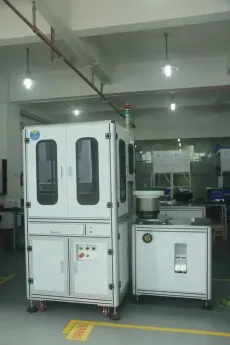
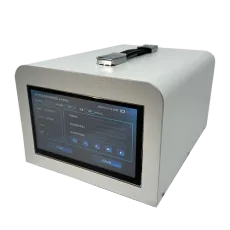

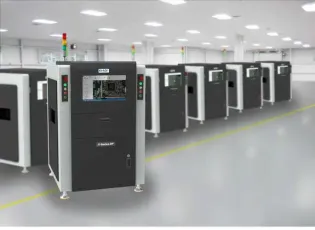
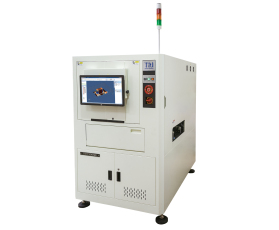
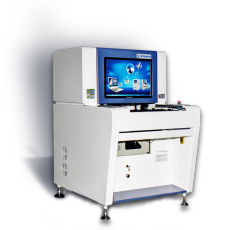
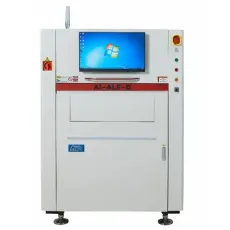
It adopts hygienic industrial cameras and GMP-compliant sterile LED light sources, with no dead corners for cleaning and no contamination risks, fully adapting to ISO 14644-1 Class 8 cleanroom environments. The 4K high-definition industrial cameras can detect tiny defects such as tiny cracks, burrs, and color differences on the surface of medical devices. It is equipped with a cleanroom-specific embedded system with dust-proof and anti-corrosion functions, and supports FDA-compliant data export to meet the traceability requirements of medical device production. The built-in AI algorithm has been trained on a large number of medical device defect samples, with a recognition accuracy rate of over 99.5%, and can automatically classify and count defects. The touch man-machine interface meets the hygiene requirements of clean workshops, with a smooth and easy-to-clean surface.
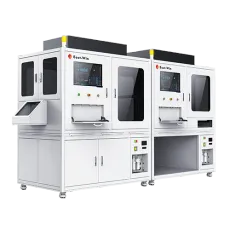
The inspection accuracy reaches ±0.005mm, supporting the detection of tiny defects as small as 0.01mm on the surface of medical devices. The maximum detectable workpiece size is 300mm×200mm×100mm, suitable for most common sterile medical devices such as syringes, medical catheters, and infusion sets. The detection speed is up to 20 pieces per minute, which can meet the production rhythm of medium-volume medical device production. It is equipped with 3 4K 30fps hygienic industrial cameras, with a light source that meets GMP sterile requirements, with a brightness of 5000lux-8000lux. It runs on a cleanroom-specific embedded system, with a 1TB dust-proof solid-state drive for storing quality inspection data, and supports USB, Ethernet, and FDA-compliant data export interfaces for data traceability. The rated power consumption is 600W, with an IP65 protection grade that meets cleanroom requirements, and the device dimensions are 1600mm×1000mm×1400mm with a net weight of 800kg.
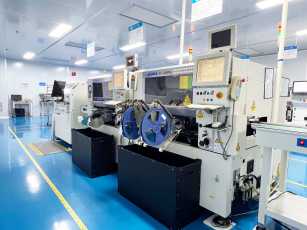
It is suitable for medical device manufacturing, pharmaceutical packaging, and sterile product processing industries that comply with GMP and ISO quality standards. Typical application scenarios include appearance inspection of disposable syringes, defect detection of medical catheters, quality inspection of infusion sets, and appearance detection of surgical instruments. It can be directly deployed in ISO 14644-1 Class 8 clean workshops, and can realize non-contact, pollution-free quality inspection, avoiding cross-contamination caused by manual contact with medical devices. It can also connect with existing medical device production lines to realize fully automated quality control.








 Post RFQ


 Chat
Chat


 ALL CATEGORIES