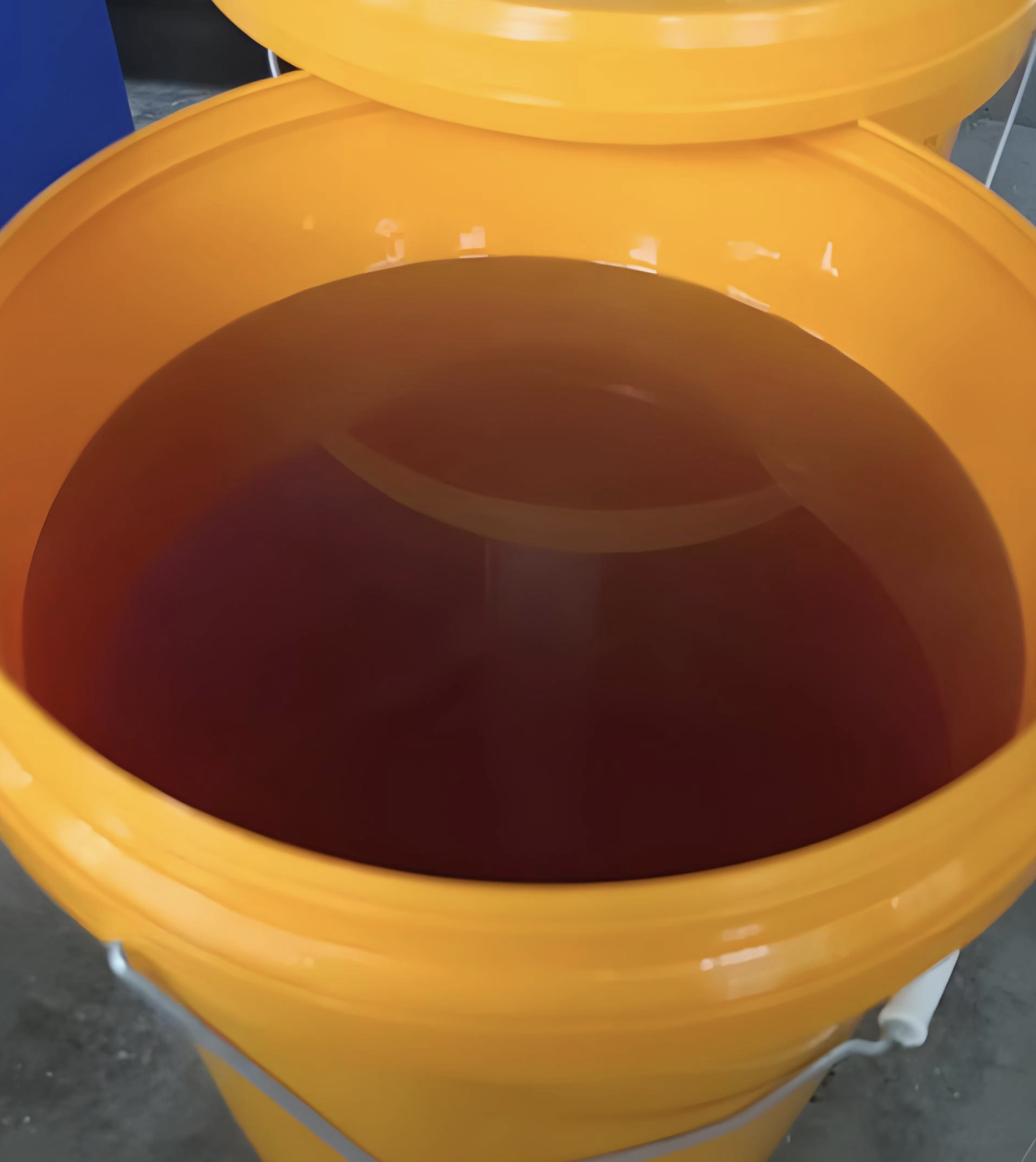


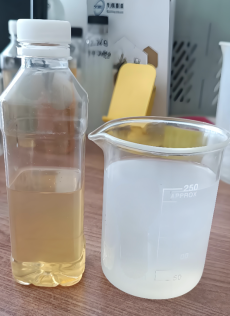

The key innovative feature of this fluid is its proprietary extreme pressure additive package, which creates a protective boundary layer on both the cutting tool and workpiece surface to resist welding and reduce wear by up to 95% compared to unprotected machining. Its high flash point and excellent thermal stability allow it to withstand the high temperatures generated during heavy-duty machining operations, preventing fluid breakdown and maintaining consistent performance over long production runs. The fluid also has excellent sediment dispersion properties, preventing chip buildup in machining systems and reducing filter maintenance requirements. It also minimizes workpiece surface roughness, improving the quality of finished parts and reducing post-processing polishing time.
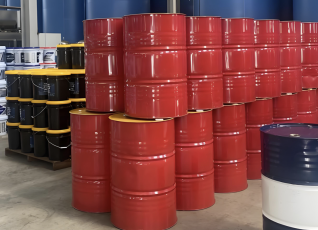
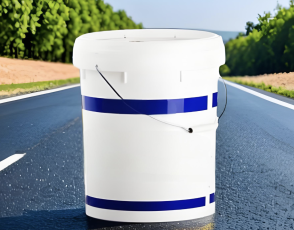
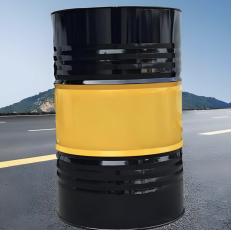
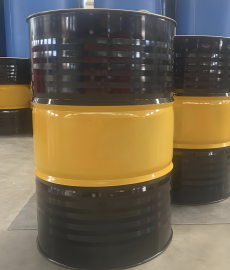
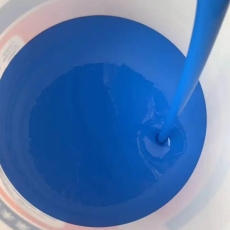
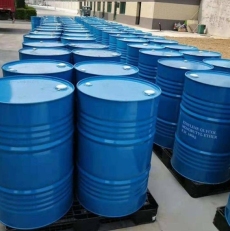
Packaged in a 5-gallon heavy-duty steel drum, this extreme pressure cutting fluid has a pH range of 8.5 to 9.2, with a flash point exceeding 240°C to ensure safe operation in high-temperature environments. It has a viscosity of 46 cSt at 40°C, and a density of 0.99 g/cm³. The OK value of the fluid exceeds 1600N, meeting the requirements of the most demanding heavy machining applications. It is compatible with all standard heavy-duty machining equipment including gear hobbing machines, broaching machines, and large-scale milling centers. The fluid can be used with both flood cooling and mist lubrication systems, and has a shelf life of 24 months when stored properly.
This extreme pressure cutting fluid is designed for heavy-duty machining operations including gear hobbing, broaching, heavy milling, and deep hole drilling of steel alloys, gear blanks, and bearing components. It is ideal for heavy machinery manufacturers, aerospace component suppliers, and gear production facilities that require high-performance cutting fluids for high-stress applications. It can withstand cutting forces of up to 10,000 lbs, making it suitable for machining large-scale steel components. The fluid also prevents tool chipping and breakage, reducing tool replacement costs by up to 40% for heavy production runs. Additionally, it meets API certification standards for industrial lubricants, ensuring consistent performance across global manufacturing facilities.










 Post RFQ


 Chat
Chat


 ALL CATEGORIES