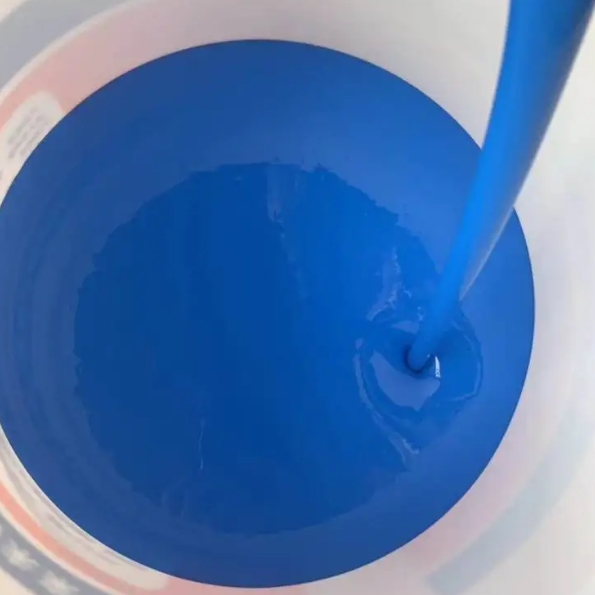
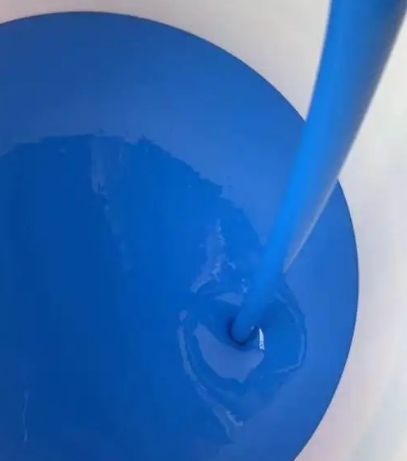


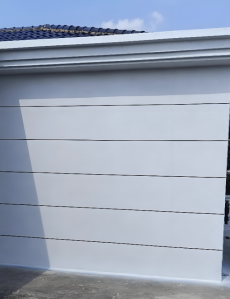





The core advantage of this coating is that it has passed FDA 21 CFR Part 175.300 and EU 10/2011 food contact safety certifications, and has no residual odor after full curing, which will not pollute food or pharmaceutical products. Compared with traditional epoxy food coatings, it has better flexibility and scratch resistance, and can withstand mechanical friction and collision during equipment operation. At the same time, its excellent acid and alkali corrosion resistance meets the ASTM G31 standard, and can withstand repeated flushing of acidic cleaners and alkaline disinfectants commonly used in food processing. It is a single-component room temperature curing system, easy to construct without complicated curing equipment, suitable for rapid maintenance and new equipment painting in food factories, solving the industry pain point that traditional anti-corrosion coatings cannot meet food hygiene and safety requirements, and providing safe and reliable anti-corrosion solutions for the food processing industry.
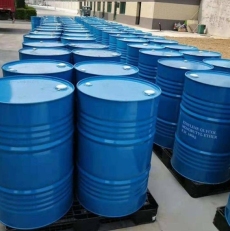
The packaging specification is 15 Kilograms per steel drum, with a volume solid content of 68%. The recommended dry film thickness is 50-80 microns, the touch drying time is 1 hour (at 25℃, 50% humidity), and the full curing time is 24 hours. The adhesion strength is not less than 4.5 MPa, the acid and alkali resistance meets the ASTM G31 standard, and it can be used stably in the environment of -10℃ to 80℃. The VOC content is less than 30g/L, meeting environmental protection requirements. Applicable substrates include stainless steel, aluminum alloy, food grade carbon steel storage tanks, etc. It can be constructed by brushing, spraying and other methods, and the curing method is normal temperature air curing. The coating density is 1.2 g/cm³, and the theoretical coating rate is 7-9 square meters per Kilogram (50 microns dry film thickness).
It is widely used in storage tanks, reaction kettles and pipeline systems of the food and beverage industry, the inner walls of dairy production equipment, stainless steel parts of beer brewing equipment, the metal surfaces of medical packaging containers, stainless steel kitchenware and operating tables in the catering industry, and the inner wall anti-corrosion of drinking water storage tanks and other scenarios. It can effectively resist corrosion of various food components, cleaners and steam without polluting food or pharmaceutical products, ensuring that the equipment meets food hygiene and safety standards, reducing equipment maintenance frequency, and improving the reliability and service life of production equipment.








 Post RFQ


 Chat
Chat


 ALL CATEGORIES