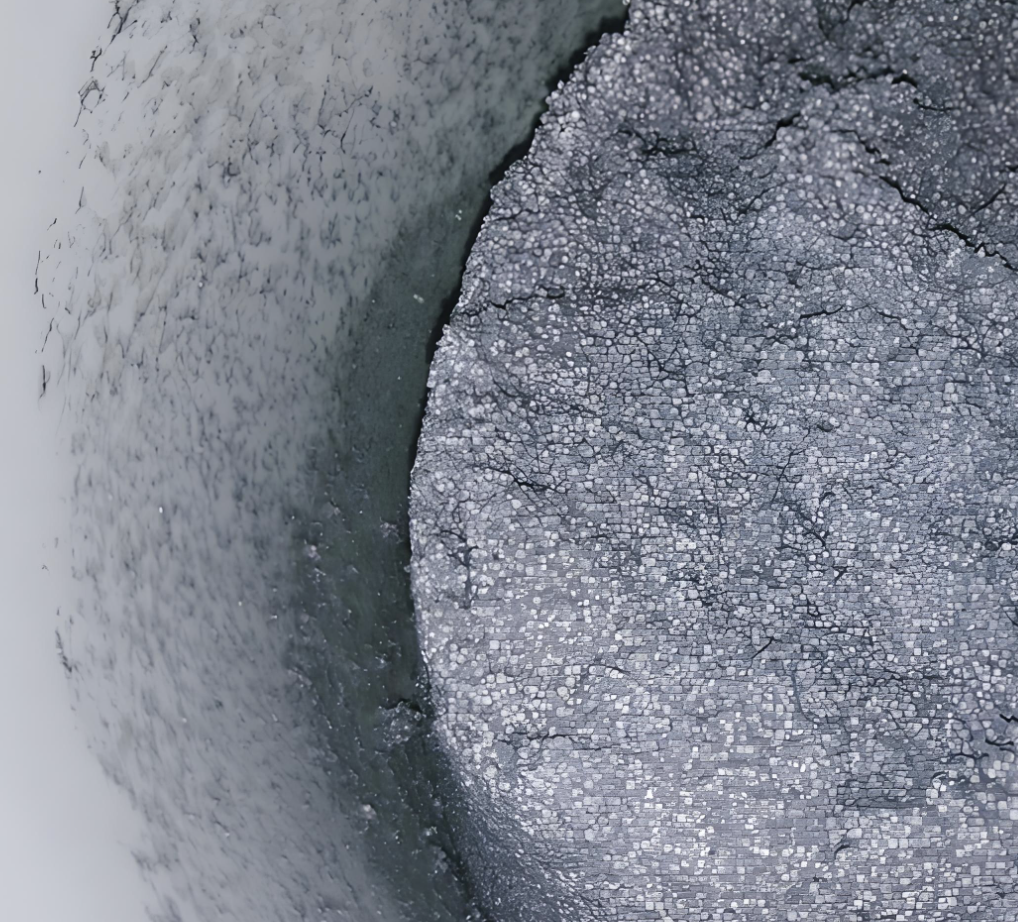
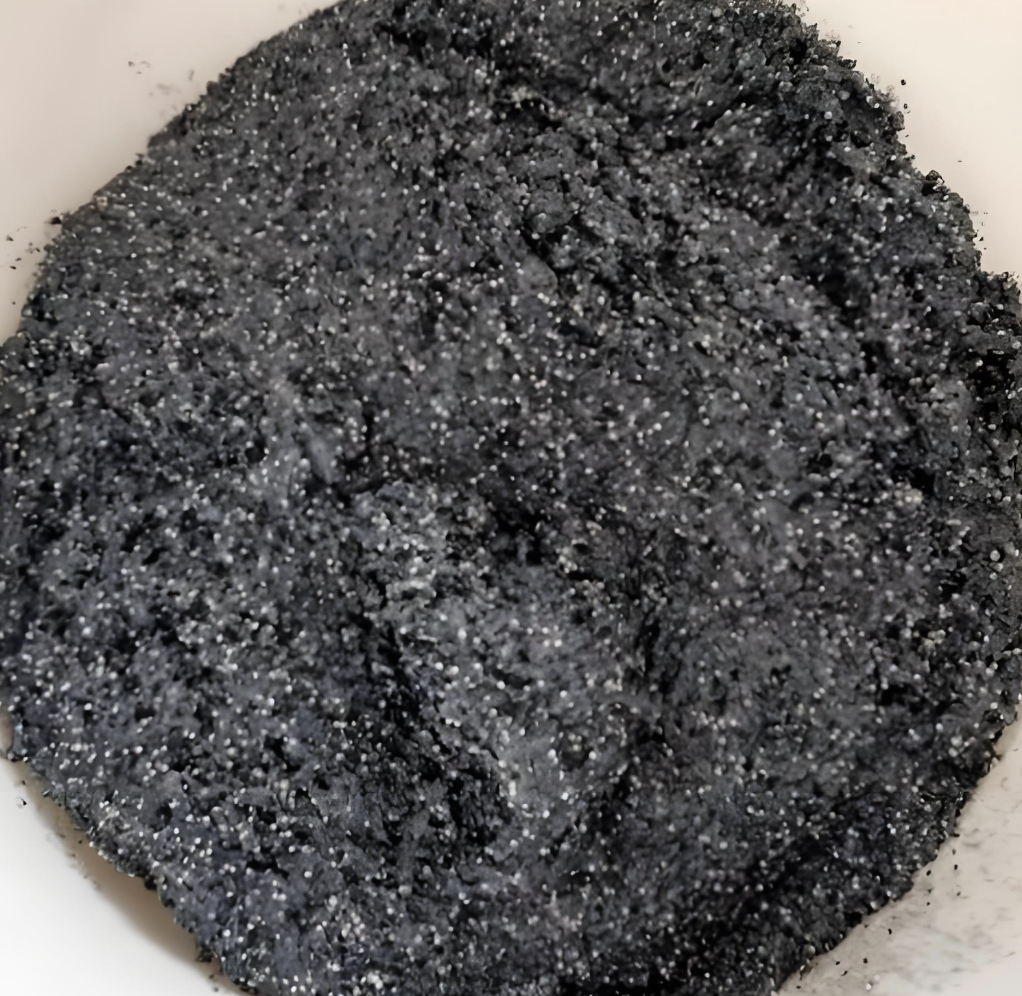


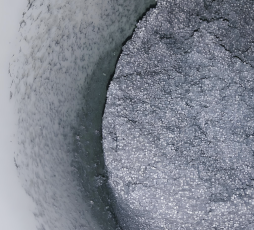
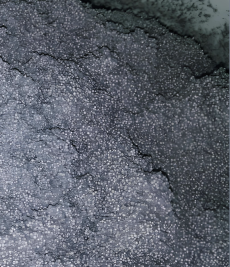
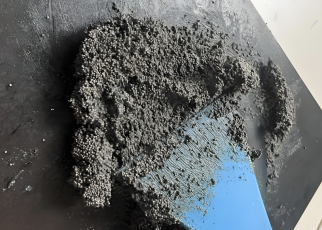

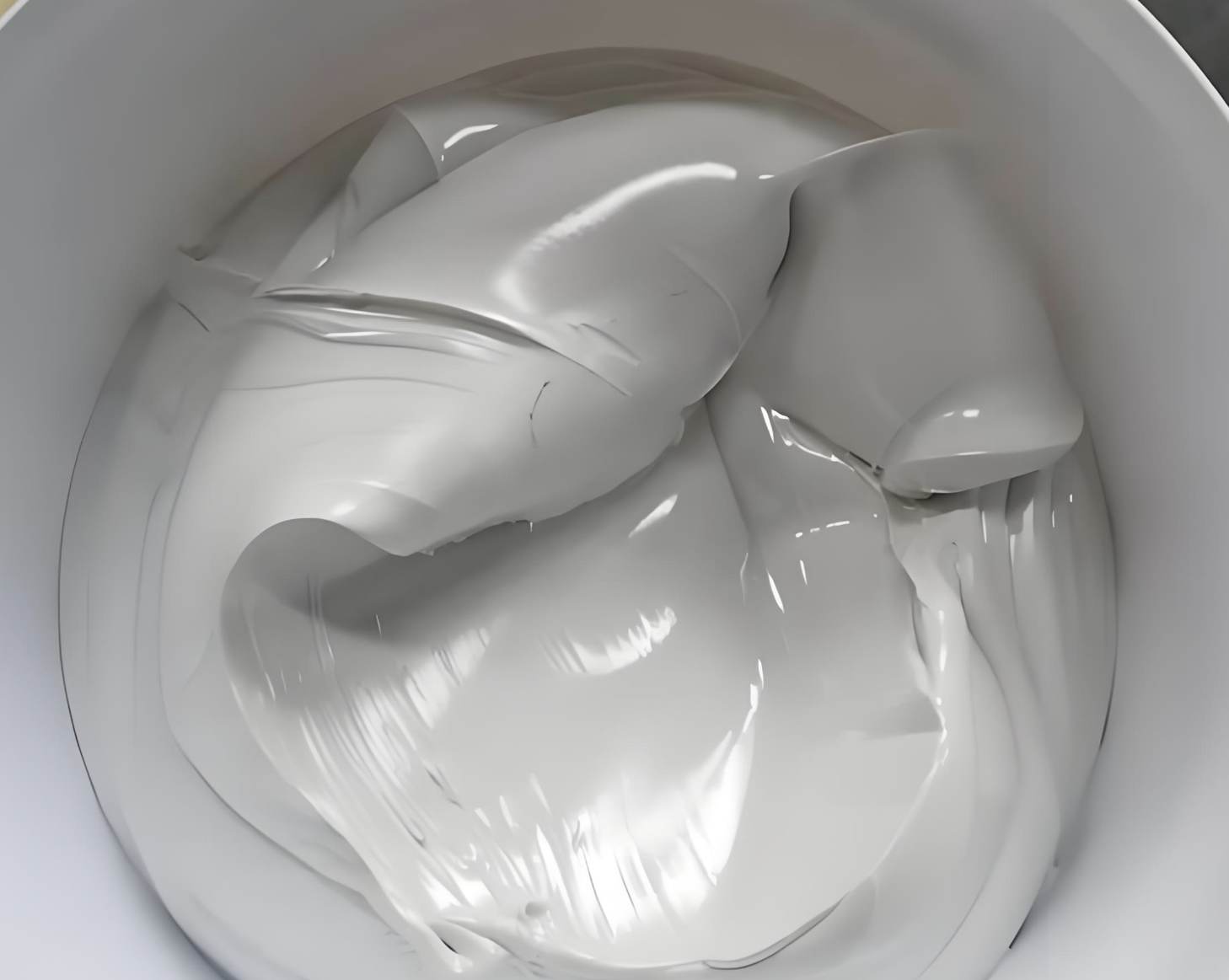
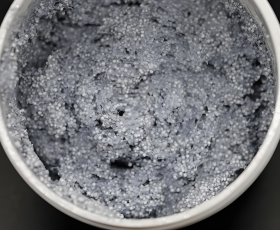
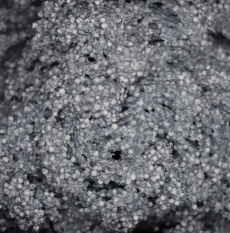
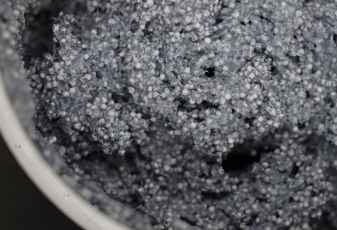
The core advantages of this electronic insulation ceramic particle adhesive lie in its excellent electrical insulation performance and precise adaptability. Unlike ordinary structural adhesives, it is added with high-purity alumina ceramic particles, with a dielectric strength of up to 25kV/mm and a volume insulation resistance as high as 1×10^15Ω, which can effectively insulate current and voltage and ensure the safe operation of electronic components. Its transparent or white appearance will not affect the appearance of electronic equipment, and can be used for bonding and sealing of transparent electronic components. There are two curing options available: room temperature curing for batch production static operation, and UV curing can achieve initial curing within 30 minutes, greatly improving production efficiency and adapting to the rapid product change needs of the electronic industry. It does not contain halogen and toxic solvents, complying with the environmental protection standards of the electronic industry.
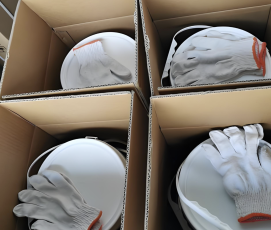
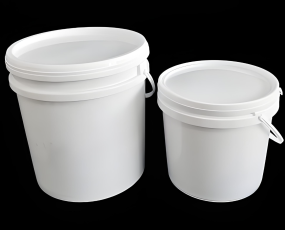
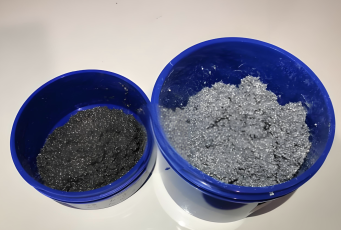
Detailed technical parameters: The packaging specification is 1kg per box, divided into single-component UV curing version and two-component room temperature curing version; the dielectric strength is ≥25kV/mm, and the volume insulation resistance is ≥1×10^15Ω; the maximum continuous service temperature reaches 120℃, and it can withstand short-term high temperatures of 150℃; the tensile shear strength is ≥8MPa, and the shore hardness after curing is 60 Shore A, with certain flexibility to adapt to thermal expansion and contraction deformation of electronic components; the construction environment temperature should be kept at 15-30℃, with relative humidity not exceeding 70%; the UV curing version can be initially cured after 30 seconds of irradiation, and the mixing ratio of the two-component version is 1:1 (weight ratio), with an operable time of 60 minutes and full curing takes 24 hours; it complies with RoHS and REACH environmental certifications, is halogen-free and antimony-free, and meets the quality standards of the electronic industry.
It is mainly applicable to fixing and sealing of surface components of PCB boards, insulation protection of electronic components, bonding of glass and metal frames, sealing of circuit boards of smart home equipment, waterproof and insulation bonding of automotive electronic components and other scenarios. It can effectively improve the insulation performance and vibration resistance of electronic equipment, replacing traditional hot melt adhesives and epoxy adhesives, improving the bonding strength and service life of electronic components. It is widely used in production and maintenance links of multiple electronic industries including consumer electronics, automotive electronics, smart home and semiconductor packaging.








 Post RFQ


 Chat
Chat


 ALL CATEGORIES