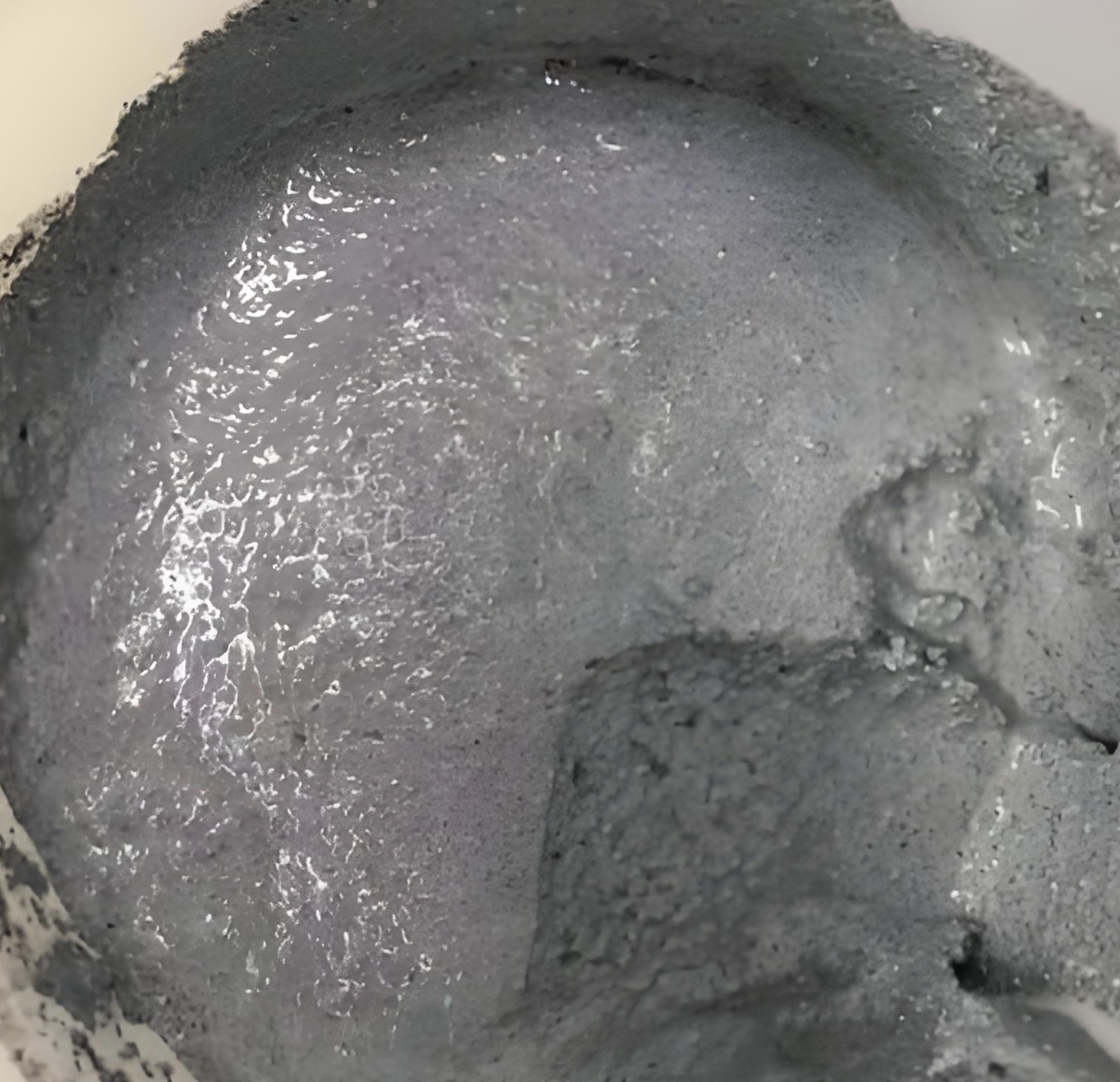


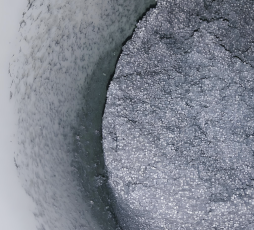
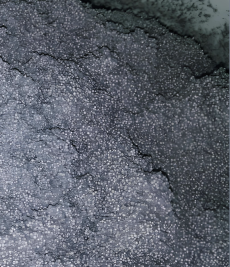
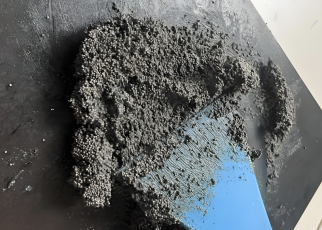

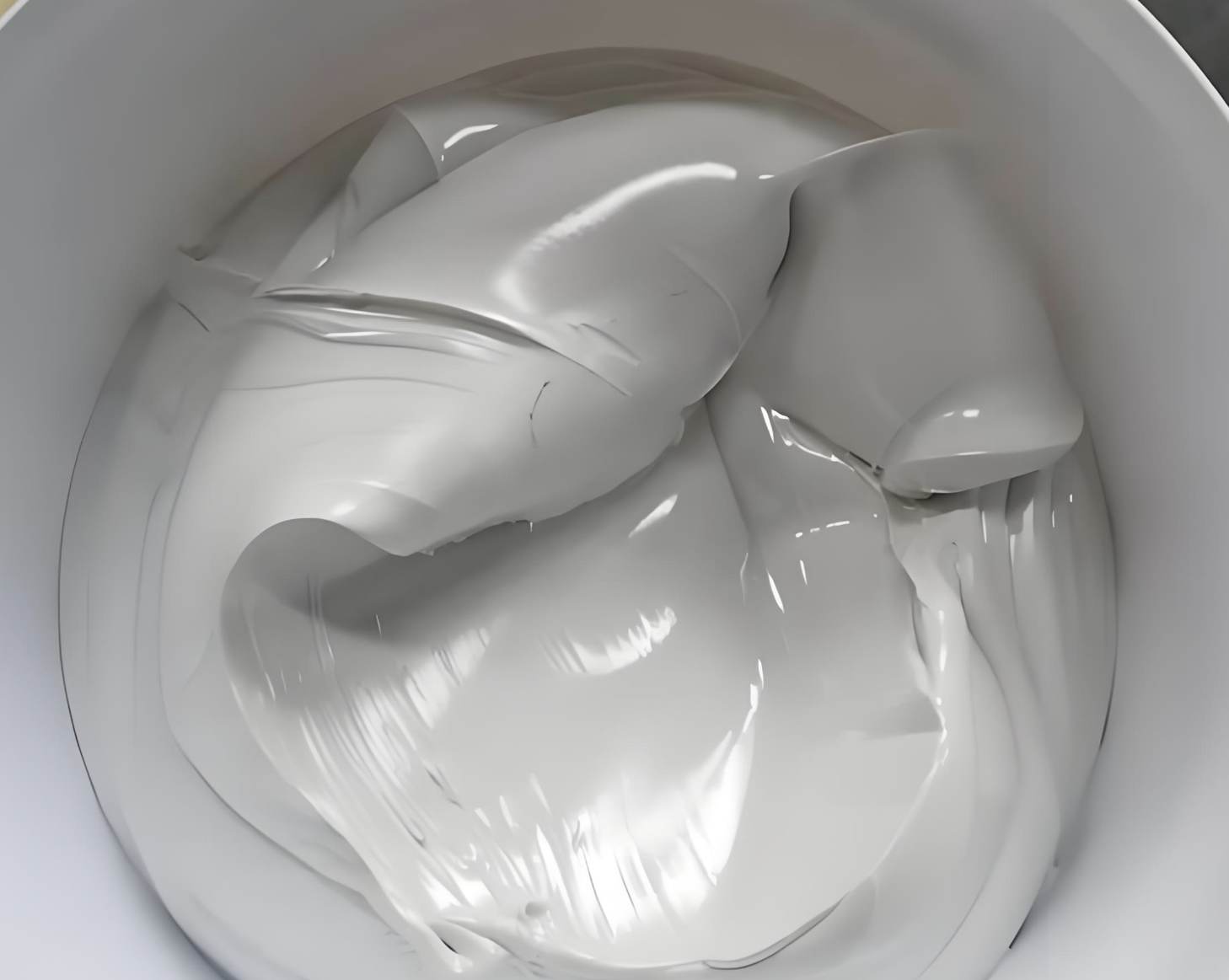
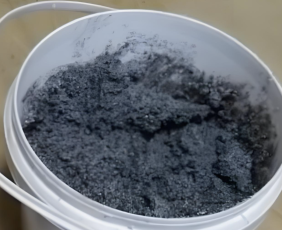
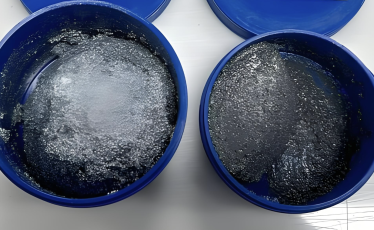
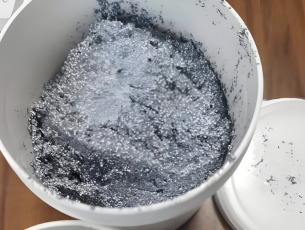
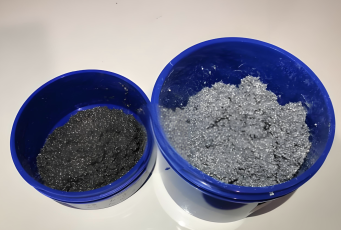
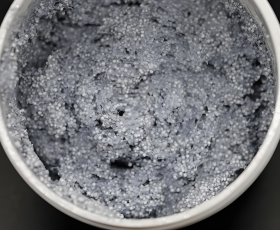
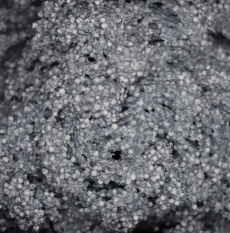
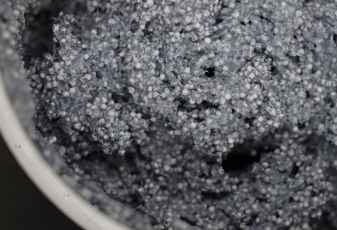
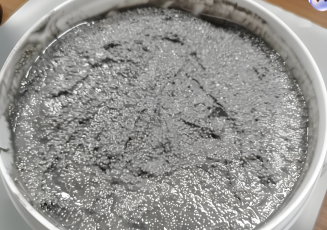
The core highlight of this wear-resistant repair ceramic particle adhesive is its convenient room-temperature curing performance and excellent wear resistance. Unlike adhesives that require high-temperature curing, it can be constructed directly at room temperature between 10-40℃, and can fully cure and be put into use within 12 hours after mixing. It is added with silicon carbide ceramic particles with Mohs 7.5 hardness, which can effectively resist high-speed scouring wear of sand and materials, with a tensile strength of 12MPa, and can firmly bond with multiple substrates such as steel, aluminum, rubber and plastic without complicated surface pretreatment to achieve high-strength bonding. The low-odor formula reduces VOC emissions during construction, adapting to closed operations in factory workshops, and can directly fill, level and protect worn parts of equipment.
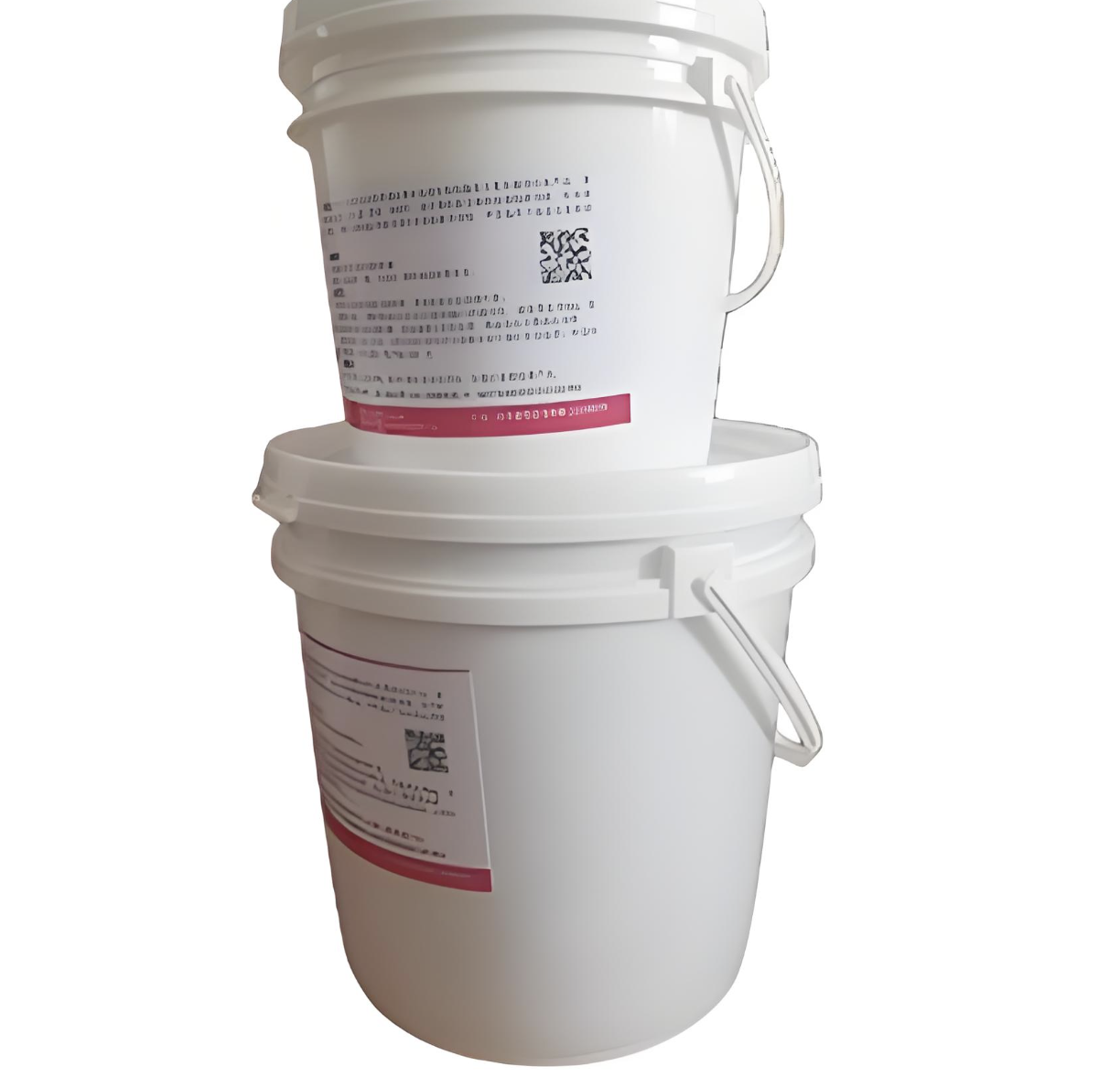
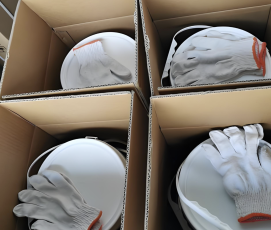
Detailed technical parameters: The two-component mixing ratio is 5:1 (weight ratio), with a net weight of 5kg per box; the maximum continuous service temperature reaches 150℃, and it can withstand short-term high temperatures of 200℃; the shore hardness after curing is 75 Shore D, and the tensile shear strength is ≥12MPa; the operable time after mixing is 90 minutes, and full curing takes 12 hours; optional colors include black and gray to match the appearance needs of different equipment; the substrate surface needs to be derusted and degreased before construction to improve bonding effect; it complies with RoHS environmental certification, does not contain benzene toxic solvents, and meets occupational health and safety standards.
It is mainly applicable to wear repair of mine conveyor drums, wear-resistant protection of port loading and unloading hoppers, wear repair of crusher liners, repair of pump body sealing surfaces, wear repair of automobile molds and other normal temperature working condition scenarios. It can quickly fill wear grooves on equipment surfaces to form a flat and wear-resistant protective layer, replacing traditional repair processes such as welding and spraying, reducing downtime and improving equipment operation efficiency. It is widely used in equipment maintenance and repair work of multiple industries including mining, ports, machinery manufacturing and mold processing.








 Post RFQ


 Chat
Chat


 ALL CATEGORIES