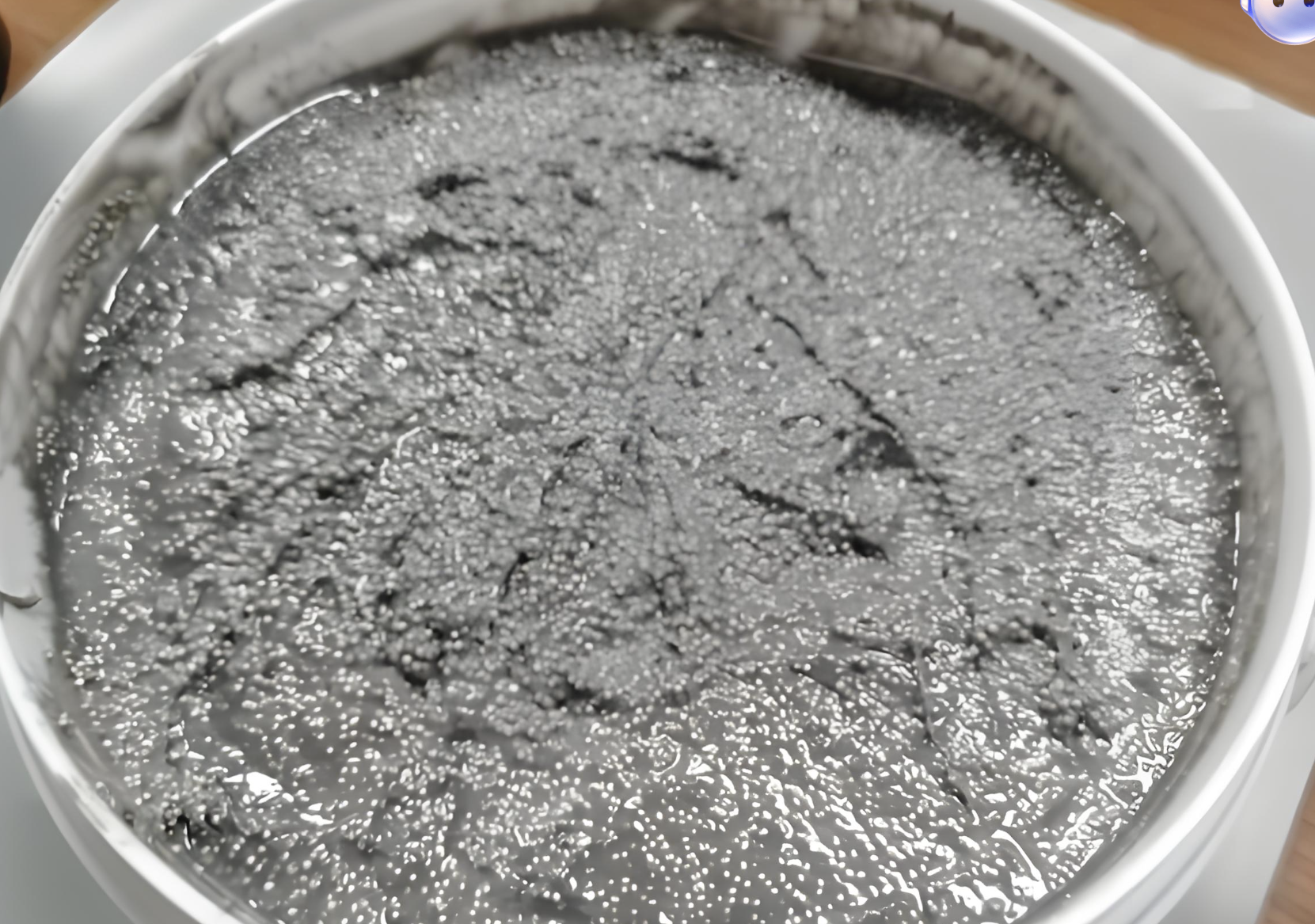
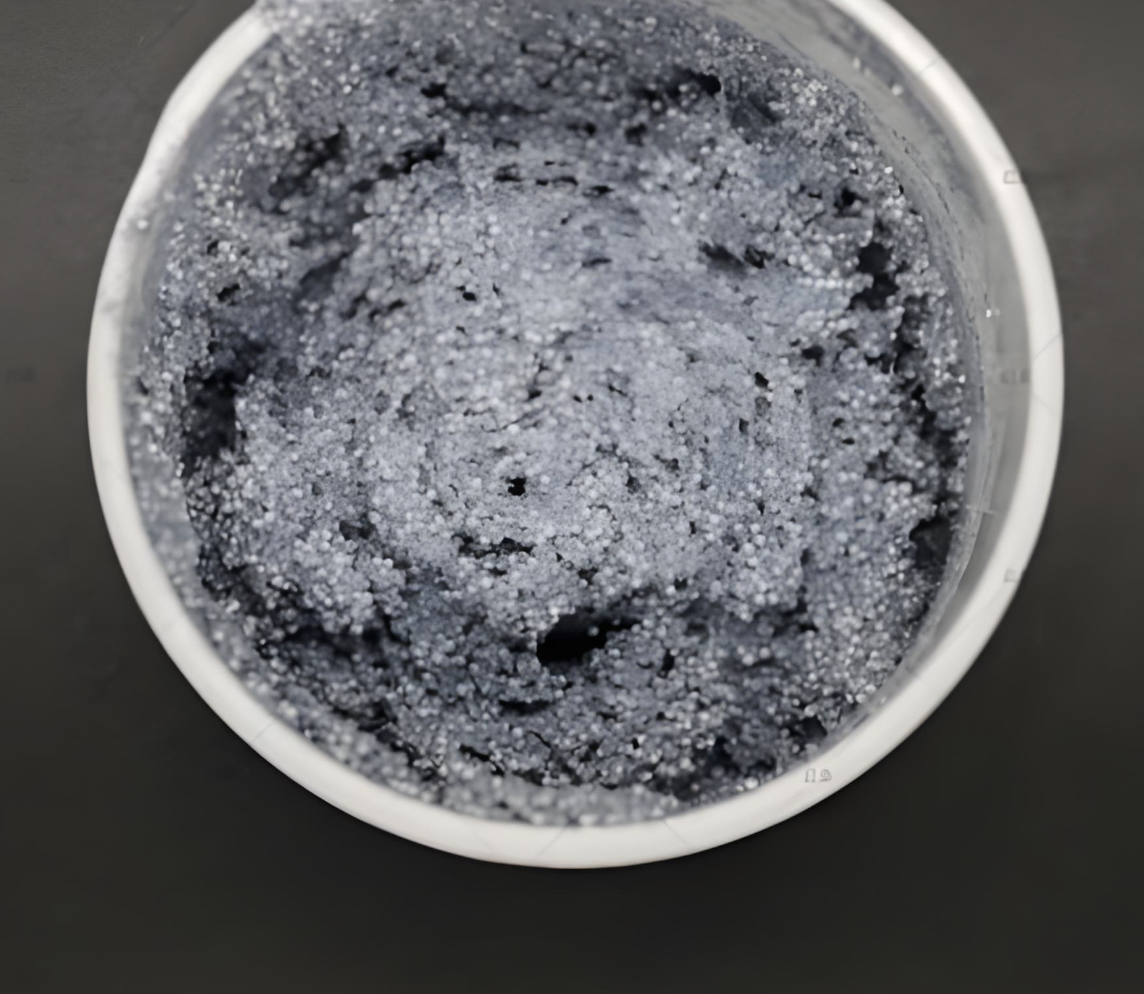



Adopting a two-component mixing and curing system, it requires no complex construction equipment and can be quickly mixed on-site for easy operation. The core advantage lies in the high ceramic particle content of over 85%, endowing the coating with ultra-high wear resistance and high-temperature oxidation resistance, maintaining stable bonding strength in a continuous high-temperature environment of 1200℃ without embrittlement or peeling. It also has excellent acid and alkali corrosion resistance, suitable for harsh working conditions in chemical workshops. Compared with traditional metal spraying repair processes, its cost is reduced by more than 40%, and the construction period is shorter, without requiring professional fire operation to ensure construction safety.
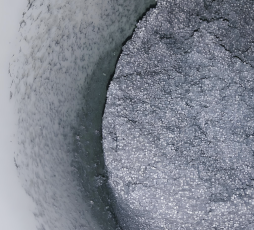
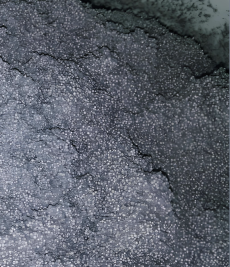
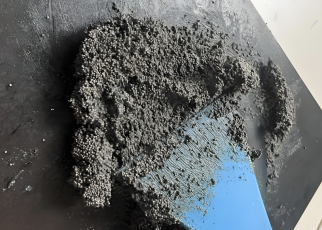
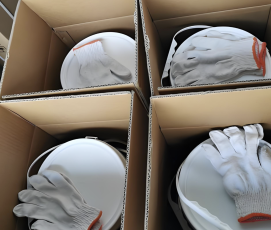
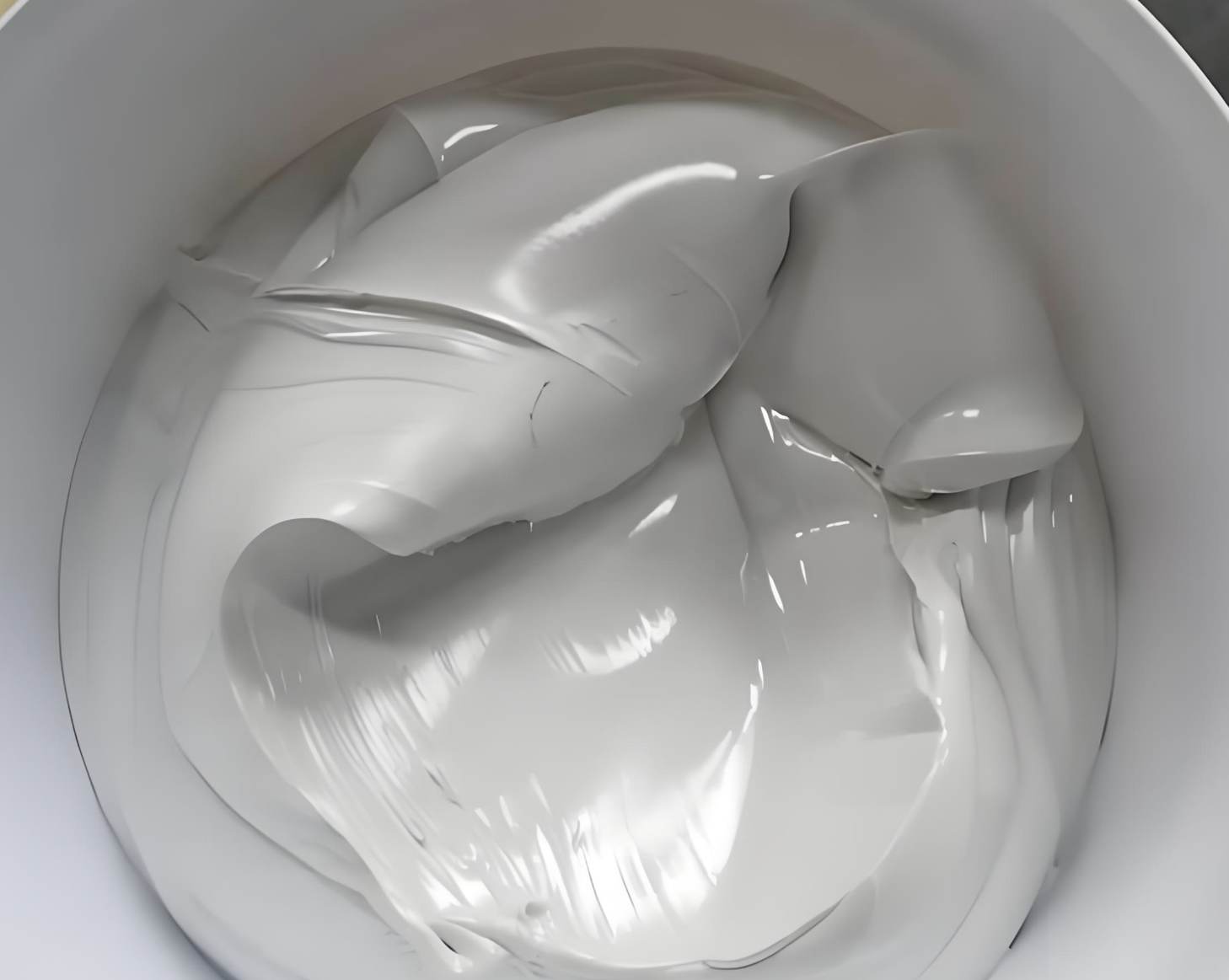
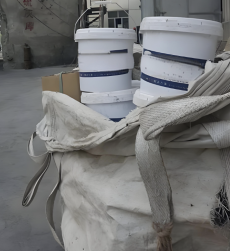
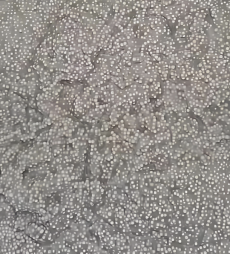
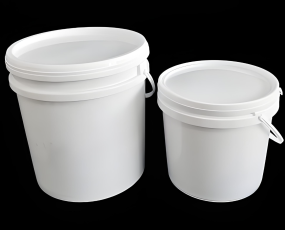
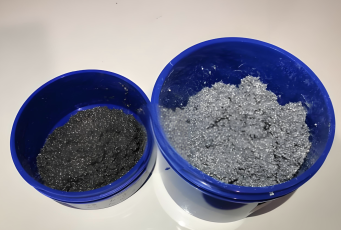
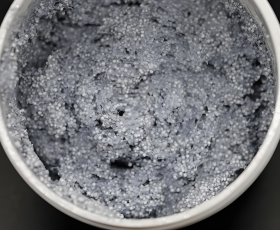
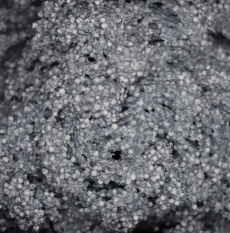
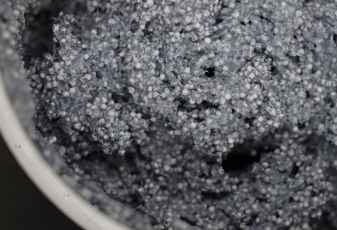
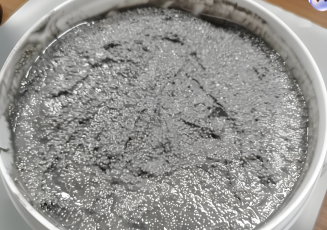
Packaged in two-component sets, 1kg per set (700g of component A + 300g of component B), with a gray paste appearance. After curing, the hardness reaches Shore D80, the tensile shear strength is ≥12MPa, and the linear expansion coefficient is 8.2×10^-6/℃. It complies with ISO 10993 biocompatibility test (non-food grade). The packaging uses sealed iron drums with inner plastic bags to prevent moisture deterioration. During construction, mix component A and component B at a weight ratio of 3:1, stir evenly, and then apply or scrape on the surface to be repaired. It can reach the use strength after normal temperature curing for 24 hours.
Mainly applicable to the repair of worn parts of blast furnace shells and sintering machine trolleys in the metallurgical industry; the repair of boiler flues and dust removal equipment linings in the electric power industry; the repair of reaction kettles and pipeline corrosion and wear in the chemical industry; and the repair of kiln tail cylinders and crusher linings in cement plants. It can also be used for the reinforcement of equipment bases in high-temperature workshops and the sealing and bonding of heat-resistant pipelines. It is especially suitable for on-site maintenance scenarios where fire operation is not allowed, replacing traditional welding and spraying repair solutions, and greatly improving maintenance efficiency.








 Post RFQ


 Chat
Chat


 ALL CATEGORIES