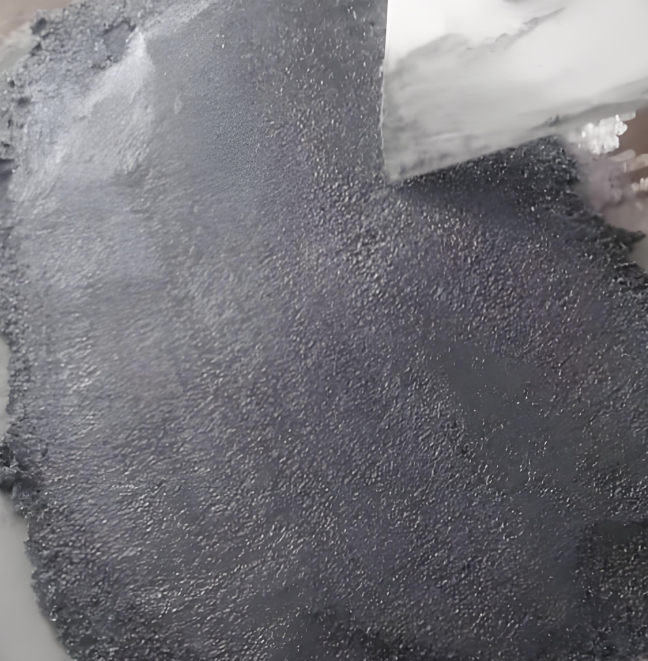
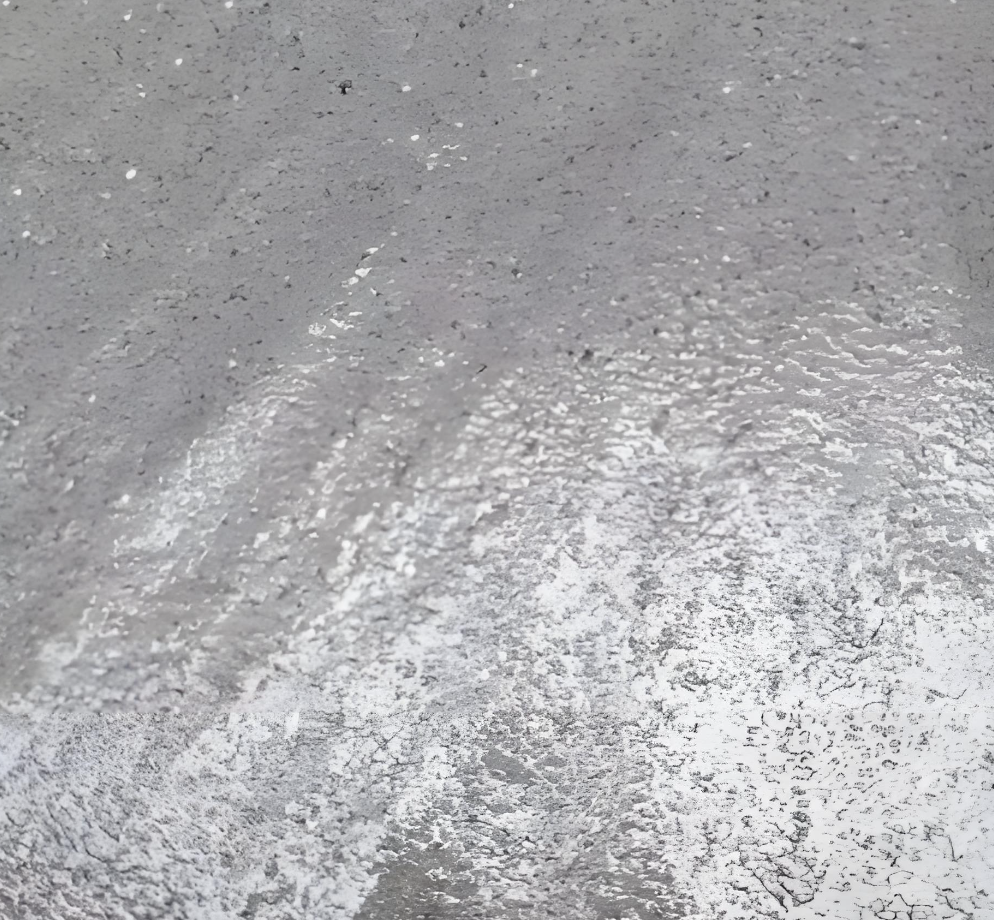


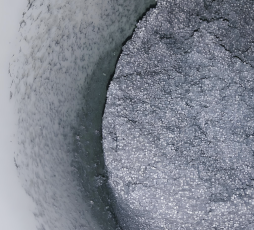
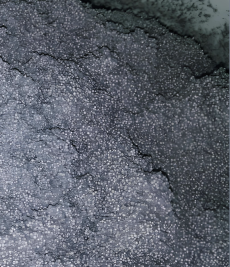
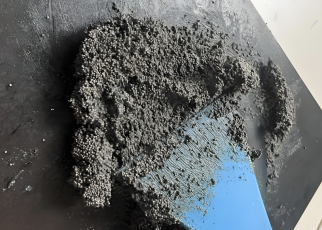

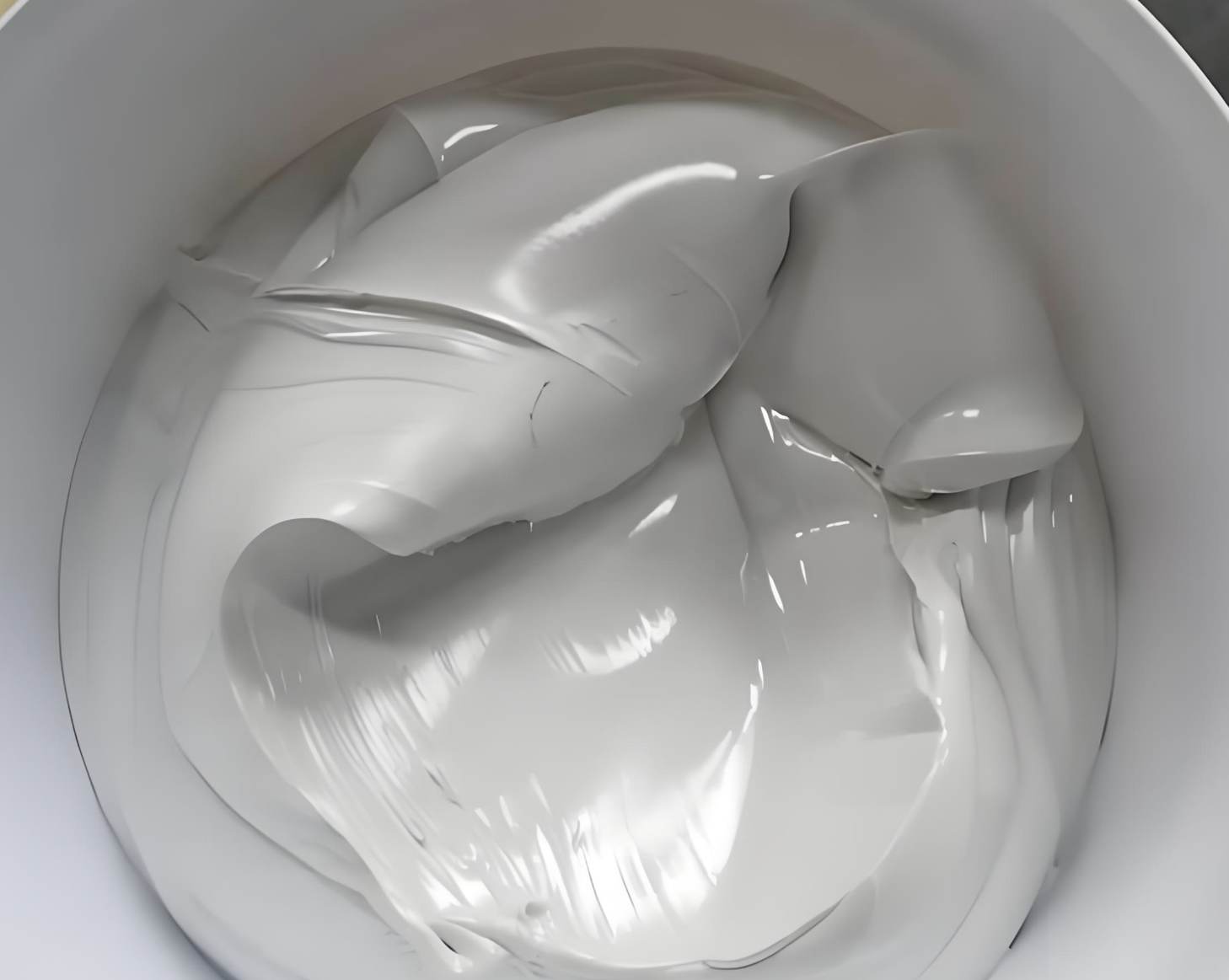
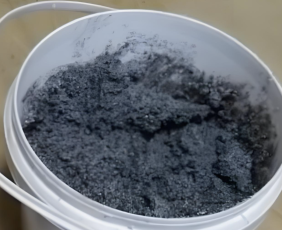
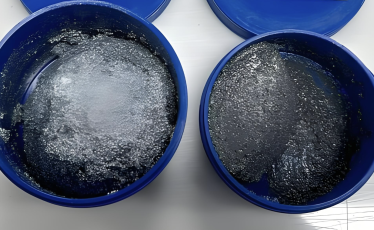
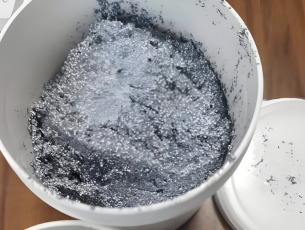
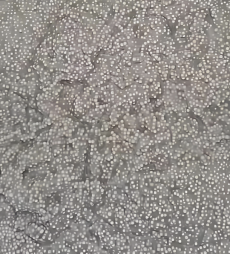
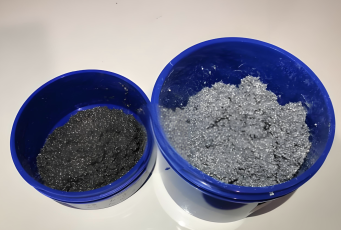
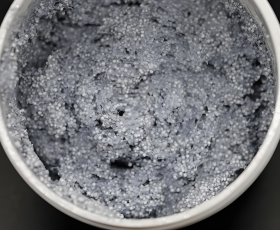
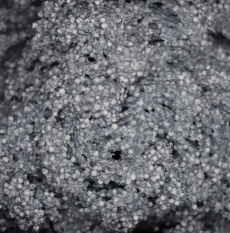
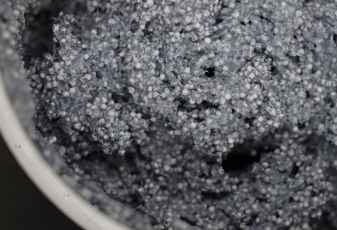
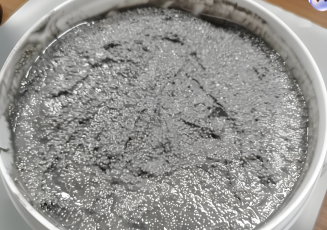
The core advantages of this high-temperature industrial ceramic particle adhesive lie in its extreme high-temperature resistance and wear resistance. Unlike ordinary industrial adhesives, it is added with high-purity alumina ceramic particles with Mohs 8.5 hardness, which can effectively resist material scouring and corrosion under high-temperature environments. After mixing the two components, it can quickly infiltrate substrate gaps and form a dense rigid protective layer after curing, with a tensile strength of 18MPa that can withstand heavy loads and thermal cycle impacts. Its environmental-friendly formula contains no volatile toxic solvents, making it friendly to construction environments, and can bond with various industrial substrates such as metal, ceramic and refractory brick without additional surface treatment, greatly reducing industrial equipment maintenance downtime and costs.
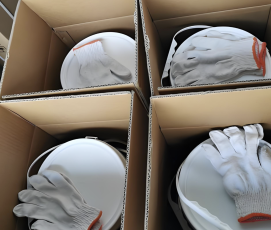
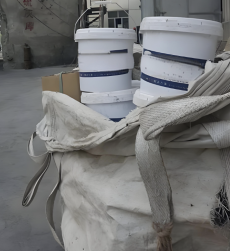
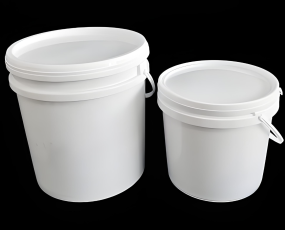
Detailed technical parameters: The two-component mixing ratio is 4:1 (weight ratio), with a net weight of 20kg per drum; the maximum continuous service temperature reaches 1200℃, and it can withstand short-term high temperatures of 1350℃; the shore hardness after curing is 85 Shore D, and the tensile shear strength is ≥18MPa; the construction environment temperature should be kept at 5-35℃, with relative humidity not exceeding 80%; the operable time after mixing is 60 minutes, and full curing takes 24 hours. The cured surface can be polished, painted and other secondary processed; optional colors include gray and beige to match the appearance needs of different industrial equipment, and it complies with RoHS and ISO9001 quality system certification standards.
It is mainly applicable to the repair of steel plant kiln linings, wear-resistant protection of mine conveying chutes, bonding of high-temperature industrial pipelines, and repair of cement rotary kiln lining plates. It can effectively solve problems of equipment wear and gap cracking caused by high-temperature material scouring, and can also be used for bonding and reinforcement of kiln insulation layers, replacing traditional refractory mud and riveting processes to improve equipment service life and operation stability. It is widely adapted to equipment maintenance needs of multiple heavy industry sectors including steel, metallurgy, mining and building materials.








 Post RFQ


 Chat
Chat


 ALL CATEGORIES