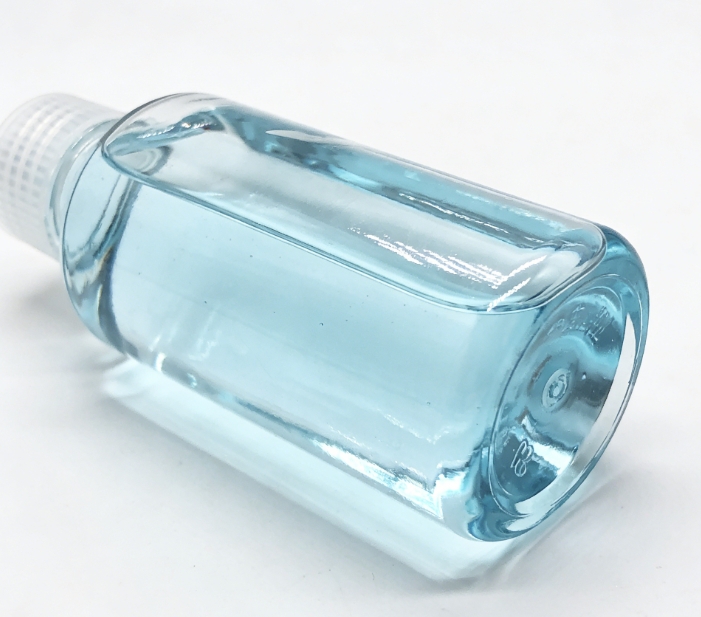
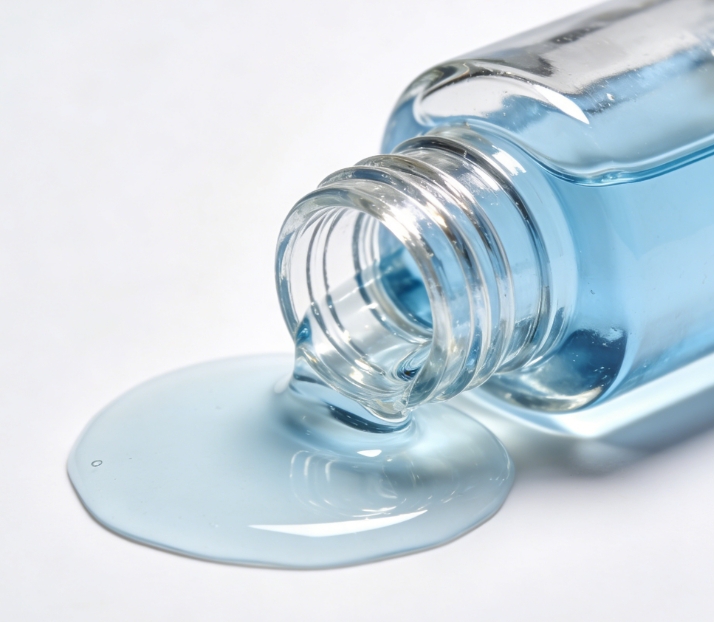


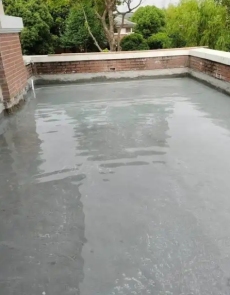
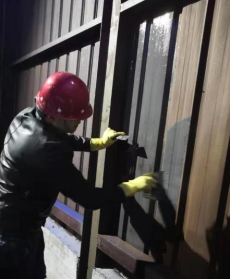
The most significant feature of this adhesive is its low-temperature curing performance, allowing construction and curing in an environment of -5°C to 40°C, eliminating the need for heating equipment, which is particularly suitable for outdoor construction in northern winter. It has good flexibility after curing, adapting to the thermal expansion and contraction of metal components, reducing the risk of secondary cracking caused by temperature changes. It exhibits excellent weather resistance, capable of withstanding long-term exposure to ultraviolet rays and humidity, ensuring stable performance in outdoor environments. The adhesive is easy to operate, with a simple mixing process, and does not require professional construction skills, making it suitable for on-site emergency repairs in cold environments. Additionally, it has good water and oil resistance, ensuring stable performance in humid and oily environments.
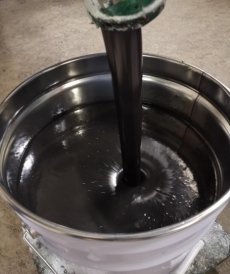
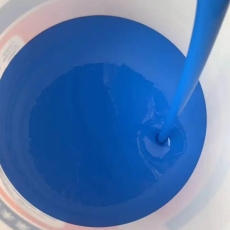
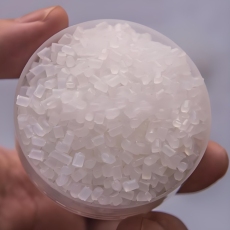
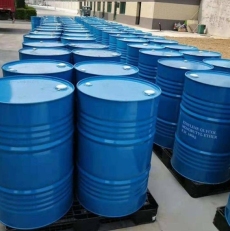
The adhesive has a mixing ratio of 1:1 by weight, with a viscosity of 20000-30000 mPa·s at 25°C, suitable for brush application and injection repair. Each box contains 1kg of the adhesive, with a density of 1.15 g/cm³. After full curing, the Shore hardness is 80D, with a tensile shear strength of 16 MPa between steel substrates. The product has a storage period of 12 months when stored in a cool, dry place at 5-25°C, and should be stored away from direct sunlight and high temperatures. Once mixed, the adhesive should be used within 40 minutes to avoid curing during construction.
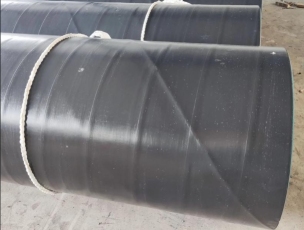
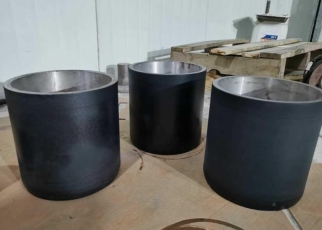
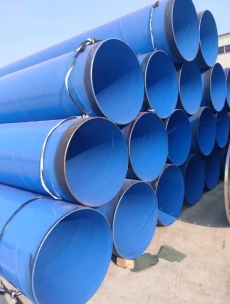
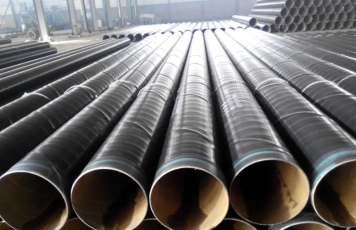
This low-temperature curing foundry adhesive is primarily used for repairing cast iron and steel components of outdoor machine tools in northern China, repairing cracks and holes on cold storage equipment such as refrigerators and freezers. It is also suitable for repairing castings of cold chain transportation machinery such as refrigerated trucks and container refrigeration units. Additionally, it can be used for emergency repairs of outdoor engineering equipment such as construction machinery and pipeline castings in winter, ensuring the normal operation of equipment in low-temperature environments.









 Post RFQ


 Chat
Chat


 ALL CATEGORIES