

Our industrial wear-resistant ceramic adhesive stands out from traditional bonding agents with three core technical advantages: first, the added nano-ceramic filler increases the wear resistance by 65% compared to standard epoxy adhesives, effectively resisting the erosion of sand, gravel, and high-flow media; second, the two-component formula ensures adjustable curing time (2-4 hours for initial curing, full curing in 24 hours) to meet different construction progress requirements; third, it has excellent chemical corrosion resistance, able to withstand the erosion of acid, alkali, and organic solvents in industrial environments. It solves the pain points of frequent maintenance and short service life of traditional industrial bonding materials, providing a durable and cost-effective bonding solution for heavy-duty industrial equipment.
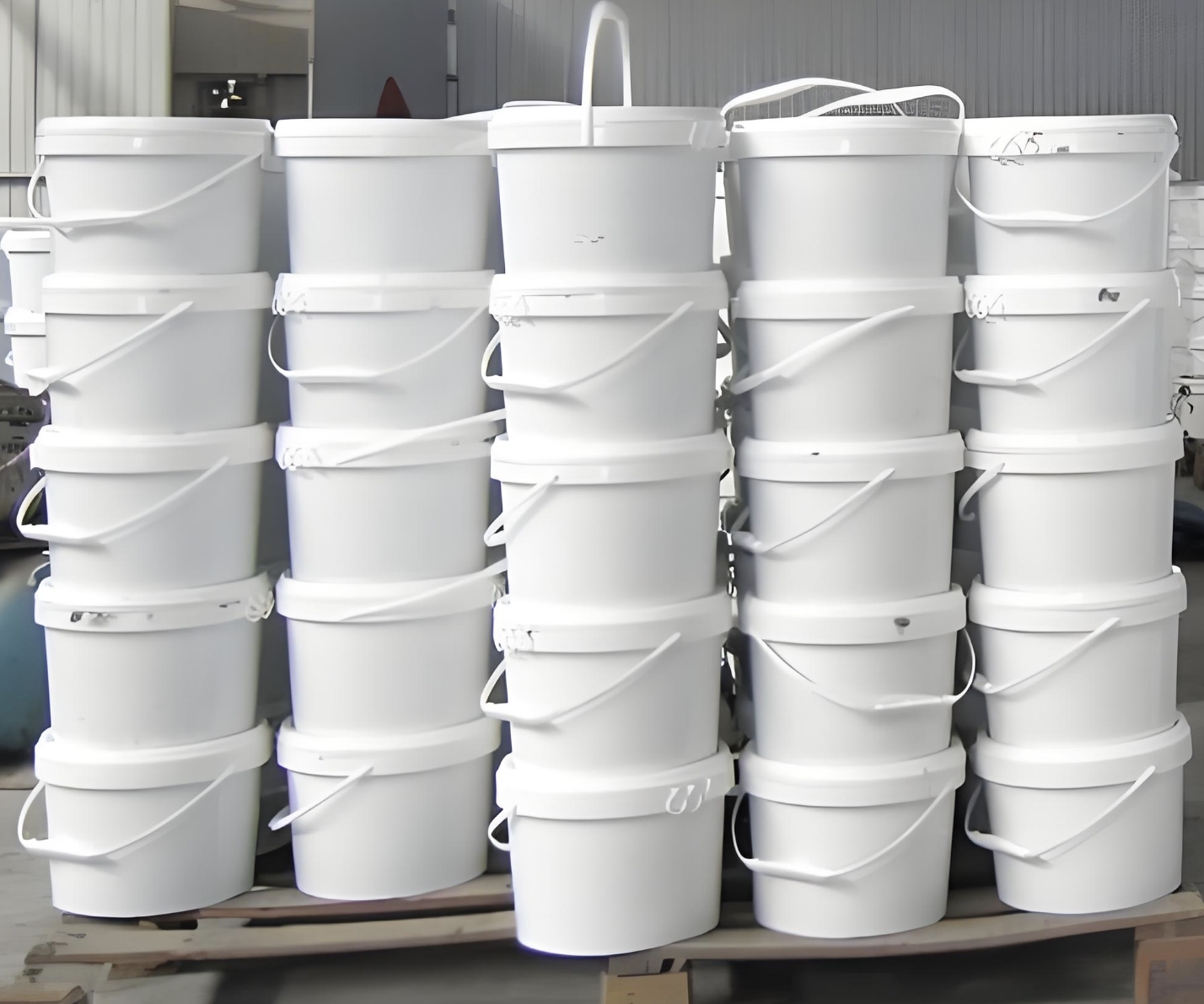
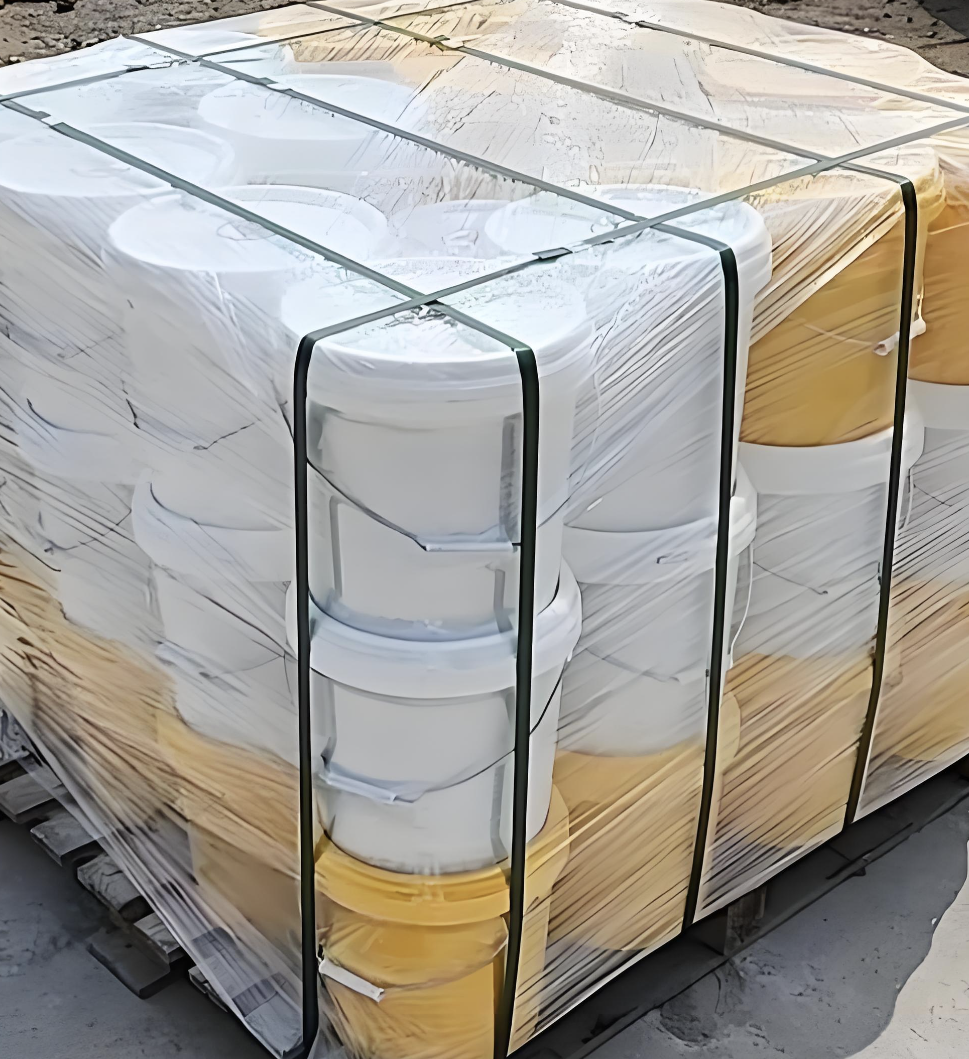
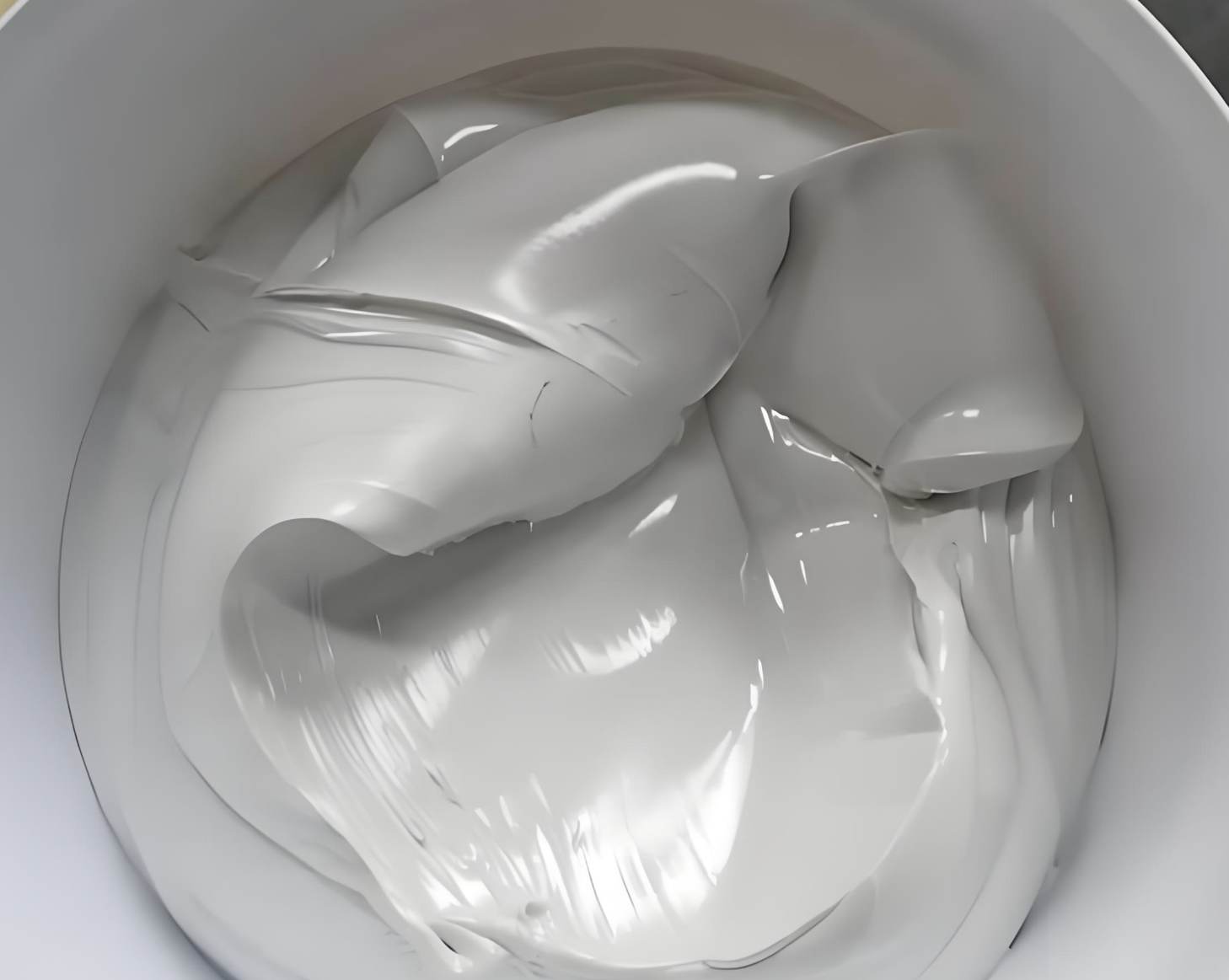
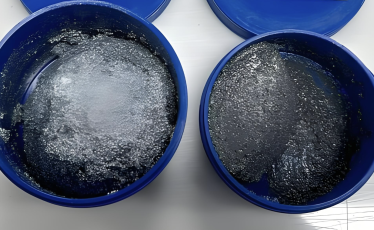
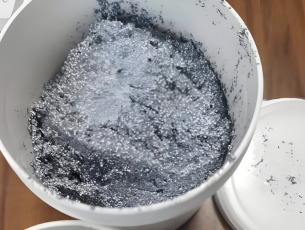
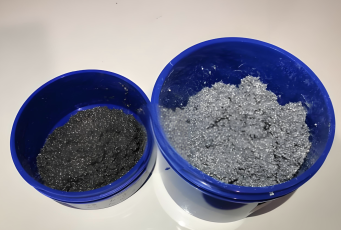
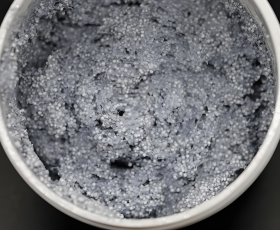
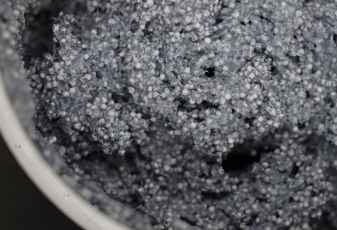
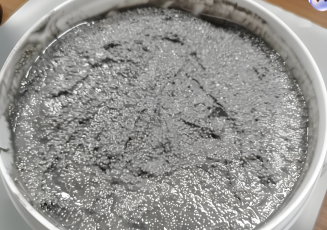
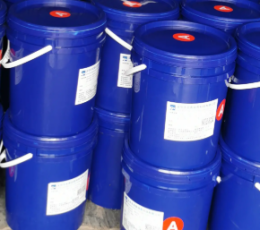
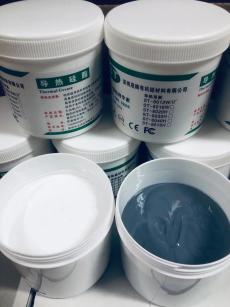
The product specifications are as follows: two-component packaging, component A is gray paste with a viscosity of 8000-10000 mPa·s, component B is light yellow liquid with a viscosity of 500-800 mPa·s; the mixing ratio of A:B is 3:1 by weight; the initial bonding strength reaches 12 MPa within 2 hours, and the ultimate bonding strength can reach 28 MPa after full curing; the density is 1.8 g/cm³, the tensile shear strength is >25 MPa, and the compressive strength is >80 MPa. The recommended construction temperature is 10-35℃, and the product should be stored in a cool, dry place away from direct sunlight with a shelf life of 12 months unopened.
This adhesive is mainly applicable to heavy-duty industrial fields such as power, mining, and building materials. Typical application scenarios include repairing and protecting the wear-resistant linings of cement kiln equipment, bonding and reinforcing the blades of power plant fan impellers, sealing and repairing the inner walls of mining conveying pipelines, and bonding ceramic wear-resistant tiles to metal surfaces. It can also be used for the repair of wear-resistant parts of port handling equipment and large-scale mechanical equipment, effectively reducing the frequency of equipment shutdowns and maintenance costs, and improving the operational efficiency of industrial production lines.









 Post RFQ


 Chat
Chat





 ALL CATEGORIES