




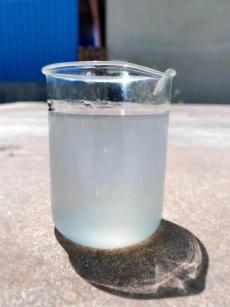
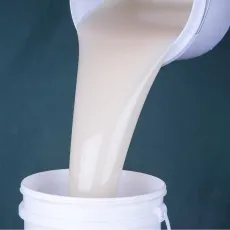
This product features moderate particle size and good permeability, allowing it to fully penetrate the gaps of refractory aggregates to form a strong cross-linked network structure. Its high temperature resistance exceeds 1600℃, ensuring stable performance in high-temperature industrial furnaces. It has low viscosity, making it easy to mix with refractory aggregates and uniformly distribute during production. It contains no harmful volatile substances, meeting national environmental protection standards and complying with GB/T 20020 industry specifications. Compared to traditional organic binders, it has longer service life and lower replacement frequency for industrial furnaces.
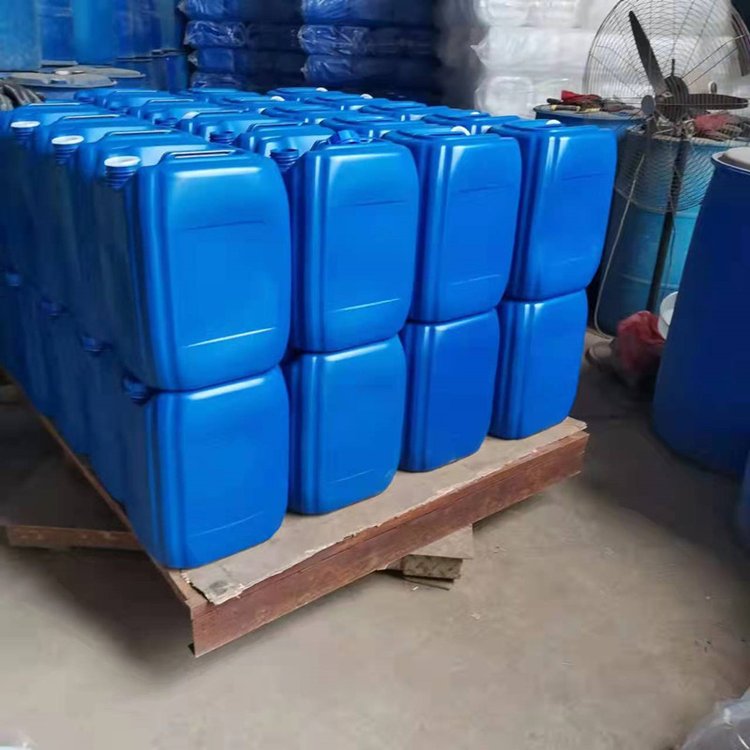
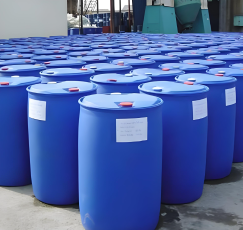
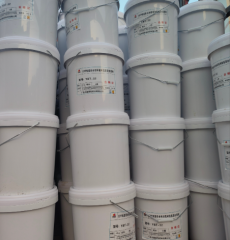
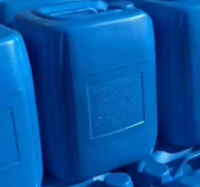
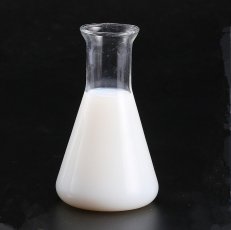
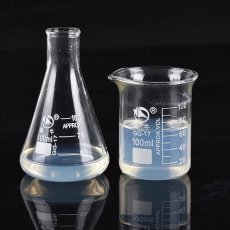
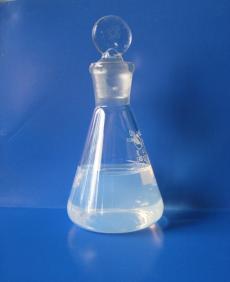
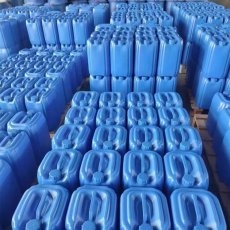
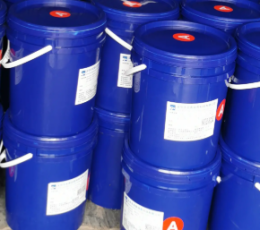
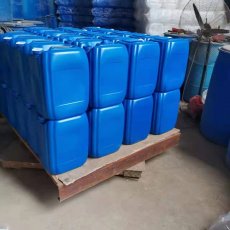
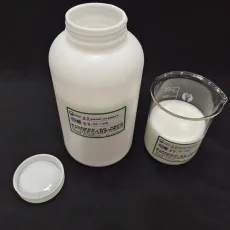
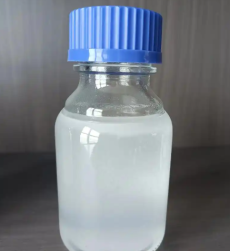
The product has a solid content of 25±1wt%, with a viscosity range of 2.0-3.0mPa·s, suitable for mixing with various refractory aggregates. The silica particle size is controlled between 20-40nm, ensuring optimal binding effect and structural stability. The pH value is maintained at 8.5-9.5, matching the pH requirements of most refractory production processes. It can be packaged in 1000kg IBC tanks for large-scale industrial production or 25kg HDPE drums for small-batch orders. The shelf life is 6 months when stored at 0-35℃ away from freezing.
This refractory silica sol is primarily used as a binding agent for high-temperature refractory materials, including refractory bricks, castable refractory, plastic refractory, and ceramic fiber products. It is widely applied in steel smelting furnaces, cement kilns, ceramic firing furnaces, and other high-temperature industrial equipment. Target industries include steel manufacturing, non-ferrous metal smelting, cement production, and ceramic processing. It helps improve the service life of refractory linings and reduce maintenance costs for industrial facilities.








 Post RFQ


 Chat
Chat


 ALL CATEGORIES