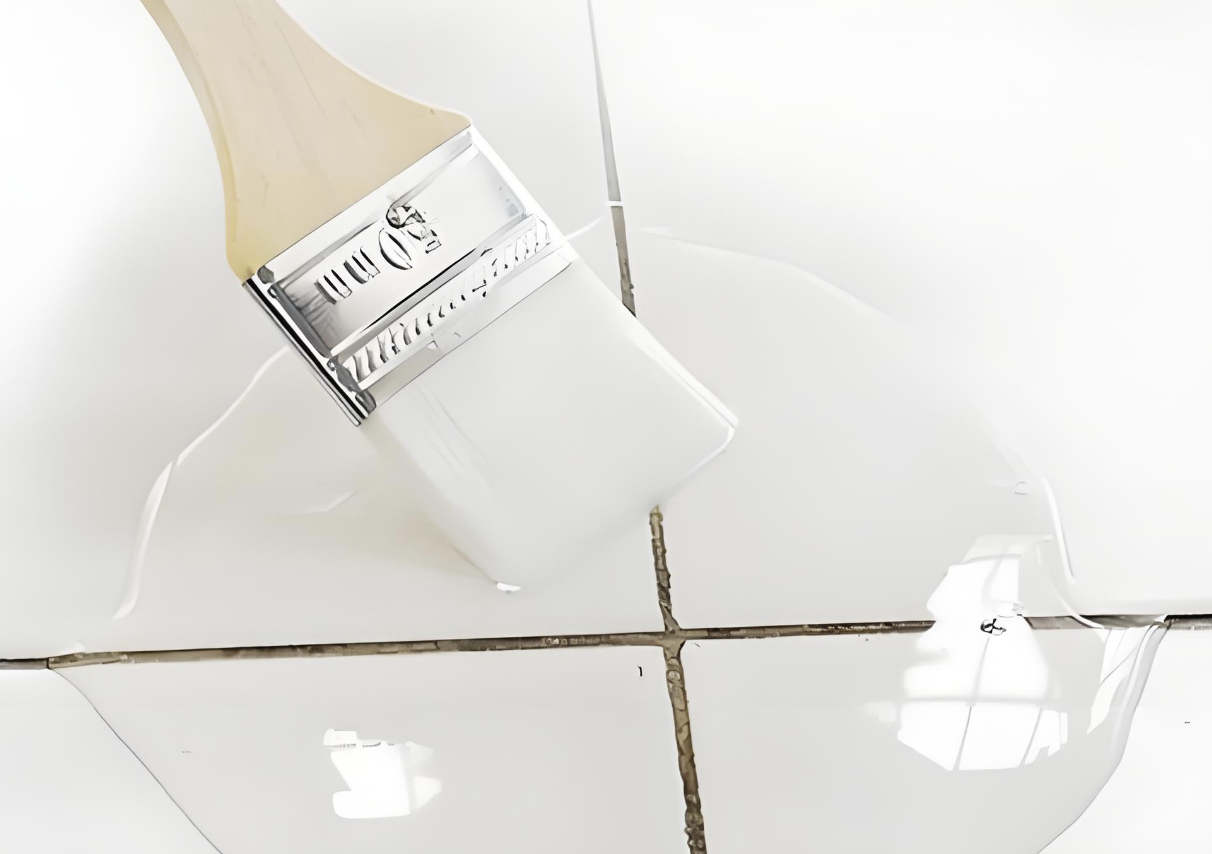
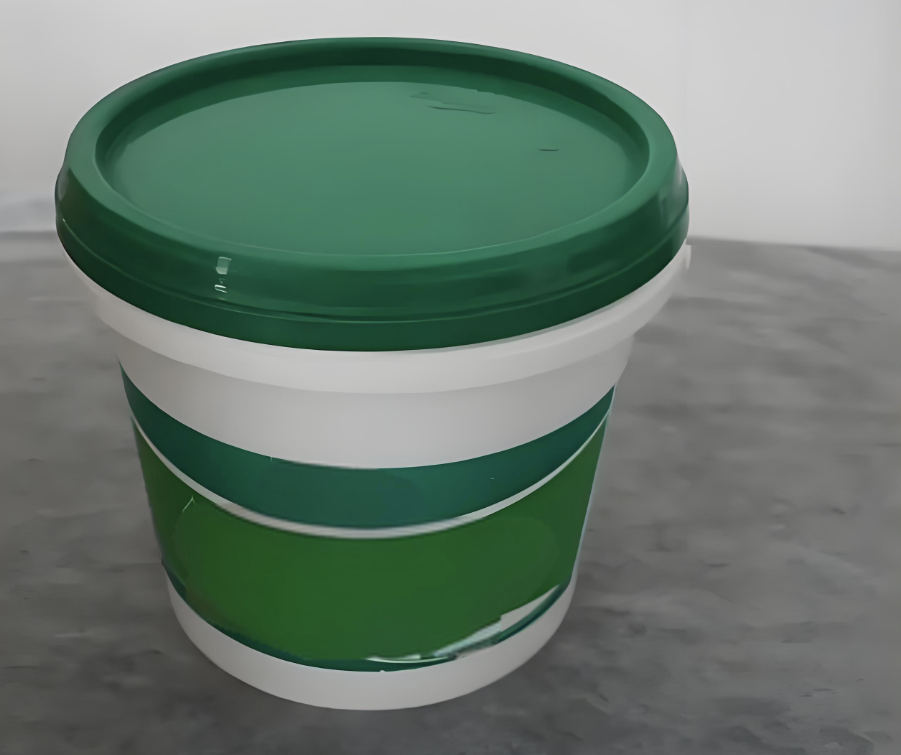


The core highlights of this product are its ultra-fast UV curing speed and ultra-high transmittance, solving the pain points of obvious repair traces and long curing time of traditional ceramic adhesives. It adopts a low-viscosity formula, which can be precisely dispensed through a syringe, adapting to precise and small repair gaps, and is suitable for fine repair of crafts and ornaments. It will not yellow after curing, and can maintain a transparent appearance after long-term use, preserving the aesthetic appearance of the products. It also has excellent waterproof performance, and will not fall off or whiten after daily water immersion. The product is suitable for bonding of most transparent ceramics, glass and crystal materials, providing professional precision repair solutions for craft repairers and home lovers, and only requires a UV light source to complete curing without complex construction equipment.
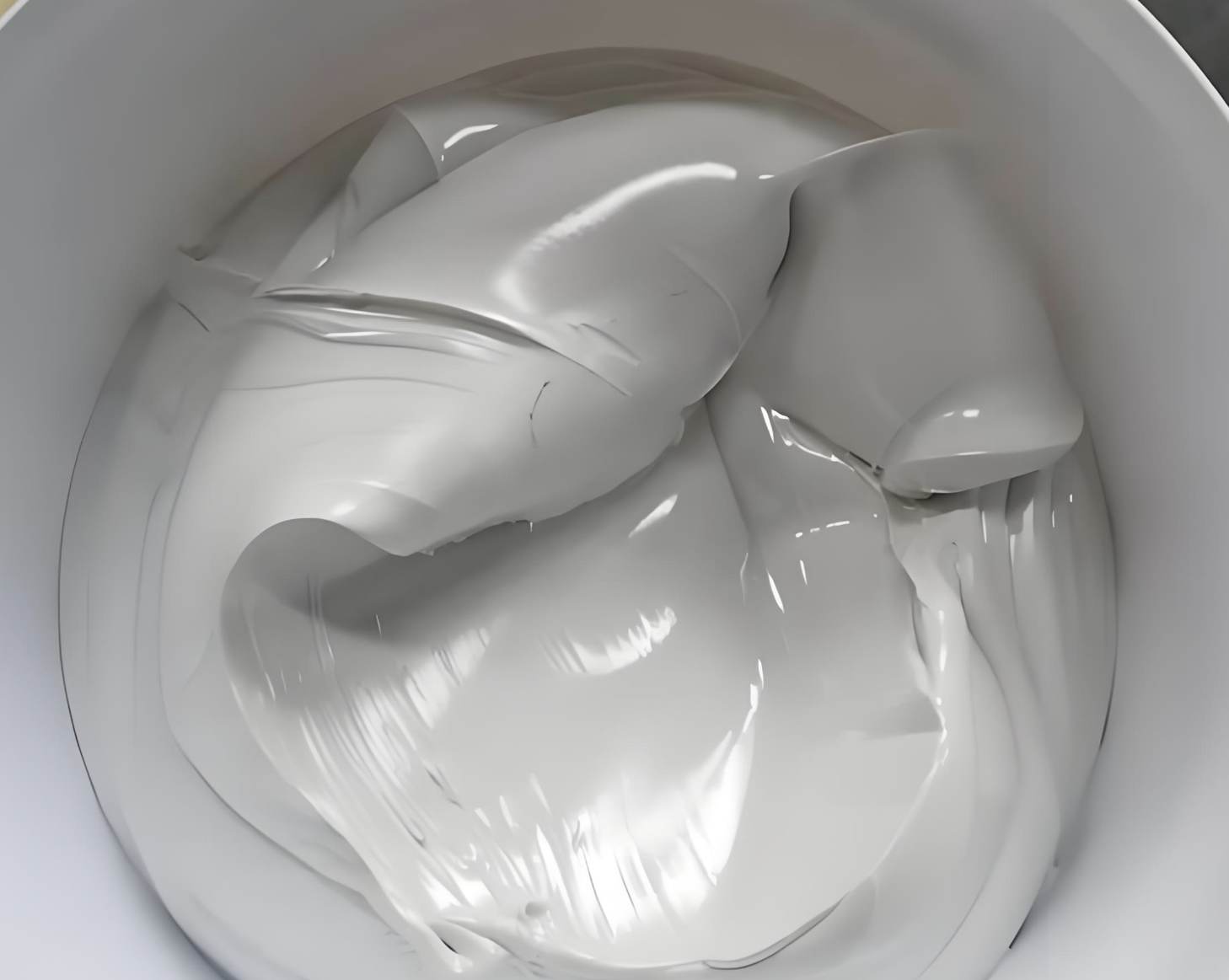
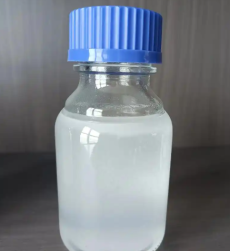
It is packaged in a single component, with a single specification of 20ml per syringe, and the appearance is colorless transparent liquid, with a viscosity of 500-800mPa·s, adapting to precision dispensing. Under 365nm UV light, it can complete surface curing in 10-30 seconds, and reach full curing strength in 24 hours. The shear strength is ≥10MPa and the tensile strength is ≥12MPa, which can meet the bonding needs of conventional transparent ceramic products. The transmittance is ≥92% at 550nm wavelength, and the repair trace is almost invisible. It has excellent anti-yellowing performance, and will not yellow after long-term exposure to sunlight. The shelf life is 12 months, and it needs to be stored in a dark and cool place to avoid premature curing caused by ultraviolet exposure.
It is mainly used for precision repair of transparent ceramics, glass and crystal products, including repairing damaged ceramic crafts, crystal ornaments, transparent ceramic tableware and crystal jewelry, and bonding optical-grade glass and ceramic. It is suitable for precision repair needs of home lovers, craft repairers and jewelry industry, and can repair common damages such as cracks, notches and chipped edges, preserving the original appearance and value of the products. It can also be used for temporary bonding and fixing of optical components, adapting to scenarios such as laboratories, craft shops and home maintenance.








 Post RFQ


 Chat
Chat




 ALL CATEGORIES