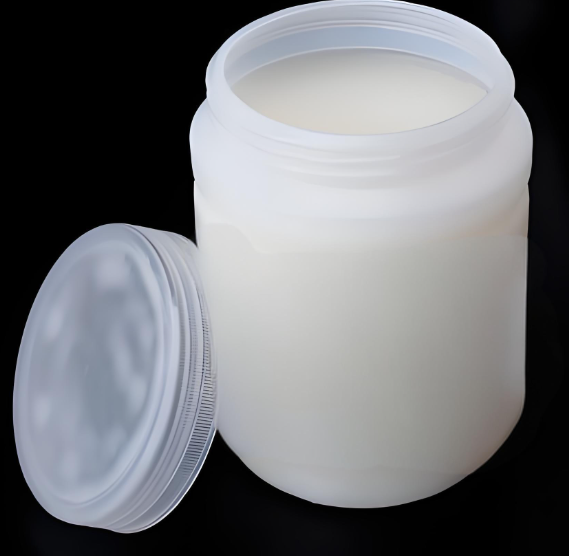
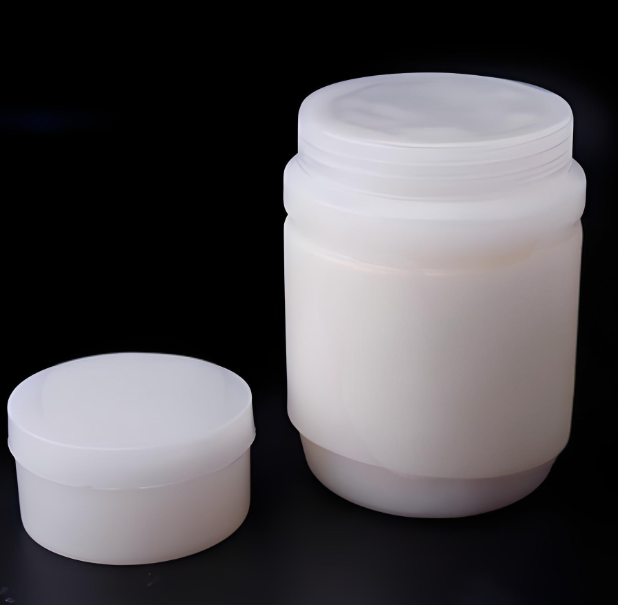





The core advantages of this 3D printing release agent include its compatibility with all major resin and filament materials including UV resin, PLA, ABS, and PETG. Unlike generic household sprays, it is formulated to not corrode common print bed materials including glass, aluminum, and PEI sheets, preserving the integrity and performance of expensive print bed surfaces. Its quick-drying formula forms a durable release layer in less than 30 seconds, reducing setup time for each print job. The water-soluble formulation makes cleanup of excess release agent easy with standard isopropyl alcohol or water, minimizing residue buildup on print beds over time. Additionally, it does not alter the surface finish of 3D printed parts, ensuring that finished products have a smooth, consistent appearance without any oily or sticky residue.
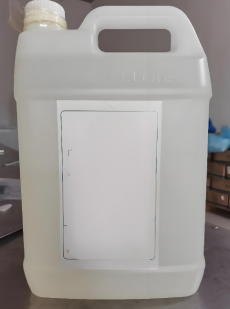
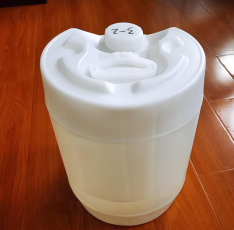
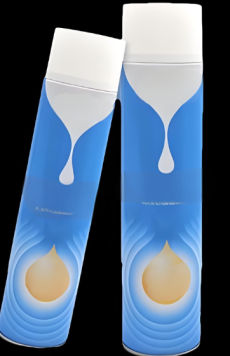
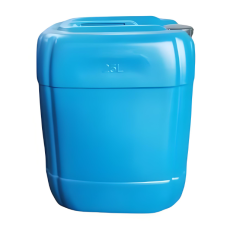
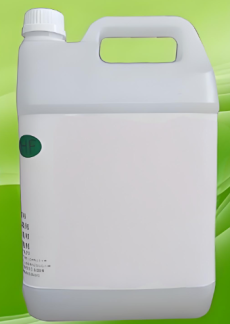
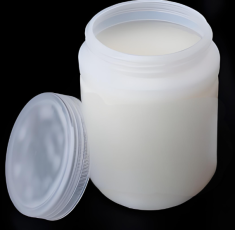
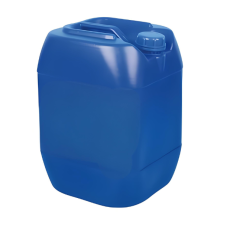
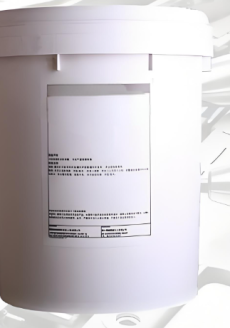
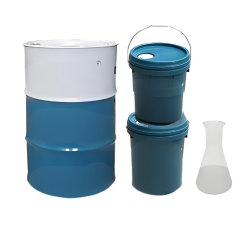
This release agent has a surface tension of 25 to 30 millinewtons per meter, ensuring excellent wetting and uniform coverage on print bed surfaces. It has a viscosity range of 20 to 40 centistokes at 25℃, and a coverage area of approximately 1800 square feet per gallon. The product is available in 16-fluid ounce pressure spray bottles for small-scale use and 1-gallon bulk containers for high-volume production. When stored in a cool, dry environment away from direct sunlight, the product has a shelf life of 12 months. It is compatible with all common 3D printer bed materials including glass, aluminum, PEI, and borosilicate glass, and can be used for both resin FDM and SLA 3D printing processes.
This release agent is ideal for a wide range of 3D printing scenarios, including desktop FDM and resin 3D printing for hobbyists, small-scale custom part manufacturing studios, industrial 3D printing facilities producing mechanical components, and educational institutions teaching 3D printing technology. It can be used on all types of 3D print beds, including glass, PEI, and aluminum, and is suitable for demolding both resin and filament-based 3D printed parts. The easy-to-spray formulation allows for quick application before each print job, reducing setup time and improving overall production efficiency. It is also safe for use with heated print beds up to 120 degrees Celsius, making it compatible with most commercial 3D printing systems.







 Post RFQ


 Chat
Chat


 ALL CATEGORIES