





This product adopts a surface modification treatment process, which improves the dispersibility and compatibility of the product in the coating system, and can be uniformly dispersed in water-based and solvent-based coatings to avoid agglomeration. The ultra-fine particle size can improve the hiding power and gloss of the coating, reduce the use of expensive pigments such as titanium dioxide, and reduce the production cost of coatings. The accurately controlled oil absorption value can optimize the viscosity and leveling properties of the coating, improve the construction performance. At the same time, it has passed ISO 9001 quality system certification and EPA compliance certification, meeting the environmental protection standards of the global coating industry, and helping coating production enterprises improve product quality and reduce raw material procurement costs.
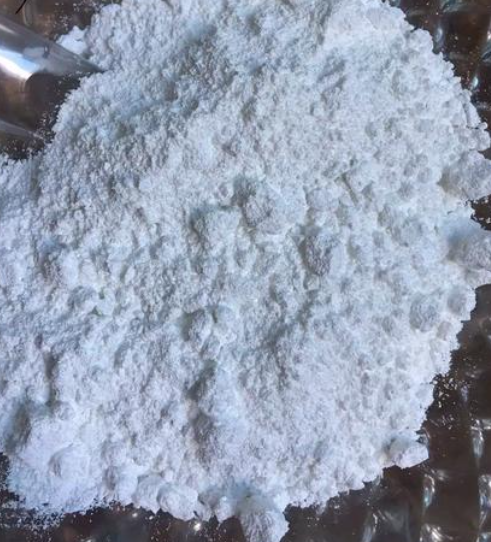
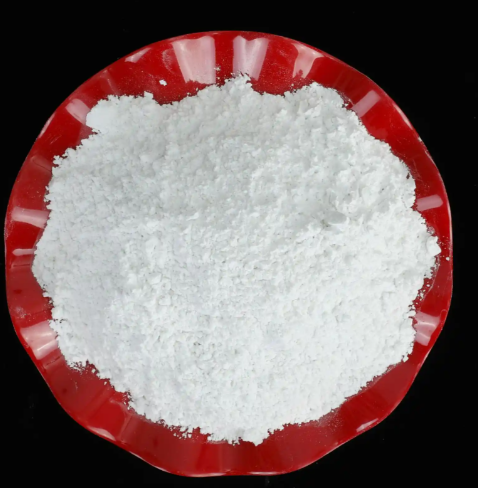
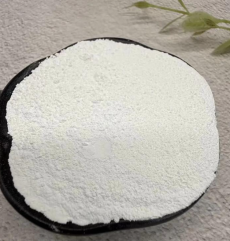
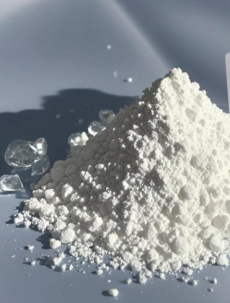
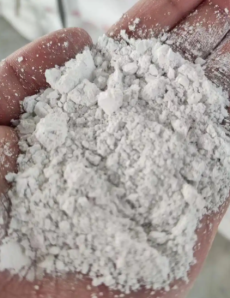
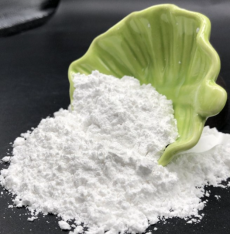
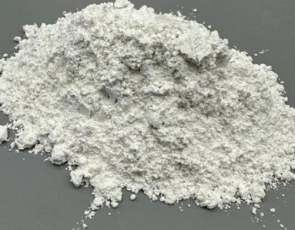
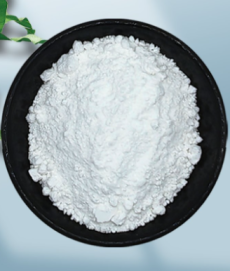
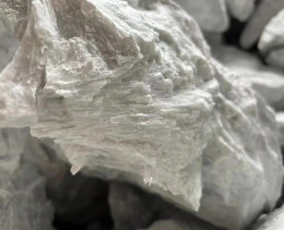
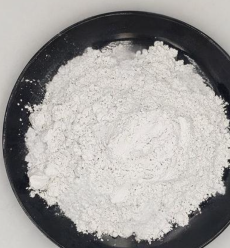
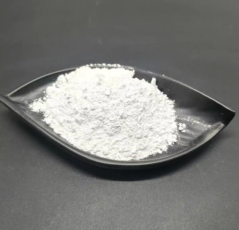
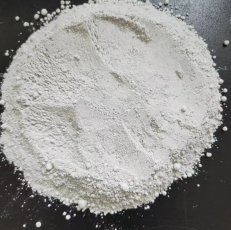
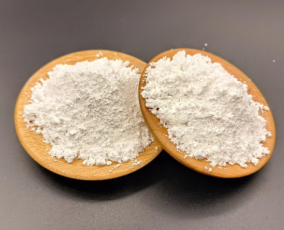
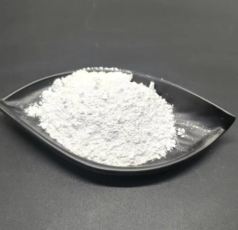
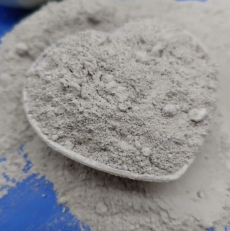
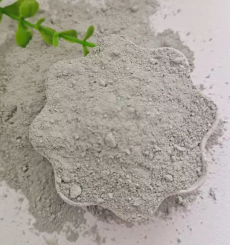
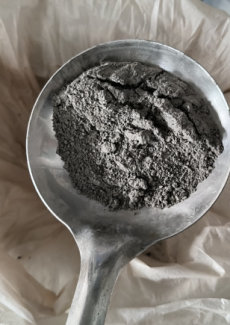
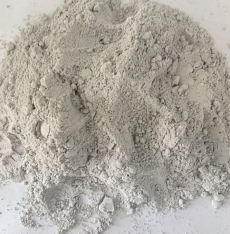
The product appears as a white fine powder, odorless and tasteless. The average particle size is 2 μm, and 90% of the particles have a particle size of ≤2.5 μm. The purity is not less than 99.2%, and the whiteness reaches 95% R457. The moisture content is ≤0.1%, and the pH value is stable at 8.2-9.2. The oil absorption value is 65 g/100g, and the dispersibility is excellent, with a dispersion rate of more than 99% in water-based coatings. The bulk density is 0.9 g/cm³. The packaging uses 50kg food-grade polypropylene woven bags, and 1-ton ton bags can be customized according to customer needs. It complies with ISO 9001 quality system certification and EPA environmental protection standards, and has no harmful volatile substances released.
It is mainly used in the coating industry. It can be used as a filler added to water-based architectural coatings to improve the hiding power and scrub resistance of the coating. It can be used in industrial coatings such as automotive original coatings and home appliance coatings to improve the gloss and leveling properties of the coating. It can be used in powder coating formulas to improve the melting flow properties of powder coatings. In addition, it can be used in inks, adhesives and other fields as a filler to improve the stability and performance of products, and is suitable for architectural coating production, industrial coating manufacturing, powder coating processing, ink production and other subdivided scenarios.








 Post RFQ


 Chat
Chat


 ALL CATEGORIES