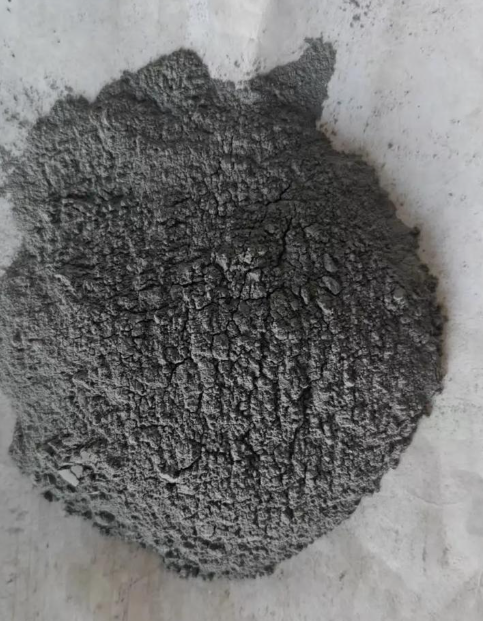
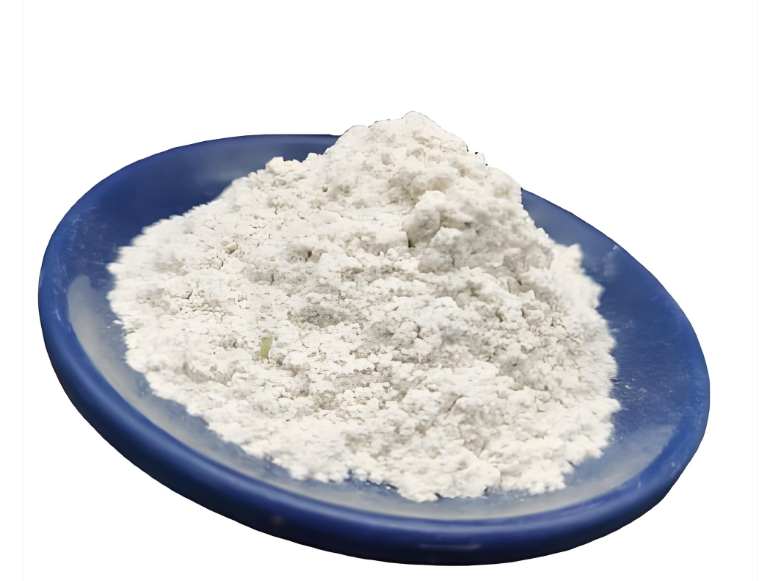





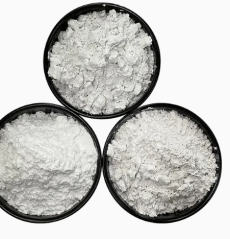
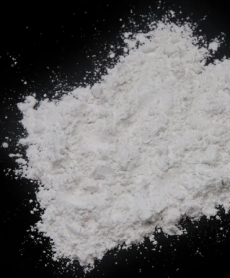
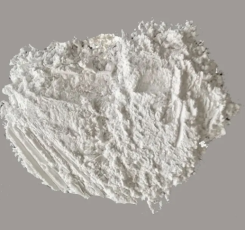
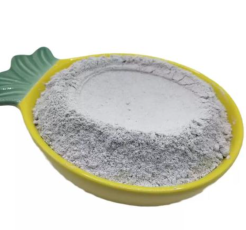

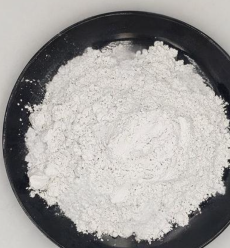
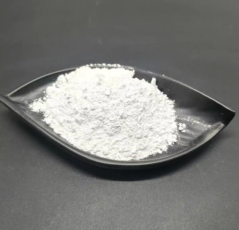
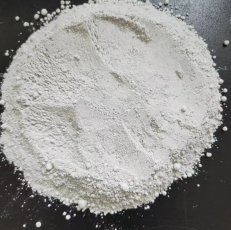
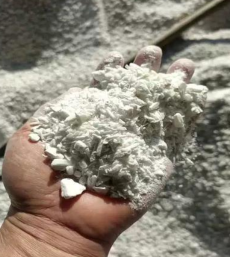
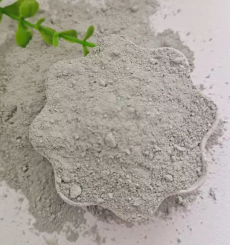
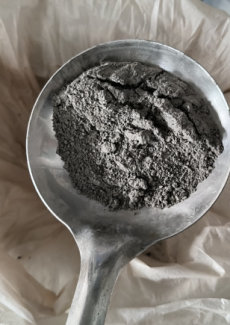
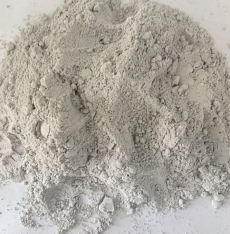
This refractory grade coarse wollastonite powder's key advantage lies in its high refractoriness and excellent thermal stability, making it suitable for use in extreme high-temperature industrial environments. The 80 mesh coarse particle size ensures excellent flowability during refractory mixing and casting, reducing the need for additional binders and improving the overall density of refractory products. Its low iron oxide content prevents discoloration and degradation of refractory products during high-temperature firing, ensuring consistent product quality over long service lives. Additionally, it offers excellent resistance to alkaline and acidic slag corrosion, extending the service life of industrial furnaces and boilers by up to 20% compared to traditional refractory materials. It is also a low-cost alternative to high-purity refractory fillers, helping manufacturers reduce raw material costs by up to 18% while maintaining or improving product performance.
The technical specifications of this refractory grade wollastonite powder include a minimum SiO2 content of 88.0%, with Fe2O3 content restricted to ≤0.8% to prevent thermal degradation of refractory products at high temperatures. The average particle size is precisely controlled at 180μm, with 98% of particles passing through an 80 mesh sieve to ensure optimal flowability during refractory mixing and casting. The refractoriness is measured at ≥1540℃, ensuring that the powder remains stable during high-temperature firing processes up to 1500℃. The moisture content is capped at 0.3% to prevent steam bubble formation during refractory curing, while the loss on ignition is limited to 2.0% to avoid excessive gas emission during high-temperature use. Each 1 ton waterproof woven jumbo bag is designed to protect the powder from moisture and contamination during storage and transport.
This refractory grade coarse wollastonite powder is primarily used as a raw material in the manufacturing of high-temperature refractory bricks, castables, ceramic fiber boards and insulating refractory materials. It is widely applied in industrial furnaces, power plant boilers, steel manufacturing equipment, cement kilns and incinerators, where it helps to improve the thermal stability and corrosion resistance of refractory linings. It can be added to refractory formulations at a dosage of 10-25% of the total raw material weight, improving the mechanical strength and dimensional stability of refractory products. Additionally, it can be used as a fluxing agent in the production of ceramic fibers, reducing the melting temperature of fiber formulations and lowering energy consumption during manufacturing. It is a cost-effective and sustainable material solution for the global refractory industry.









 Post RFQ


 Chat
Chat


 ALL CATEGORIES