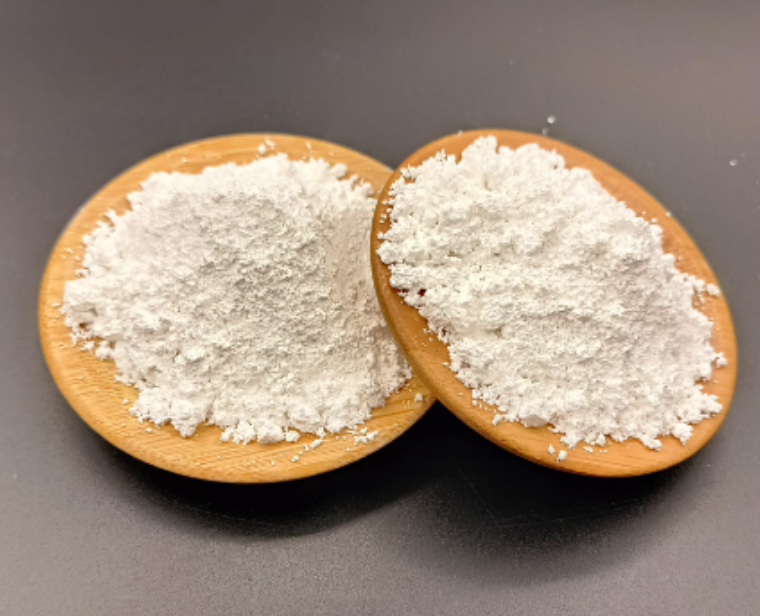
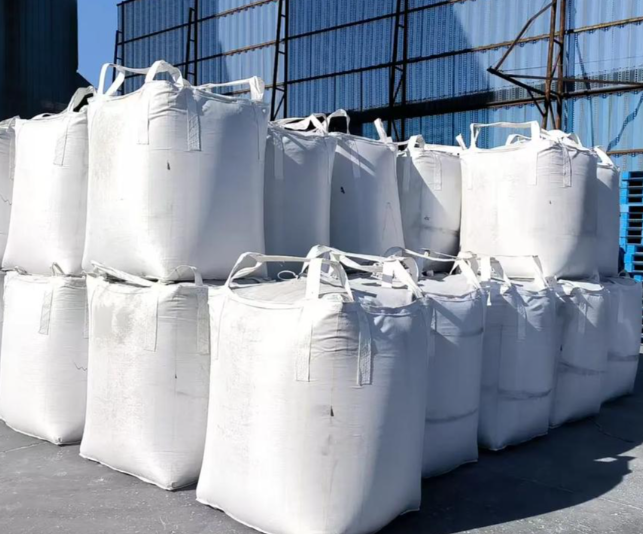





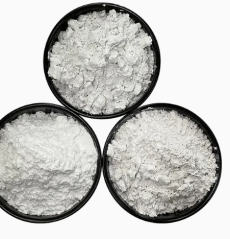
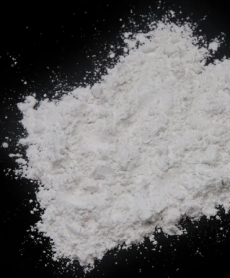
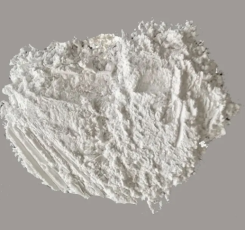
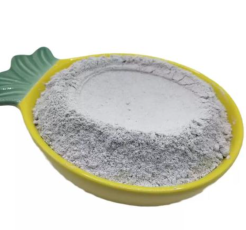

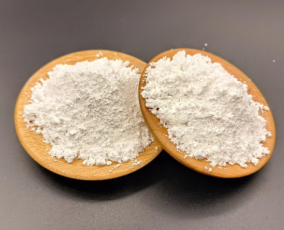
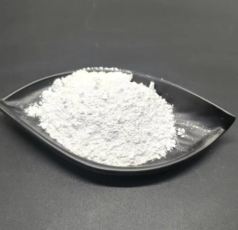
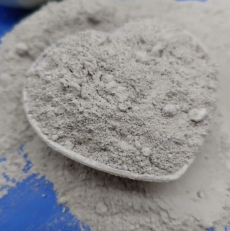
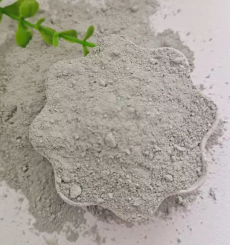
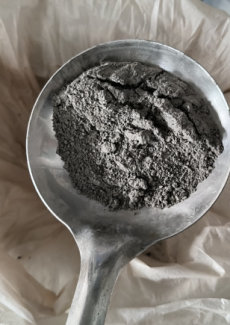
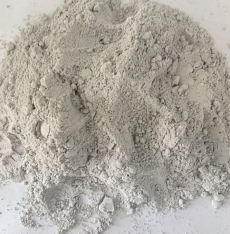
This food and pharmaceutical grade wollastonite powder stands out due to its strict compliance with global food and pharmaceutical safety regulations, making it suitable for direct contact with food and pharmaceutical ingredients. Its precise particle size distribution ensures excellent anti-caking performance, preventing clumping of powdered food products and improving the flowability of pharmaceutical granulation materials. The ultra-low moisture content and microbial limits ensure that the powder remains free from contamination during storage and transport, reducing the risk of product spoilage or non-compliance with regulatory standards. Additionally, it is chemically inert, meaning it does not react with food or pharmaceutical ingredients, preserving the original nutritional value and efficacy of finished products. It is also easy to handle and mix, with minimal dust emission during processing to ensure a safe working environment for manufacturing staff.
The technical specifications of this food and pharmaceutical grade wollastonite powder include a minimum SiO2 content of 95.0%, with all heavy metal contaminants, including lead, arsenic and cadmium, kept below 10ppm each to meet FDA 21 CFR Part 172.210 standards. The average particle size is precisely controlled at 25μm, with 99% of particles passing through a 500 mesh sieve to ensure uniform mixing with food and pharmaceutical ingredients. The moisture content is capped at 0.1% to prevent clumping during storage, while the loss on ignition is limited to 1.0% to avoid any harmful byproducts during manufacturing. Each 5kg food-grade plastic drum is sealed with a waterproof liner to protect against moisture and contamination, and all batches are tested for microbial limits, with total plate count restricted to ≤100 CFU/g to meet pharmaceutical manufacturing standards.
This food and pharmaceutical grade wollastonite powder is primarily used as an anti-caking agent in powdered food products, including seasonings, powdered coffee, protein powders and dietary supplement blends, where it prevents clumping and improves the flowability of powdered materials during packaging and dispensing. It is also used as a binder and filler in pharmaceutical tablets and capsules, improving the structural integrity and dissolution rate of finished drug products. Additionally, it can be used as a filtration aid in the pharmaceutical and food processing industries, helping to remove impurities from liquid food and drug products. It is approved for use in organic food and pharmaceutical products, making it a preferred material for manufacturers focused on sustainable and clean-label production.








 Post RFQ


 Chat
Chat


 ALL CATEGORIES