
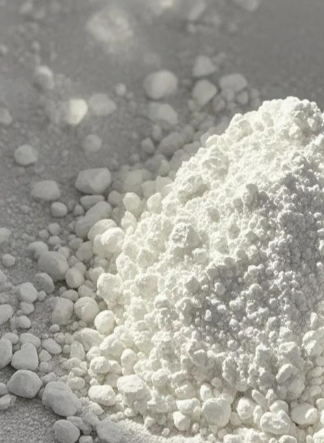





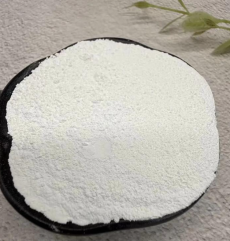


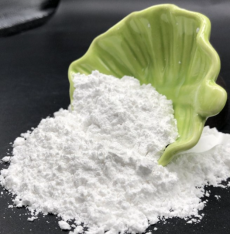
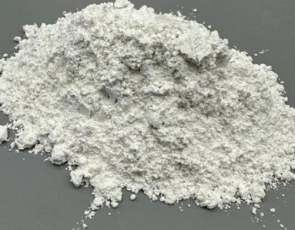
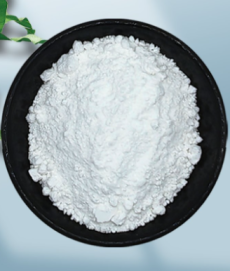

This product solves the common pain points of conventional unmodified GCC in plastic processing, such as poor compatibility with resin matrixes, particle agglomeration and reduced mechanical properties of finished products. The silane coupling agent coating on the particle surface forms a stable bridge between the calcium carbonate particles and the resin matrix, improving the dispersion uniformity of fillers in plastic materials. Unlike unmodified GCC that can reduce the toughness of plastic products, this treated GCC maintains good impact resistance while enhancing rigidity. Its narrow particle size distribution ensures consistent performance across batch production, and low moisture content prevents foam generation during plastic extrusion processing, reducing production waste and equipment maintenance costs.
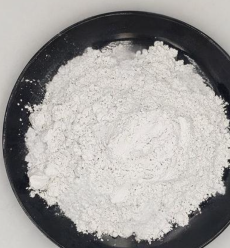
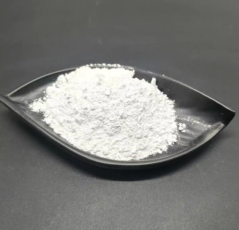
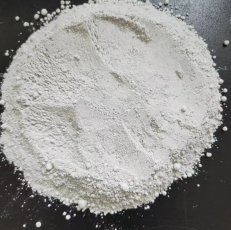
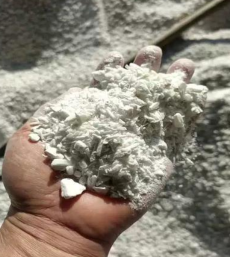
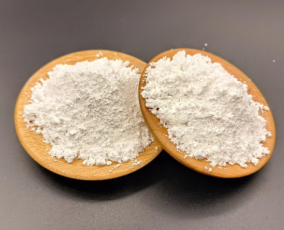
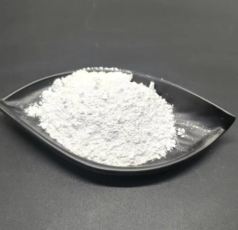
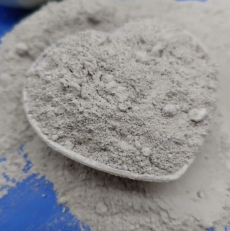
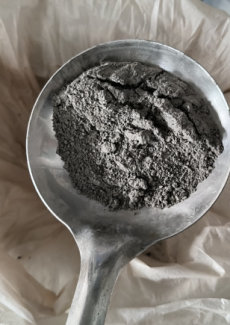
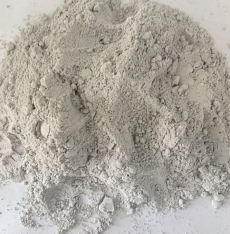
This plastic-grade modified GCC has the following detailed technical specifications: particle size of 800 mesh with average particle diameter of 15 μm, minimum whiteness of 95%, minimum calcium carbonate content of 98.8%, maximum moisture content of 0.15%, oil absorption of 58 g per 100g of product, bulk density of 0.62 g/cm³, pH value ranging from 8.5 to 9.5, heavy metal content limited to less than 3 ppm, packaged in 25kg woven polypropylene bags or 1000kg industrial pallets, with cubic particle morphology that improves flowability during plastic extrusion processing. The silane coupling agent treatment coverage rate reaches 92% to ensure optimal compatibility with resin materials.
This product is widely used in plastic modification processing for industries such as automotive interior parts, packaging plastics, plastic pipes, plastic profiles and daily plastic products. It is added to the resin mixing system during plastic granulation or extrusion processing, evenly dispersed in the resin matrix to improve the mechanical properties of finished plastic products. It can replace 15-40% of virgin resin materials in typical plastic formulas, significantly reducing the production cost of plastic enterprises while maintaining or even improving the performance of finished products. It is also suitable for masterbatch production to improve the dispersion uniformity of color masterbatch and functional masterbatch.










 Post RFQ


 Chat
Chat


 ALL CATEGORIES