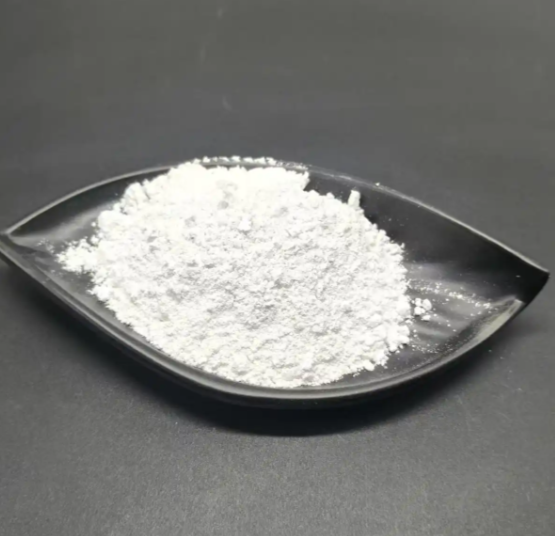
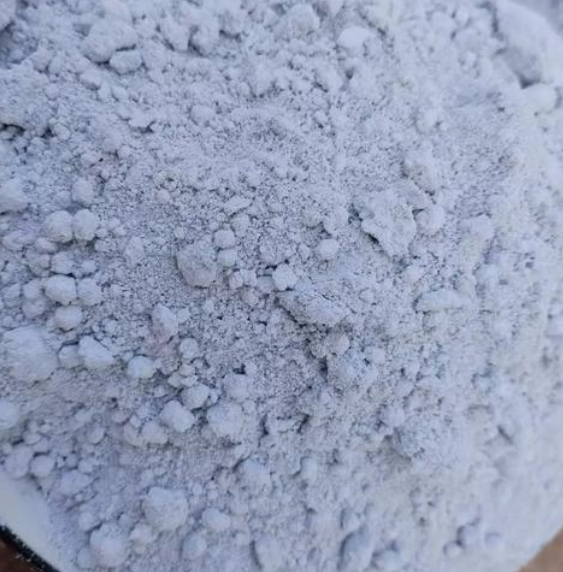





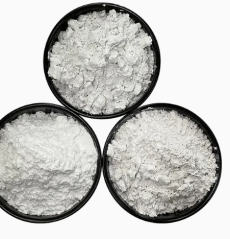
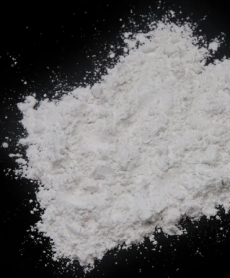
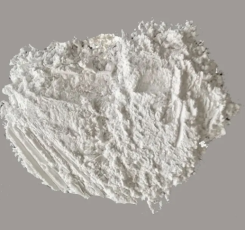
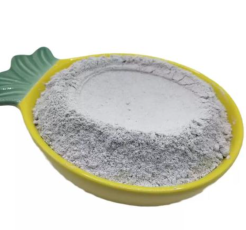

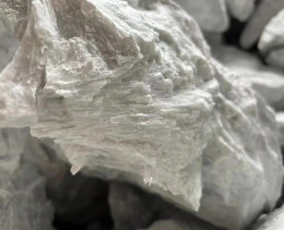
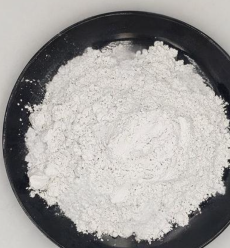
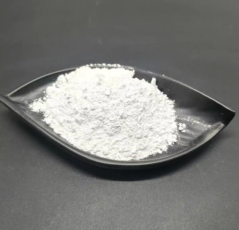
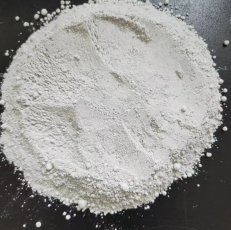
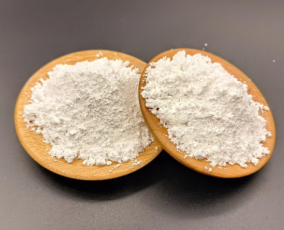
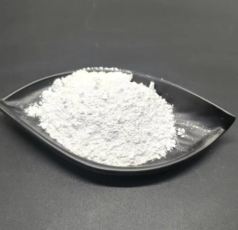
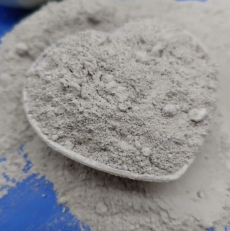
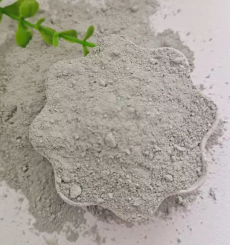
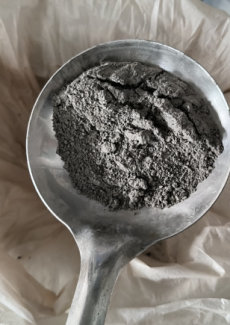
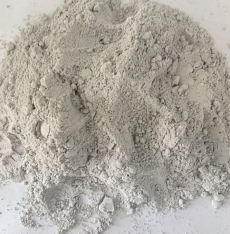
This coating grade wollastonite powder's unique advantages include its ultra-fine particle size and low oil absorption rate, which allow it to be easily dispersed in water-based and solvent-based coating formulations. Unlike traditional calcium carbonate fillers, it does not react with acidic coating components, ensuring long-term stability of the coating formula. The low oil absorption rate reduces the amount of binder required in the coating formulation, lowering production costs while maintaining the coating's adhesion and flexibility. Additionally, its high whiteness improves the brightness of coated surfaces, allowing manufacturers to achieve consistent color tones across large production batches. It also enhances the weatherability of coated surfaces, reducing fading and chalking due to UV radiation exposure over time.
The technical specifications of this 2000 mesh coating grade wollastonite powder include a minimum SiO2 content of 90.0%, with trace amounts of Al2O3 and Fe2O3 kept below 0.4% each to avoid discoloration of coated surfaces. The average particle size is precisely controlled at 7μm, with 99.8% of particles passing through a 2000 mesh sieve to ensure a smooth and uniform coating finish. The moisture content is capped at 0.18% to prevent clumping during storage and transport, while the loss on ignition is limited to 1.2% to avoid gas emission during coating curing. Each batch is tested for oil absorption, with values ranging from 25-30g/100g to ensure optimal compatibility with most coating binders, including acrylic, polyurethane and alkyd resins.
This ultra-fine coating grade wollastonite powder is primarily used in the manufacturing of architectural wall paints, interior and exterior coatings, wood furniture coatings and automotive refinishing coatings. It is added to coating formulations at a dosage of 10-30% of the total pigment and binder weight to improve the scratch resistance, weatherability and gloss consistency of coated surfaces. It can partially replace titanium dioxide pigments, reducing production costs by up to 15% without compromising the coating's hiding power. It is compatible with both water-based and solvent-based coating systems, and has been validated for use in low-VOC coating formulations to meet strict environmental protection standards in the global coatings industry.








 Post RFQ


 Chat
Chat


 ALL CATEGORIES