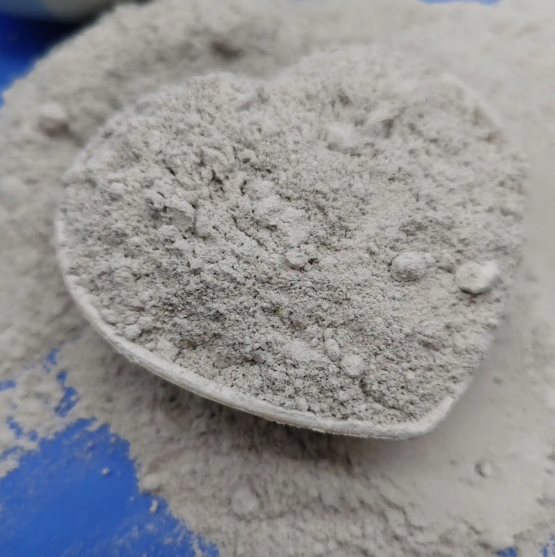
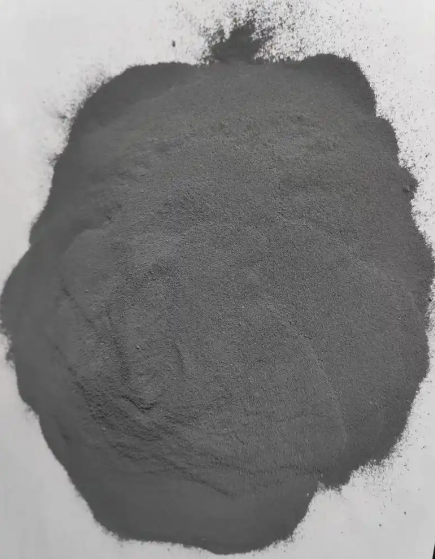





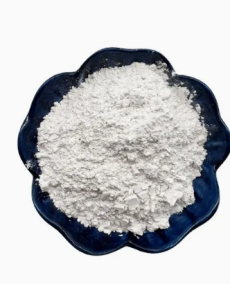
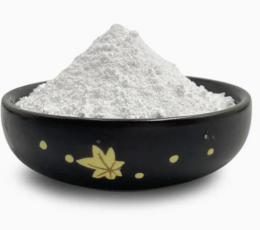
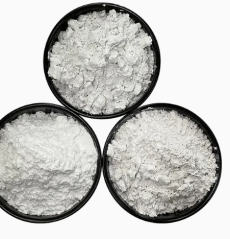
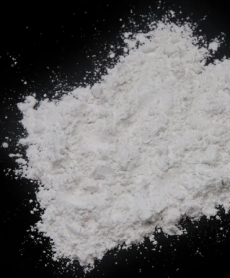
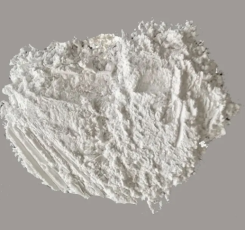
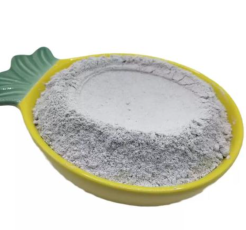

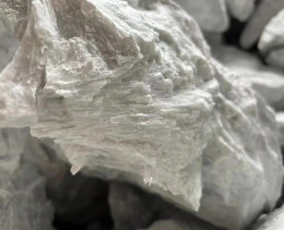
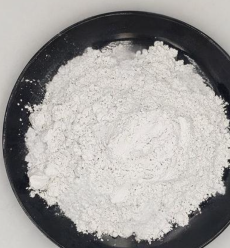
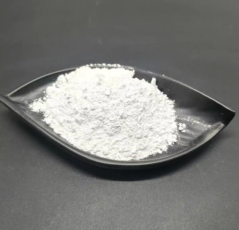
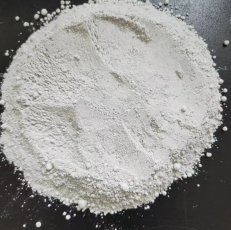
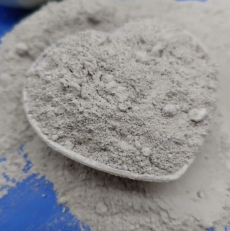
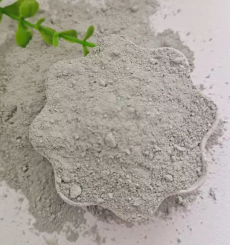
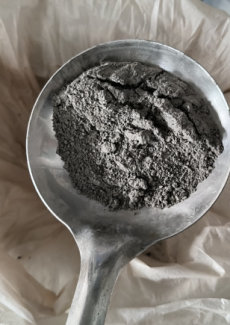
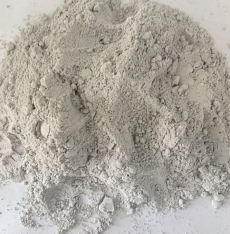
This engineering plastic grade wollastonite powder's key advantage lies in its dual benefits of reinforcement and cost reduction. The 1250 mesh ultra-fine particle size ensures excellent dispersion in plastic resins, avoiding agglomeration that would cause surface defects on finished plastic parts. The silane KH550 surface treatment not only enhances interfacial bonding between the filler and polymer matrix but also improves the water resistance of the final plastic products, extending their service life in humid environments. Compared to traditional glass fiber fillers, this wollastonite powder offers better processing flowability, reducing production energy consumption and lowering the risk of mold wear during injection molding. Additionally, its low oil absorption rate minimizes the need for additional plasticizers, further optimizing formulation costs.
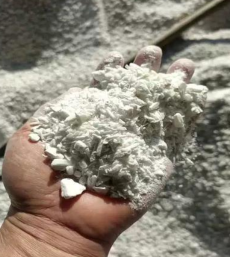
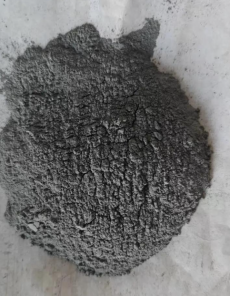
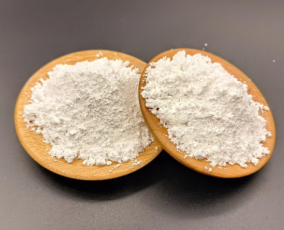
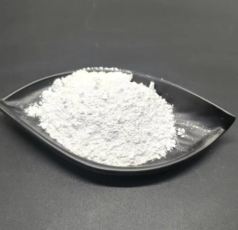
The technical specifications of this surface modified wollastonite powder include a minimum SiO2 content of 91.5%, with iron oxide content restricted to ≤0.3% to prevent yellowing of plastic products. The average particle size is precisely controlled at 10μm, with 99.5% of particles passing through a 1250 mesh sieve to ensure uniform distribution in resin matrices. The surface is coated with silane coupling agent KH550 at a dosage of 0.8-1.2% of the powder weight, ensuring optimal interfacial compatibility with most thermoplastic resins. The moisture content is kept below 0.15% to prevent hydrolysis of the coupling agent during storage, while the oil absorption rate ranges from 22-26g/100g to minimize plasticizer consumption. Each batch is tested for tensile strength enhancement, with a minimum improvement of 12% in polypropylene composites compared to unfilled resins.
This engineering plastic grade wollastonite powder is primarily used as a reinforcing filler in the production of automotive interior components, such as dashboard panels, door trim and seat frames, where high dimensional stability and heat resistance are critical requirements. It is also widely applied in the manufacturing of electronic device housings, power tool components, packaging materials and consumer plastic goods. The powder can be compounded with various thermoplastic resins, including PP, PE, PA6, PA66 and epoxy resins, and is compatible with both dry mixing and melt blending processing methods. It helps manufacturers reduce the total amount of polymer resin used by 10-20% while maintaining or even improving product mechanical performance, making it a cost-effective sustainable material solution for the plastic industry.








 Post RFQ


 Chat
Chat


 ALL CATEGORIES