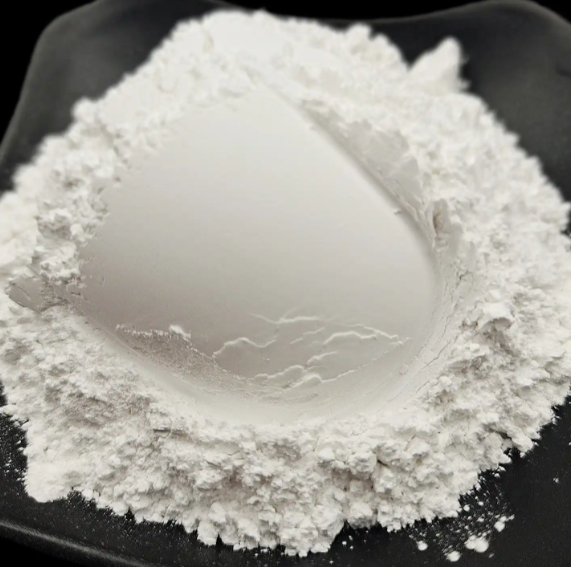
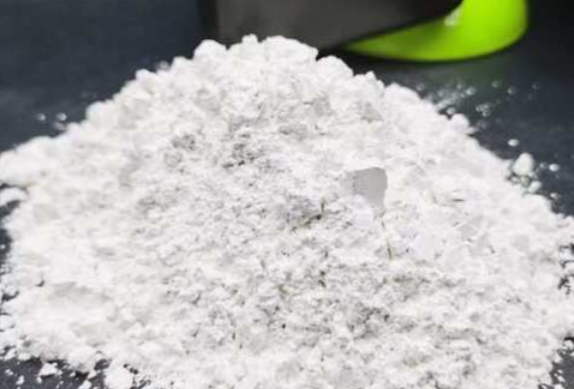





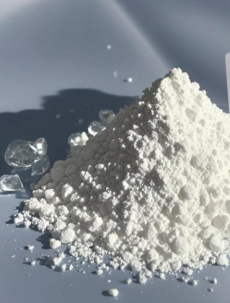
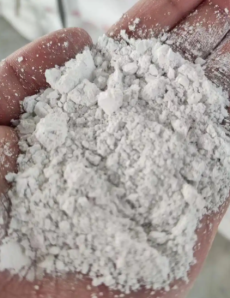
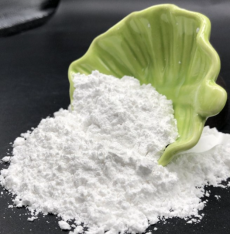
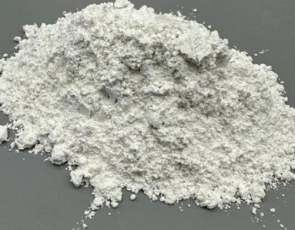
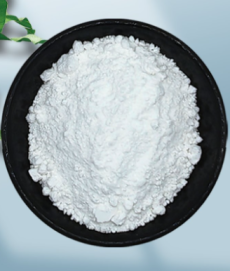

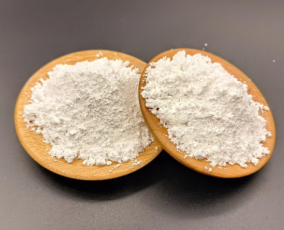
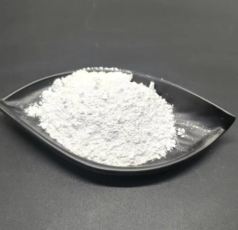
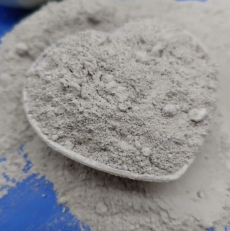
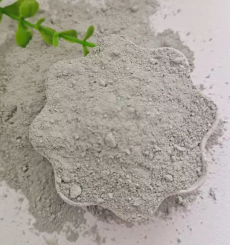
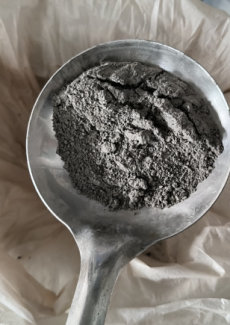
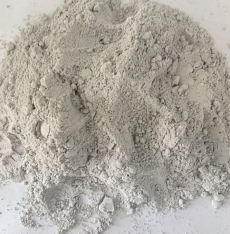
This product stands out from conventional ground calcium carbonate thanks to its precise particle size control and optimized surface properties. Unlike low-grade GCC with uneven particle distribution that causes rough paper surfaces and inconsistent coating performance, this 1250-mesh offering delivers uniform particle size to ensure a smooth, uniform coating layer on paper. The high whiteness and low heavy metal content meet strict food contact safety requirements for non-food packaging paper scenarios. The treated surface enhances compatibility with papermaking coating binders, reducing binder dosage and improving the overall stability of the coating formula. Additionally, its low moisture content prevents foam generation during coating mixing, streamlining production workflows and reducing downtime caused by equipment cleaning. It also exhibits excellent flowability, making it easy to transport and mix in large-scale papermaking production lines without causing blockages in feeding equipment.
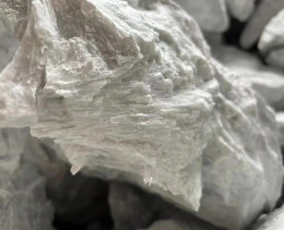
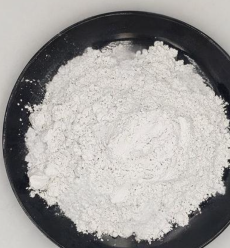
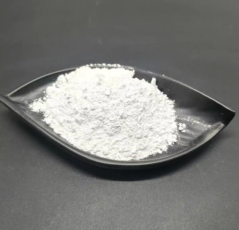
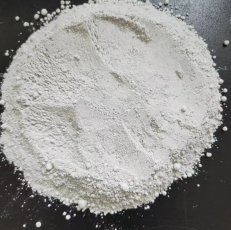
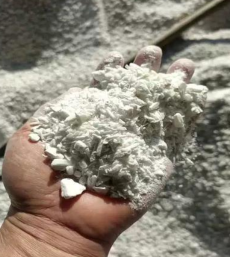
This superfine papermaking GCC has the following detailed technical specifications: particle size of 1250 mesh with an average particle diameter of 10 μm, minimum whiteness of 93%, minimum calcium carbonate content of 98.5%, maximum moisture content of 0.2%, oil absorption of 65 g per 100g of product, bulk density of 0.58 g/cm³, pH value ranging from 8.0 to 9.0, lead, arsenic and cadmium heavy metal content limited to less than 5 ppm, packaged in 25kg food-grade plastic bags or 1000kg industrial pallets, with rhombic particle morphology that improves coating flowability and uniformity during application. It is non-toxic and odorless, meeting industrial environmental protection requirements without releasing harmful substances during production and use.
This product is primarily designed for papermaking coating and filling applications, suitable for a wide range of paper production scenarios including high-grade cultural paper (such as book paper, copy paper), packaging paper (such as corrugated box paper, gift wrapping paper), cattle linerboard and specialty paper products. It is typically added to the coating slurry in papermaking factories, mixed with binders, titanium dioxide and other auxiliaries to form a uniform coating layer on the paper surface. It can replace 10-30% of titanium dioxide in typical coating formulas, significantly reducing the production cost of papermaking enterprises while improving the printing performance, surface smoothness and opacity of finished paper. It is also suitable for the surface sizing treatment of paper products to enhance their water resistance and scratch resistance.








 Post RFQ


 Chat
Chat


 ALL CATEGORIES