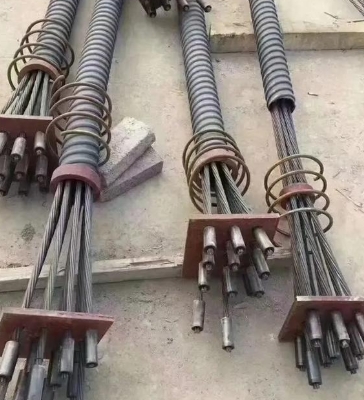
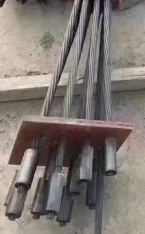





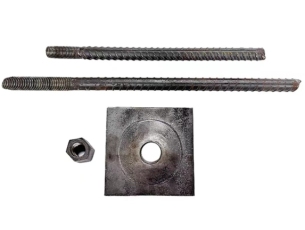
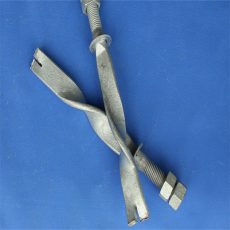
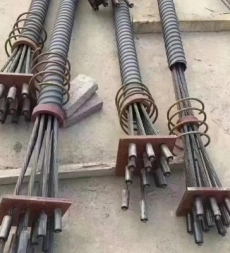
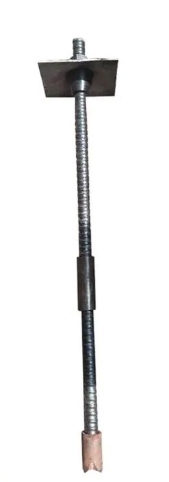
This product has multiple advantages: first, it adopts fine-rolled threaded steel bar material, which has high tensile strength and good anchorage performance, and can meet the requirements of high-load anti-floating support. Second, it adopts prestressed tensioning technology, which can actively adjust the anchorage force according to the actual buoyancy force, effectively controlling the uplift deformation of the basement structure. Third, it is equipped with a special prestressed anchor, which can lock the prestress stably and avoid the relaxation of prestress during the service period. Compared with traditional non-prestressed anti-floating anchors, it can reduce the uplift deformation of the basement structure by more than 80%, which has good structural safety.
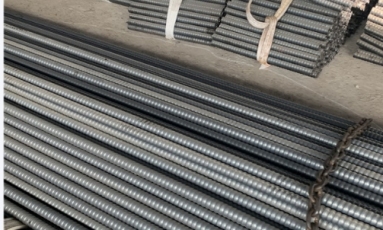
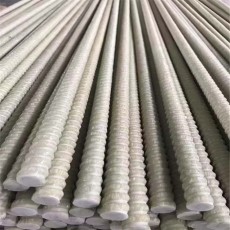
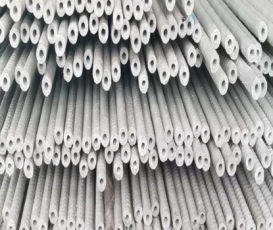
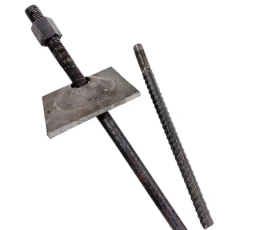
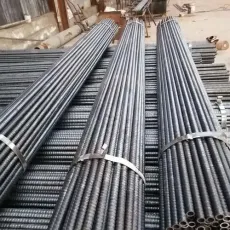
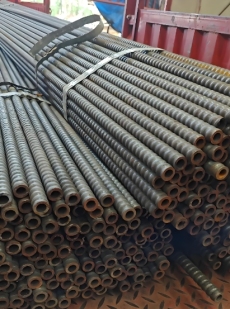
The rod diameter range of this prestressed anti-floating anchor is from φ40mm to φ100mm, and the standard single rod length is 10m (customizable to any length from 5m to 20m). The rated bearing capacity covers 300kN to 800kN, and the prestressed tension range is 100kN to 500kN. The weight per linear meter ranges from 1.2kg/m (φ40) to 7.8kg/m (φ100). It uses M48-M105 specification connecting threads, which is suitable for standard drilling hole diameters from φ120mm to φ180mm. It complies with GB50007 Building Foundation Design Standard and ASTM A722 prestressed steel bar standard. The package is steel bundle packaging, and each bundle can hold 10-20 anchors, which is convenient for long-distance transportation and on-site hoisting.
This product is suitable for super high-rise building basements, large convention and exhibition centers, airport terminal basements, large shopping malls and other super large underground engineering projects. It is suitable for geological conditions including medium weathered rock strata, dense sandy soil and hard clay strata. The construction team needs professional prestressed tensioning equipment to complete the installation, but the overall anchorage strength is high and the structural safety is good. It can be widely used in the infrastructure construction of central cities and core business districts.







 Post RFQ


 Chat
Chat


 ALL CATEGORIES