





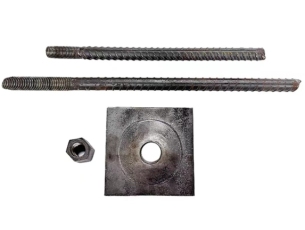
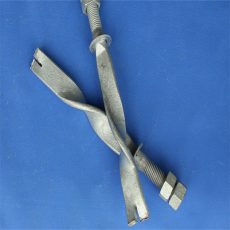
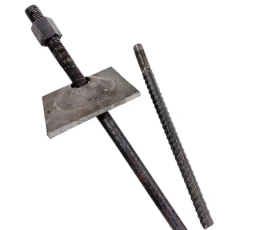
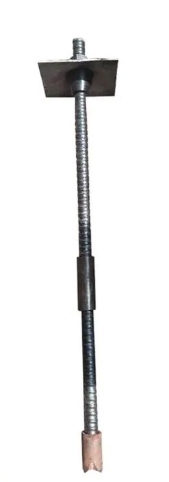
This product has multiple unique competitive advantages: first, it adopts a detachable anchorage structure, which can separate the rod body from the anchorage body after the project is completed. Second, it uses 304 stainless steel material, which has good corrosion resistance and can maintain good mechanical properties during the service period. Third, it is equipped with a special locking device, which can ensure that the anchorage strength meets the design requirements during the service period, and can be easily unlocked during recycling. Compared with traditional anti-floating anchors, it can reduce the later underground space transformation cost by more than 60%, which has good economic and environmental benefits.
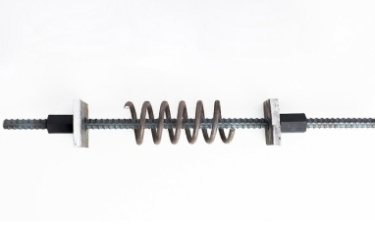
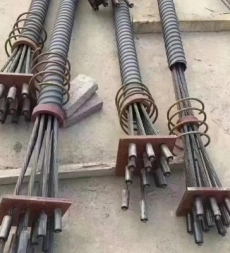
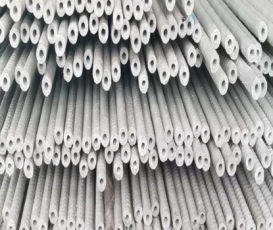
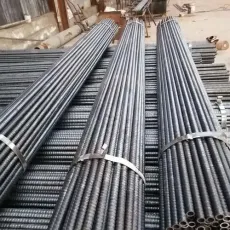
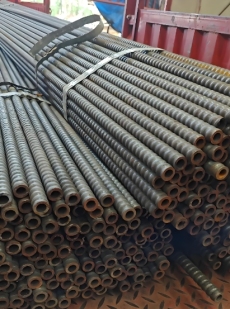
The rod diameter range of this removable anti-floating anchor is from φ36mm to φ70mm, and the standard single rod length is 8m (customizable to any length from 4m to 18m). The rated bearing capacity covers 150kN to 450kN, and the weight per linear meter ranges from 1.0kg/m (φ36) to 4.8kg/m (φ70). It uses M45-M85 specification connecting threads, which is suitable for standard drilling hole diameters from φ110mm to φ160mm. It complies with GB50202 Construction Acceptance Standard for Foundation Engineering and ASTM A955 stainless steel bar standard. The package is wooden pallet packaging, and each pallet can hold 15-30 anchors, which is convenient for long-distance transportation and on-site hoisting.
This product is suitable for urban core area underground engineering, including downtown commercial complex basements, subway station ancillary buildings, urban underground pipe gallery foundations, etc. It is suitable for geological conditions including general cohesive soil, silt, sand and medium weathered rock strata. The construction team needs special recycling tools to complete the recycling work, but the overall construction and recycling process is simple and efficient. It can be widely used in the infrastructure construction of urban core areas, where later underground space reconstruction and pipeline laying are required.







 Post RFQ


 Chat
Chat


 ALL CATEGORIES