





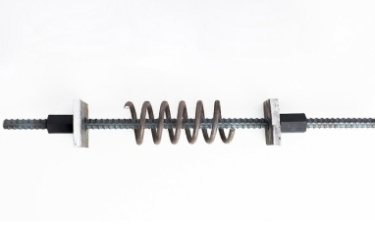
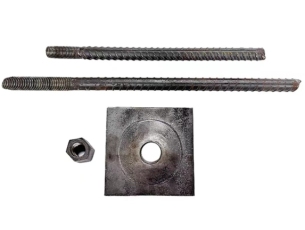
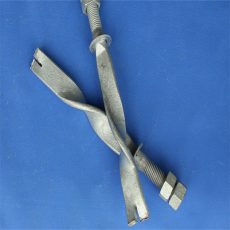
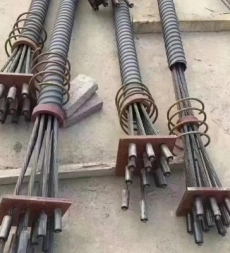
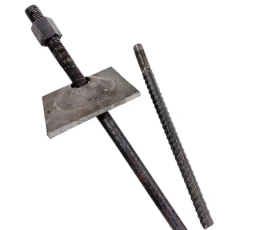
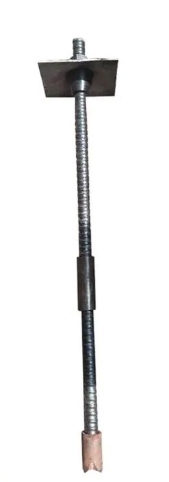
This product has multiple unique competitive advantages: first, it adopts Q355 low-alloy carbon steel material, which has both high tensile strength and good toughness, and can withstand repeated buoyancy load impacts without brittle failure. Second, it uses double anti-corrosion technology of hot-dip galvanizing + epoxy zinc-rich paint, which greatly improves the corrosion resistance in humid underground environments and avoids the decrease of bearing capacity caused by rod corrosion. Third, it is equipped with a special grouting anchor, which can ensure the tight combination of the rod and the grouting body and eliminate the risk of anchorage failure. Compared with the traditional concrete counterweight anti-floating scheme, it does not need to occupy extra underground space, reducing the amount of earthwork excavation and building material costs, and avoiding the problem of later cracking of concrete counterweight.
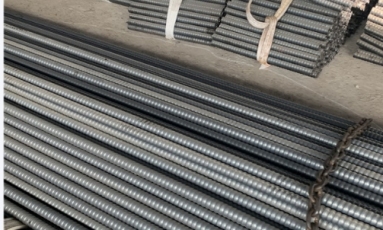
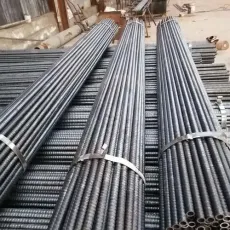
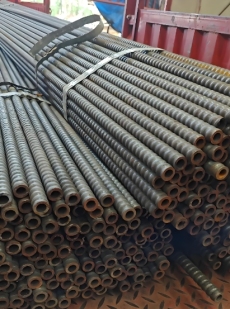
The rod diameter range of this anti-floating anchor is from φ32mm to φ80mm, and the standard single rod length is 6m (customizable to any length from 3m to 15m). The rated bearing capacity covers 100kN to 500kN, and the weight per linear meter ranges from 0.8kg/m (φ32) to 5.2kg/m (φ80). It uses M42-M80 specification connecting threads, which is suitable for standard drilling hole diameters from φ100mm to φ150mm. It complies with GB50007 Code for Design of Building Foundation and ASTM A615 steel bar standards. The package is wooden pallet packaging, and each pallet can hold 20-50 anchors, which is convenient for long-distance transportation and on-site hoisting.
This product is suitable for underground spaces such as urban underground garages, underground air defense works of residential quarters, small and medium-sized commercial complex basements, and municipal water supply and drainage pump rooms. It is suitable for geological conditions including general cohesive soil, silt, sand and weakly weathered rock strata. The construction team only needs conventional drilling and grouting equipment to complete the installation, without special skill training. It can be widely used in small and medium-sized underground projects in domestic third- and fourth-tier cities, as well as infrastructure construction projects in emerging markets such as Southeast Asia and Africa.







 Post RFQ


 Chat
Chat


 ALL CATEGORIES